
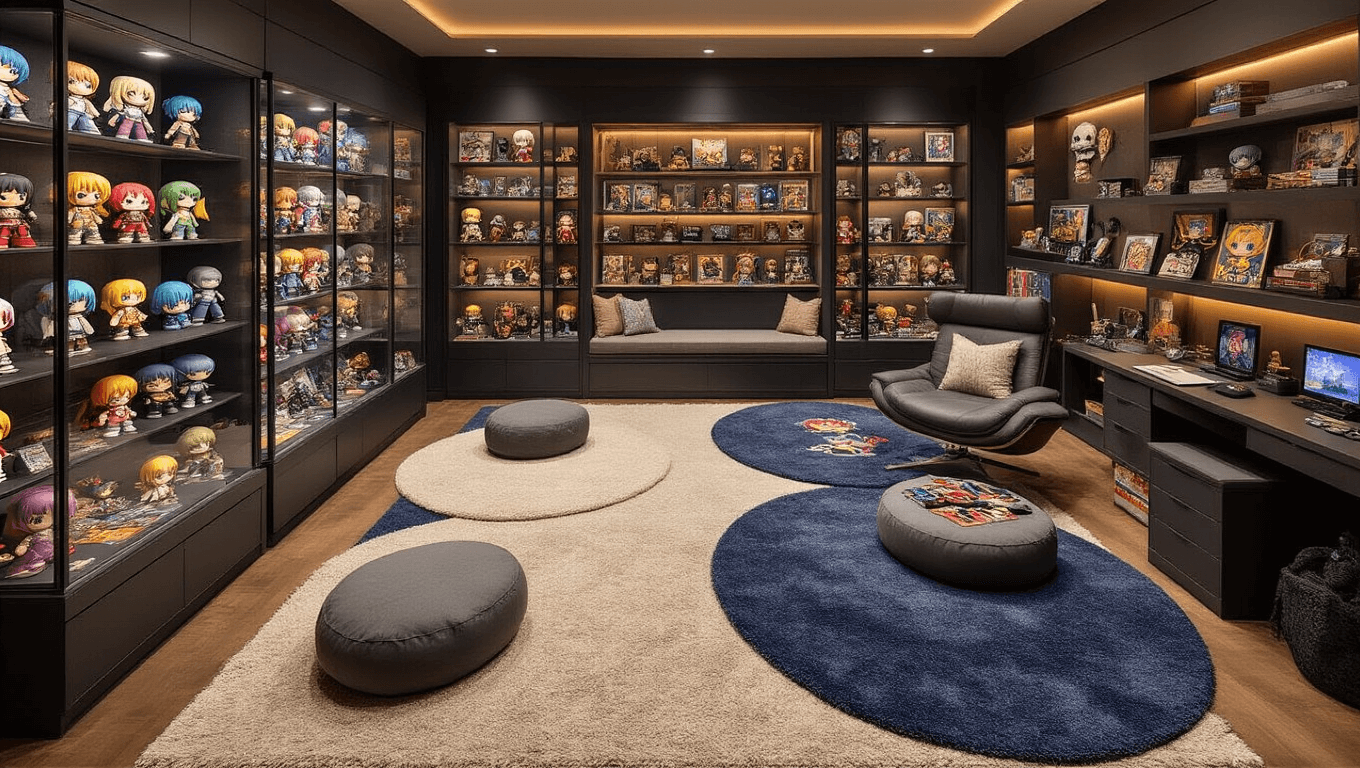
Using Rugs to Define Spaces in Your Fandom-Themed Rooms
Using rugs to define spaces transforms chaotic fandom collections into intentional, magazine-worthy displays that finally do your obsession justice.
You’ve got anime figures scattered across one corner, gaming consoles hogging another spot, and your comic book collection threatening to take over the entire room. Everything you love is crammed together in a visual mess that makes your eyes twitch every time you walk in.
I’ve been there. My Star Wars collection used to look like a toy store had a violent argument with a thrift shop. Then I discovered the magic of strategic rug placement, and suddenly my chaotic fandom cave became a space I actually wanted to show people.
Why Your Fandom Room Feels Like a Jumbled Mess
Most collectors make the same mistake. We focus on acquiring more stuff without creating intentional zones for displaying it.
Your brain craves organization even when your heart wants to impulse-buy that limited edition Funko Pop. Without visual boundaries, even the most expensive collectibles look like clutter rather than curated treasures.
Rugs create invisible walls without the commitment of paint or drywall. They whisper “this space has a purpose” without screaming “I’m trying too hard.”
The Ground Rules for Fandom Space Rugs
Before you throw any random area rug on your floor, let’s talk strategy.
Size matters more than you think:
- Coffee table zones need rugs where all front legs sit on the fabric
- Display shelving areas work best when the rug extends 18-24 inches beyond the furniture on all sides
- Gaming stations require enough rug real estate for your chair to roll without catching edges
Color psychology isn’t just marketing nonsense:
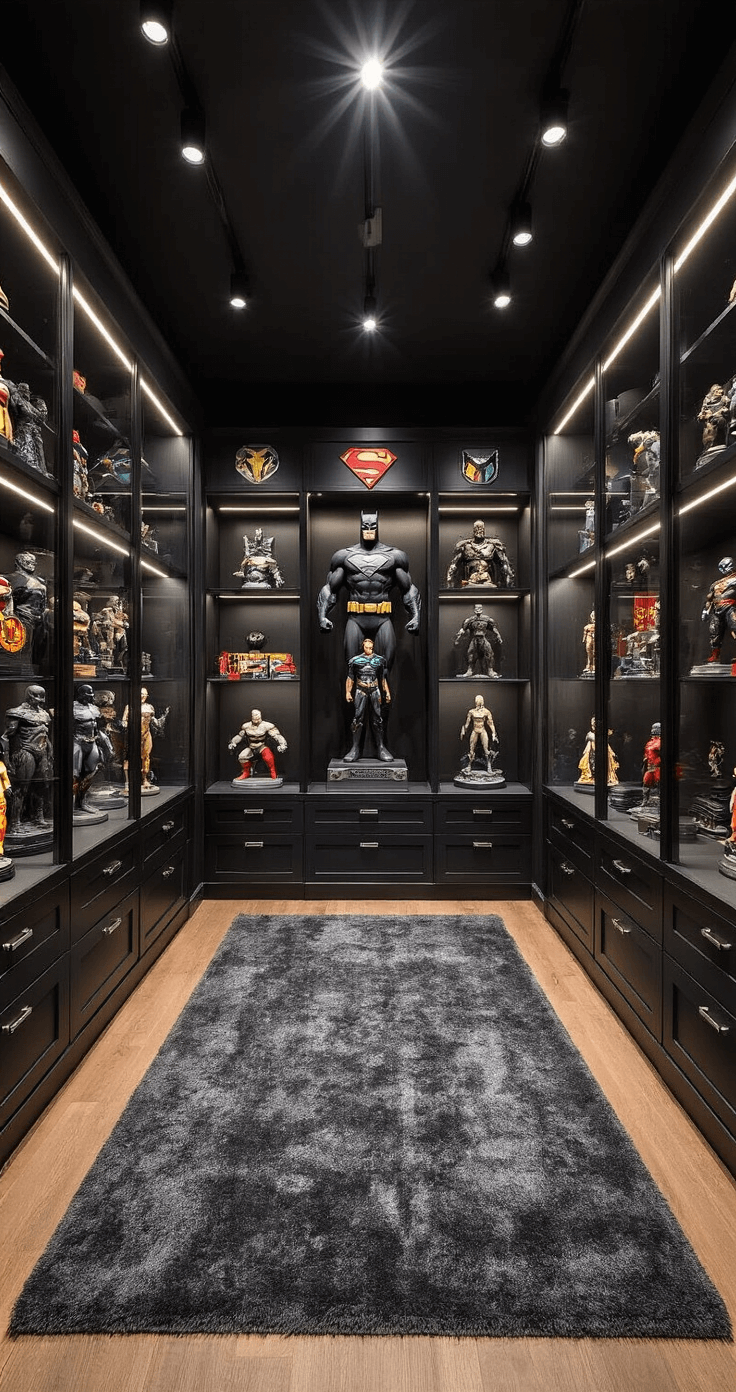
- Dark rugs ground heavy display cases and make collections pop
- Light rugs brighten basement fandom caves that already feel like dungeons
- Patterned rugs hide stains from late-night energy drink mishaps
I learned the stain thing the hard way when grape soda met my cream-colored rug during a Marvel movie marathon.
Creating Your Display Zone Like a Museum Curator
Walk into your space with fresh eyes. Where do you naturally gravitate when showing friends your collection?
That’s your primary display zone.
Here’s my battle-tested approach:
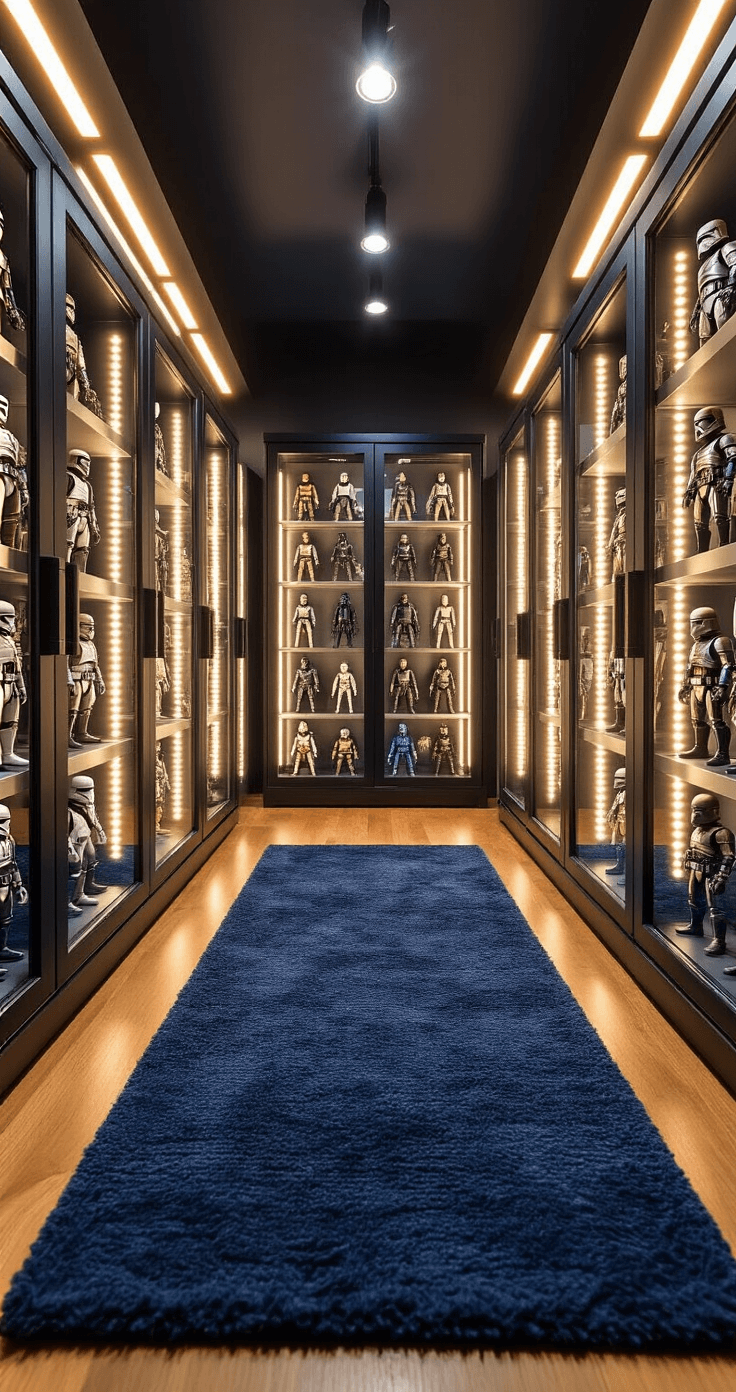
Drop a large rectangular rug in front of your main shelving unit or display case. The rug becomes a visual stage that says “look here first.”
I positioned a deep blue 8×10 rug in front of my IKEA Detolf cases filled with action figures. Suddenly those cases looked less like random storage and more like an intentional gallery.
The placement formula that actually works:
- Measure your display furniture length and width
- Add 2-3 feet to each dimension
- That’s your minimum rug size for impact
Going too small makes everything look cheap and disconnected. Your limited edition statues deserve better than sitting on a bathroom mat-sized rug.
Zoning Your Multi-Fandom Chaos
Most of us aren’t devoted to just one franchise. Your room probably looks like Comic-Con exploded across multiple interests.
Use separate rugs to create distinct fandom neighborhoods:
Save this article
Enter your email and we'll send it straight to your inbox.
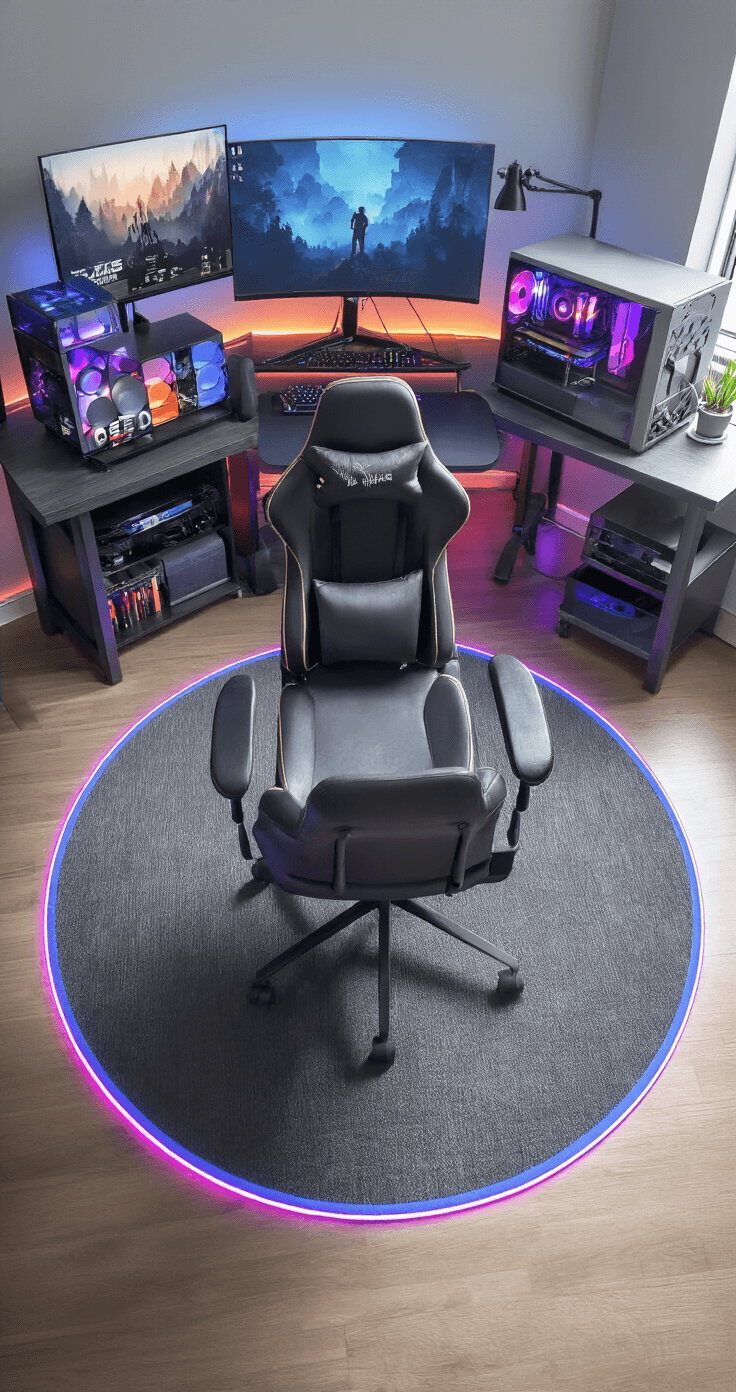
My gaming corner got a round gaming chair mat that protected the floor while visually separating my console setup from everything else.
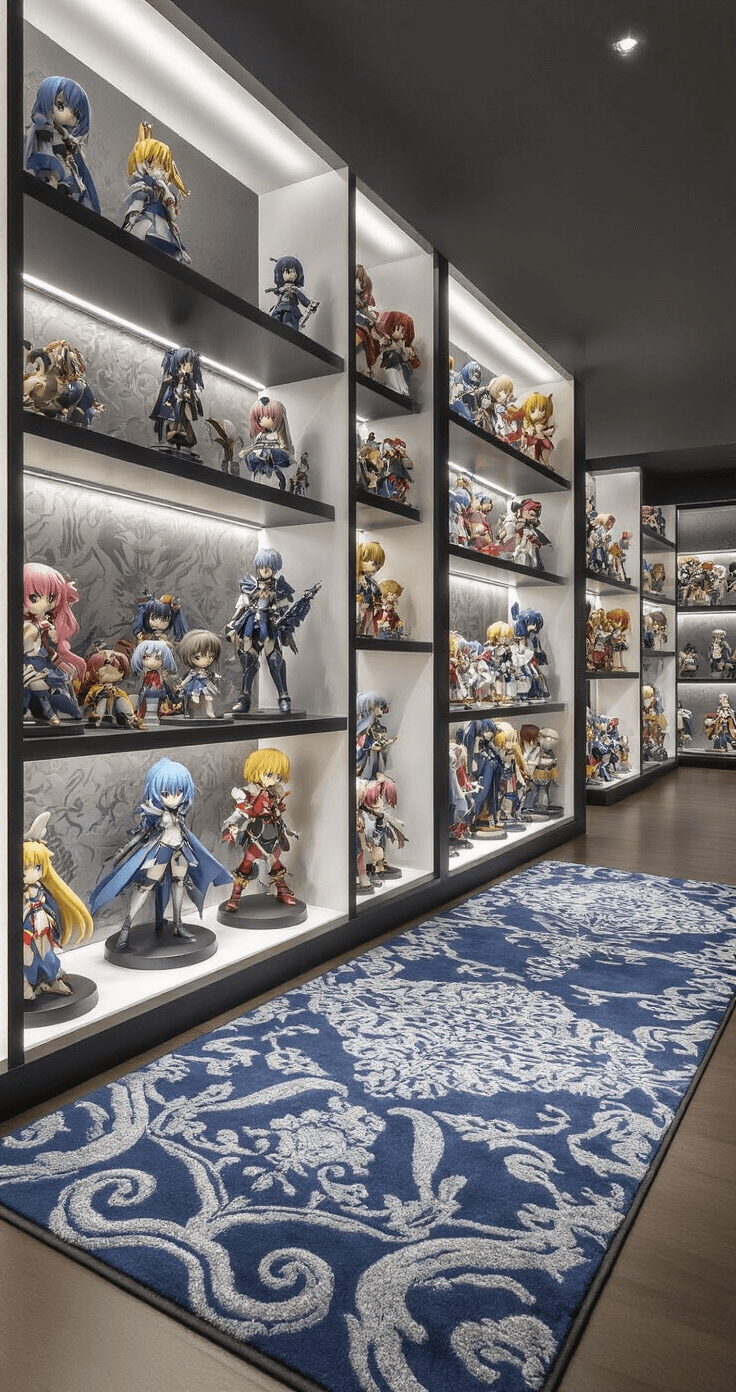
The anime figure display sat on a completely different rug with Japanese-inspired patterns. My comic book reading nook? Another rug entirely.
Three different rugs, three clear purposes, one cohesive room.
The key is coordinating without matching. Pick rugs that share one element—similar colors, complementary patterns, or the same material texture.
Patterns That Work With Visual Chaos
Your collections are already busy. Shelves packed with colorful boxes, figures, posters, and memorabilia create visual noise.
Strategic pattern choices:
- Solid colors calm overwhelming spaces
- Geometric patterns add interest without competing with collections
- Subtle textures provide depth while keeping focus on your stuff
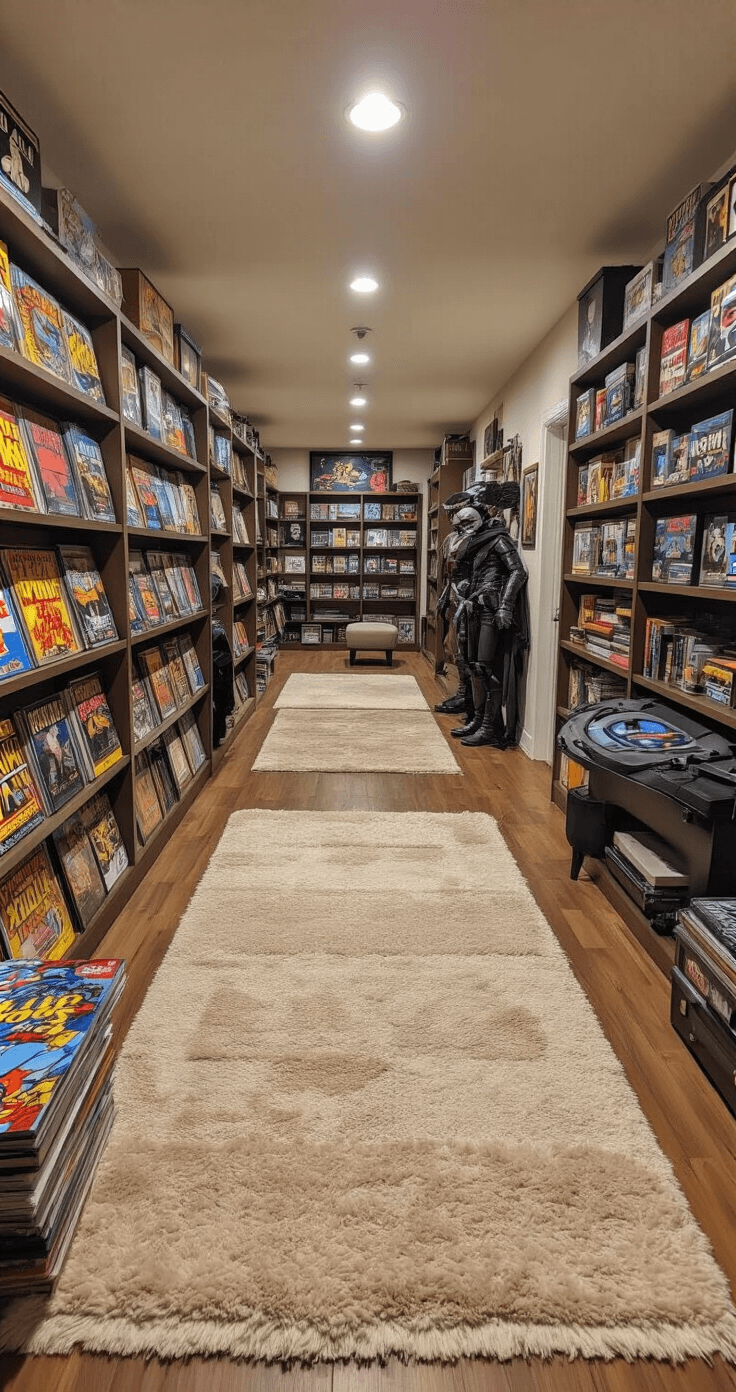
I made the rookie mistake of buying a rug with elaborate designs that fought with my display shelves for attention. Every time I looked at that corner, my brain couldn’t decide where to focus.
Swapped it for a solid charcoal grey textured rug, and everything clicked into place. The collections became the stars, the rug played a supporting role.
The Reading and Gaming Comfort Zone
Fandom spaces aren’t just for looking. You need comfortable spots for actual enjoyment.
Create a cozy consumption corner:
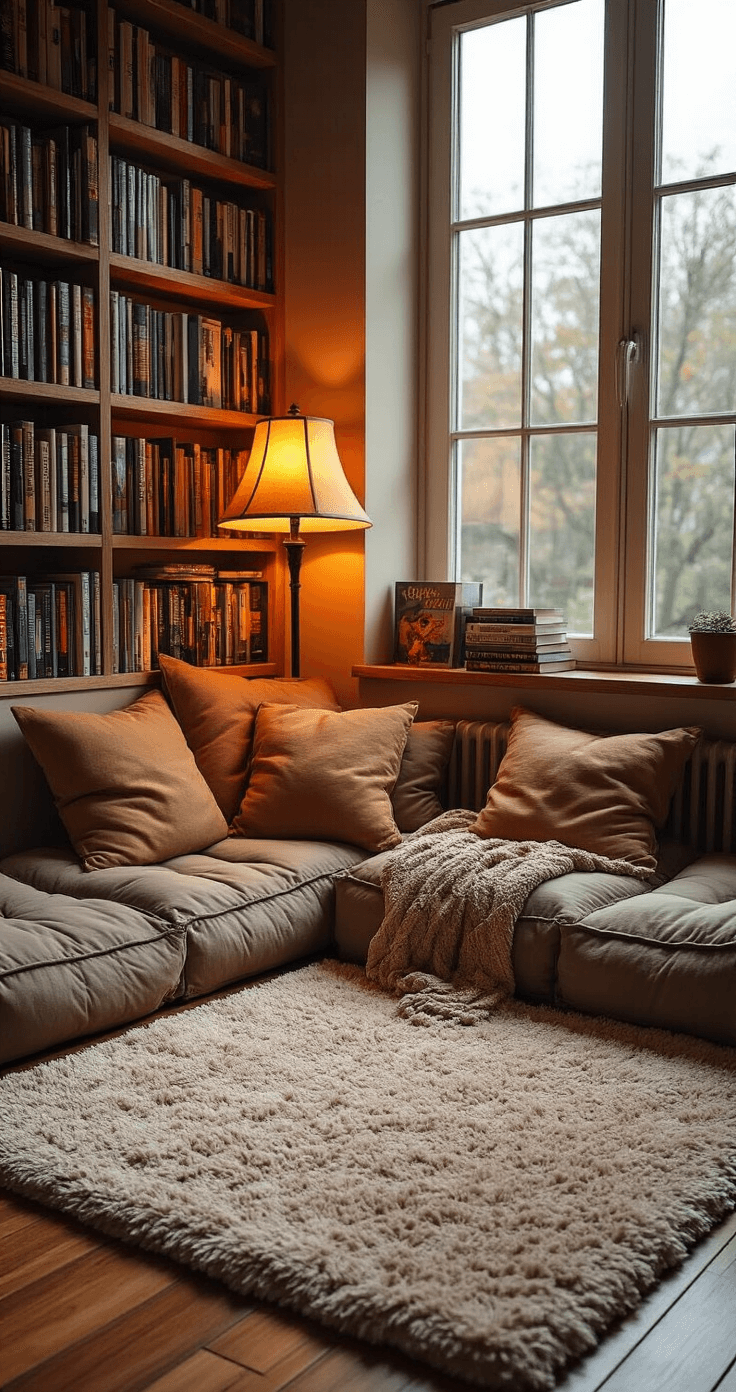
Position a plush area rug where you’ll actually sit to read comics, play games, or watch your favorite series.
Soft, thick rugs signal “this is where comfort happens.” Your body understands the assignment before your brain catches up.
I built my reading corner with a memory foam rug under a floor cushion setup. That rug defined the space so clearly that guests naturally gravitated there without instruction.
Placement tips for activity zones:
- Gaming areas need rugs that can handle chair movement without bunching
- Reading nooks work better with high-pile rugs that feel luxurious underfoot
- Standing display areas where you’ll spend time organizing need cushioned support for your back
Budget-Friendly Rug Strategies That Don’t Look Cheap
You’ve already spent your paycheck on collectibles. I get it.
Smart shopping approaches:
-
<
Want to keep this one?
We'll email you the link so you can find it again later.