
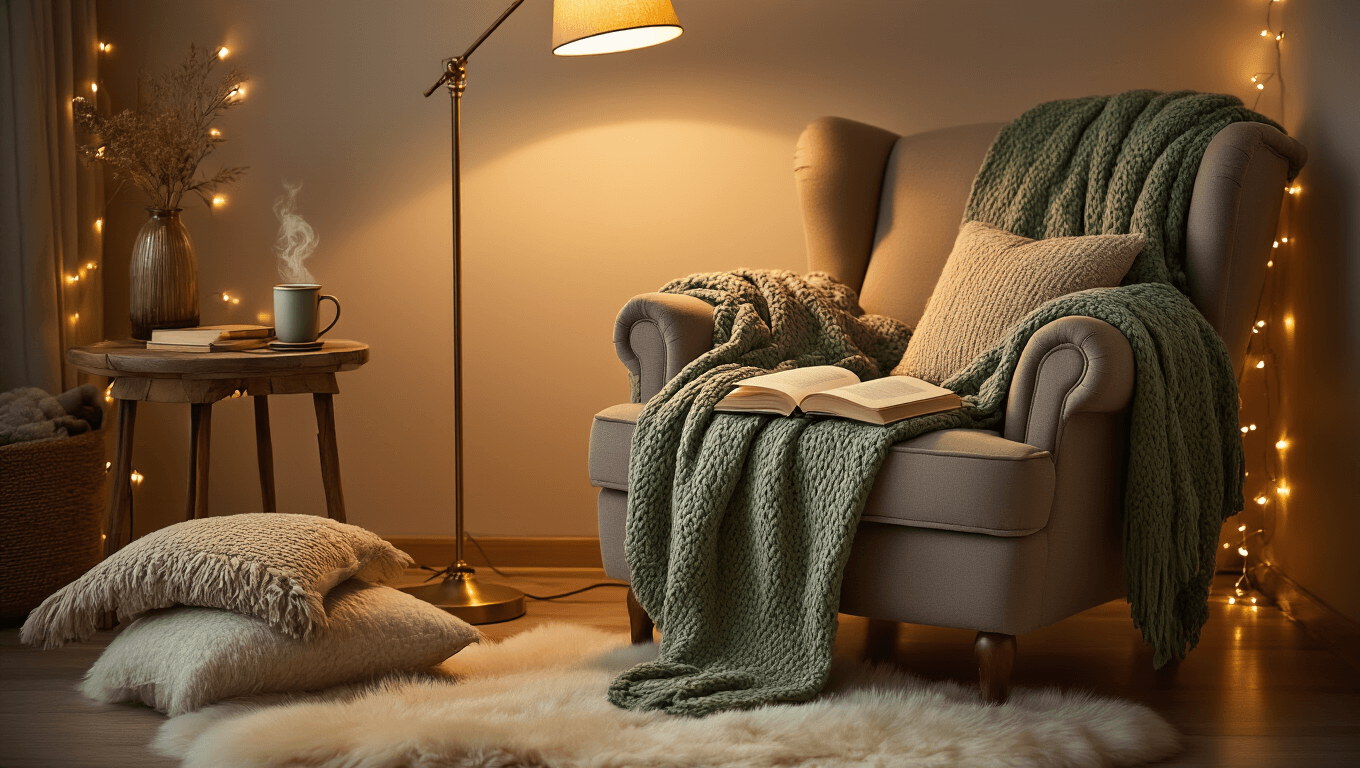
How to Create a Cozy Reading Corner That’ll Make You Actually Want to Read
Creating a cozy reading corner starts with understanding what you really need: comfort, good light, and a space that whispers “stay awhile.”
I’ve watched too many people throw a chair in the corner and call it a reading nook. That’s not how this works.
Your reading corner should pull you in like a warm hug after a long day. It should make you want to cancel plans and disappear into a book.
Let me show you exactly how to build one that actually works.
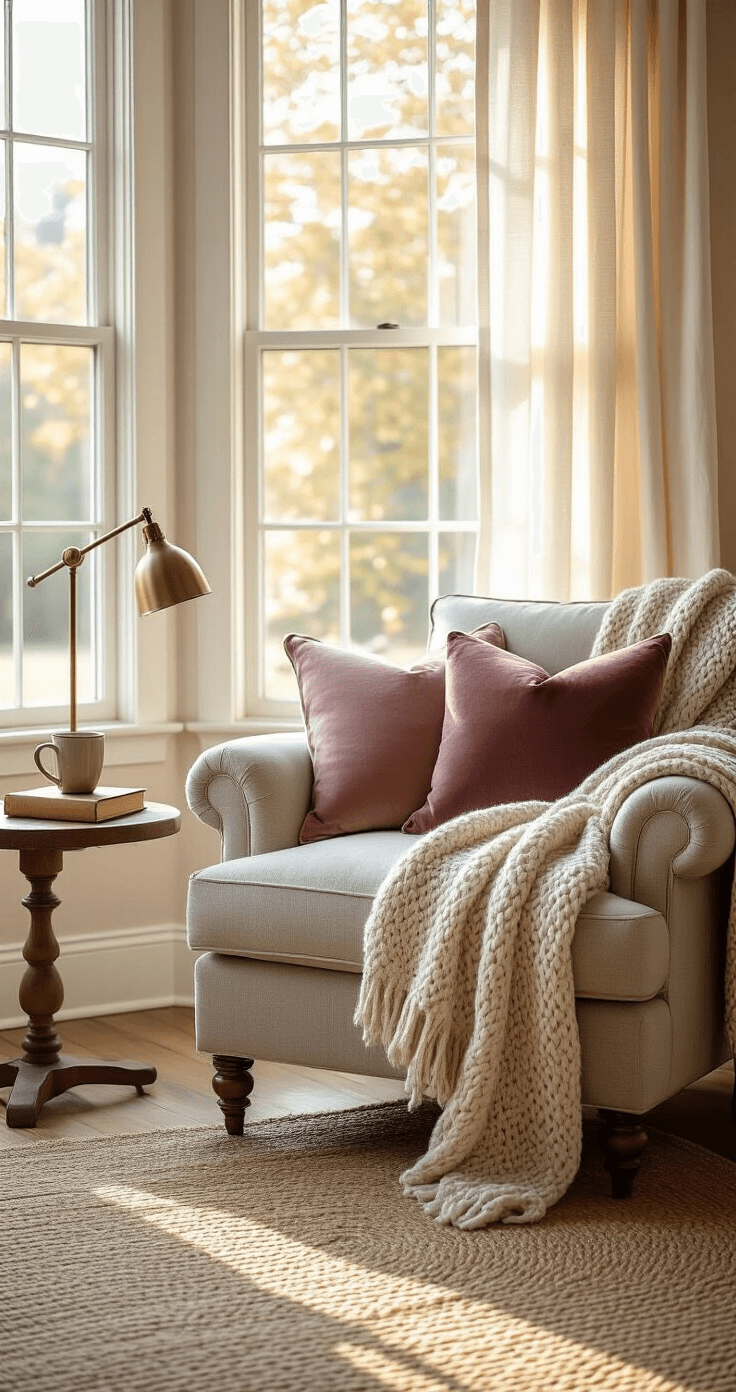
Why Most Reading Corners Fail (And How Yours Won’t)
Here’s the thing nobody tells you: most reading nooks are designed for Instagram, not for actual reading.
They look pretty but feel wrong. The lighting gives you a headache after twenty minutes. The chair looks gorgeous but murders your back. The space feels cold despite all those throw pillows.
I learned this the hard way when I created my first reading corner five years ago. Spent $200 on a beautiful chair that looked like it belonged in a magazine. Used it exactly three times before admitting it was a gorgeous torture device.
The real secret? Function first, beauty second. Though honestly, when you get the function right, the beauty follows naturally.
Start With the Seat (Because Everything Else Is Pointless Without It)
Your reading chair is everything. Seriously.
I don’t care if you find the perfect lamp or the coziest blanket—if your seat sucks, your reading corner sucks.
What makes a great reading chair:
- Deep enough that you can curl up or stretch out
- Supportive back that doesn’t force perfect posture but doesn’t let you slouch into oblivion either
- Arms at the right height (test this by sitting with a book)
- Wide enough for you plus a blanket or two
- Fabric that feels good against your skin
I’m currently using an oversized reading chair that’s basically a cloud with structure. Cost me more than I planned to spend, but I’ve read 47 books in it this year alone.
Budget-friendly alternatives that actually work:
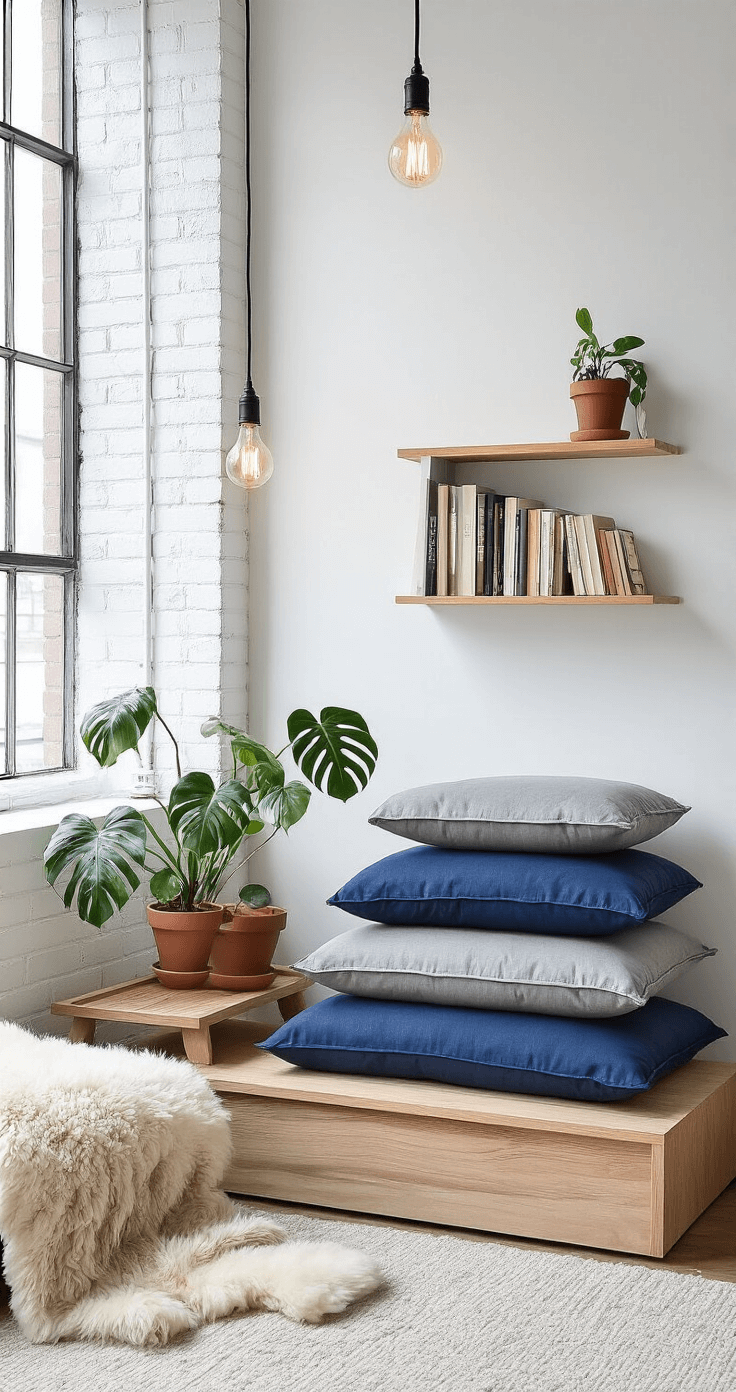
- Floor cushions layered two or three deep (I did this in my apartment and loved it)
- A cushioned window seat if you’ve got the right window
- Large floor poufs stuffed properly—not those sad, half-filled ones
- Rocking chairs with thick cushions (underrated for reading)
Test before you commit. Sit in it. Hold a book. Stay there for fifteen minutes.
If anything feels off, keep looking.
Lighting: The Make-or-Break Element Nobody Gets Right
Bad lighting ruins reading faster than anything else.
Your eyes get tired. Your head starts hurting. Twenty pages in, you’re done—not because the book is boring, but because your lighting is trash.
Here’s what you need to know:
Natural light is beautiful but unreliable. You can’t control it, and it disappears when you actually have time to read (hello, nighttime).
Save this article
Enter your email and we'll send it straight to your inbox.
The lighting formula that works:
- One adjustable floor lamp positioned behind and slightly to the side
- Warm bulbs (2700K-3000K)—none of that harsh white light
- High enough brightness that you’re not squinting (at least 450 lumens for reading)
- Light falling on your book, not in your eyes
Position matters more than most people think.
If you’re right-handed, put your lamp on the left side. Left-handed? Lamp goes right. This prevents your hand from casting shadows while you turn pages or hold your book.
I added a dimmer switch to my setup, and it changed everything. Some books need bright, focused light. Others feel better with softer ambiance.
Bonus layer:
String up some warm fairy lights around your nook. They’re not for reading—they’re for atmosphere. Turn them on before your main lamp, and your corner instantly feels like a separate little world.

Create the Cozy Factor (Textures, Textures, Textures)
A reading corner without soft things is just a chair with a lamp.
You need layers.
The texture checklist:
- A proper throw blanket (not decorative—actually warm and soft)
- At least two cushions that support different reading positions
- A rug underneath everything to define the space and add warmth
- Something for your feet (ottoman, pouf, or just a folded blanket)
I rotate my blankets seasonally because I’m extra like that. Lightweight cotton throws for summer. Heavy knit blankets for winter. The medium-weight fleece throw blankets work year-round and wash like a dream.
My personal setup:
One chunky knit blanket draped over the chair arm. Two velvet cushions (one for lumbar support, one for hugging—don’t judge). A sheepskin rug under my feet. A small ottoman I can pull closer or push away depending on my mood.
Every texture serves a purpose, but together they create that “sink in and stay forever” feeling.
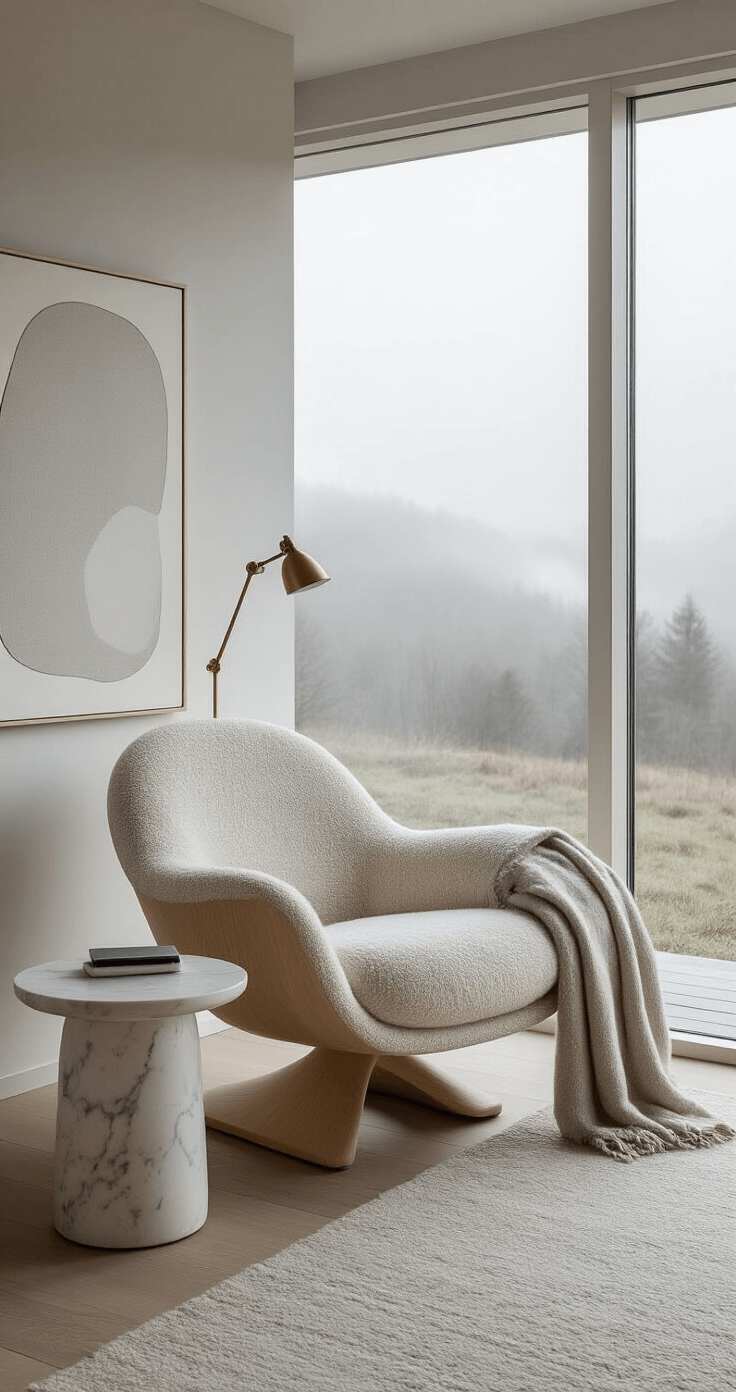
The Side Table You’re Definitely Going To Need
You will want somewhere to put things.
Your coffee. Your tea. Your water bottle when you remember you should hydrate. The book you just finished before you start the next one. Your phone (on silent, obviously). A candle. Reading glasses. Bookmarks. That snack you swore you wouldn’t eat.
What works:
- Small tables that fit next to your chair without
Want to keep this one?
We'll email you the link so you can find it again later.