

Using fabric for themed walls revolutionizes how you approach room design, letting you create stunning visual statements without the permanence of paint or the expense of custom wallpaper.
I’ll be honest with you—when I first considered fabric walls for my bedroom makeover, I thought it sounded complicated and messy.
Turns out, I was completely wrong.
Why Fabric Walls Beat Traditional Options
You’re probably wondering if fabric walls are worth the effort compared to slapping on another coat of paint.
Here’s what sold me:
Texture changes everything.
Paint gives you color, but fabric gives you dimension, warmth, and a tactile quality that makes rooms feel instantly more sophisticated.
Easy reversal.
Hate what you picked? Fabric comes down without the nightmare of scraping wallpaper or repainting over dark colors.
Budget flexibility.
You can start small with framed panels or go all-in with wall-to-wall coverage, depending on what your wallet can handle this month.
Sound dampening.
Nobody talks about this enough, but fabric actually absorbs sound, making spaces quieter and more peaceful.
Choosing Your Fabric: What Actually Works
Not all fabrics belong on your walls.
I learned this the hard way when my first attempt with thin jersey fabric looked saggy and wrinkled within days.
The Winners:
Cotton and linen blends
These workhorses give you the best value for everyday spaces. They’re durable, breathable, and available in endless patterns. I used cotton duck fabric for my home office accent wall, and it still looks crisp two years later.
Velvet for drama
Want instant luxury? Velvet upholstery fabric brings depth and richness that photographs beautifully. The way it catches light throughout the day creates constantly shifting visual interest.
Wool for warmth
Perfect for bedrooms and reading nooks where cozy matters more than formal elegance.
Upholstery-grade anything
If the fabric can survive a couch, it’ll survive your wall. Look for tight weaves and durable construction.
The Losers:
- Thin jersey knits (they stretch and sag)
- Delicate silks unless framed behind glass
- Anything that requires dry cleaning only
- Stretchy fabrics without backing
Theme Ideas That Actually Look Good
Forget the Pinterest fantasies that only work in million-dollar lofts.
These themes translate to real homes:
Save this article
Enter your email and we'll send it straight to your inbox.
Bohemian Richness
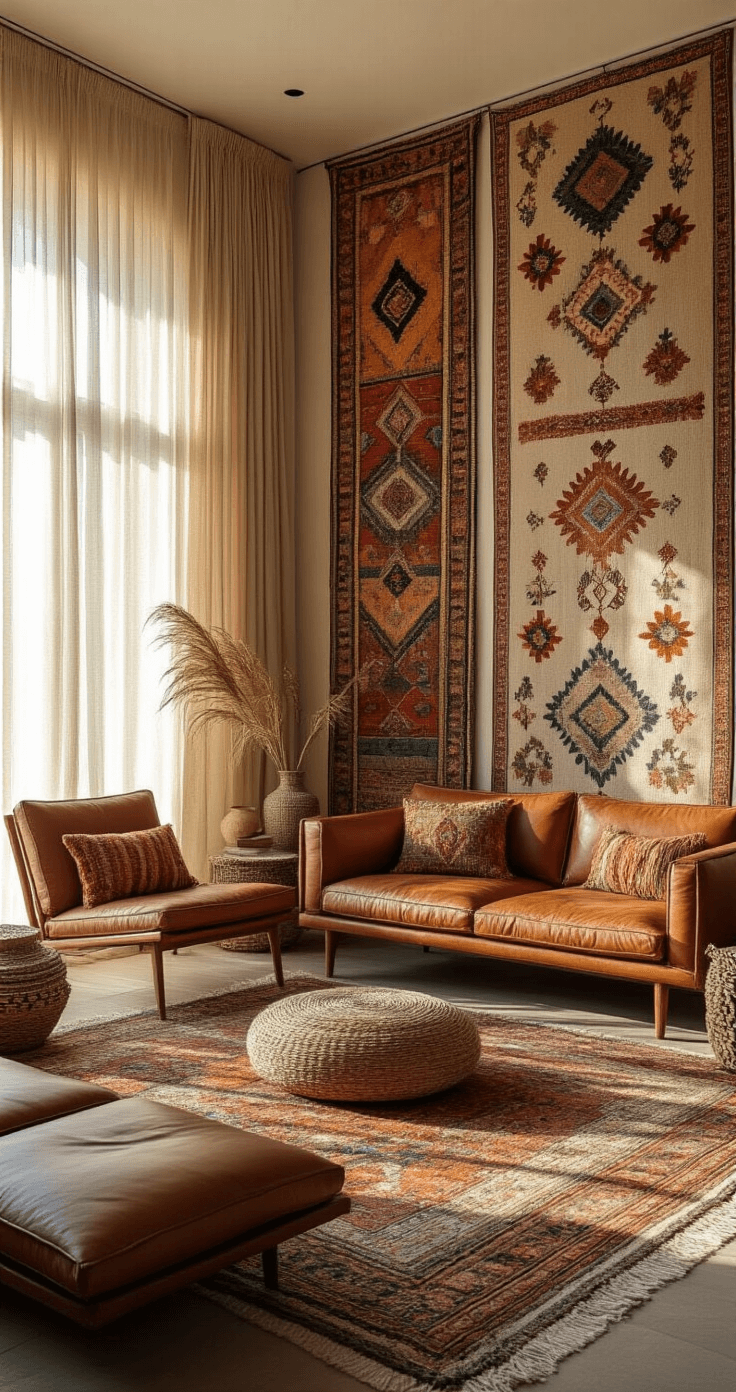
Layer different textile patterns using fabric wall tapestries in overlapping arrangements.
Mix ethnic prints, geometric patterns, and textured weaves.
The “more is more” approach works here—I covered an entire wall with mismatched fabric panels in my daughter’s room, and the chaotic beauty makes everyone smile.
Key elements:
- Warm earth tones mixed with jewel accents
- Macramé and woven textures
- Fringe, tassels, and dimensional details
- Global influences without cultural appropriation
Modern Minimalist
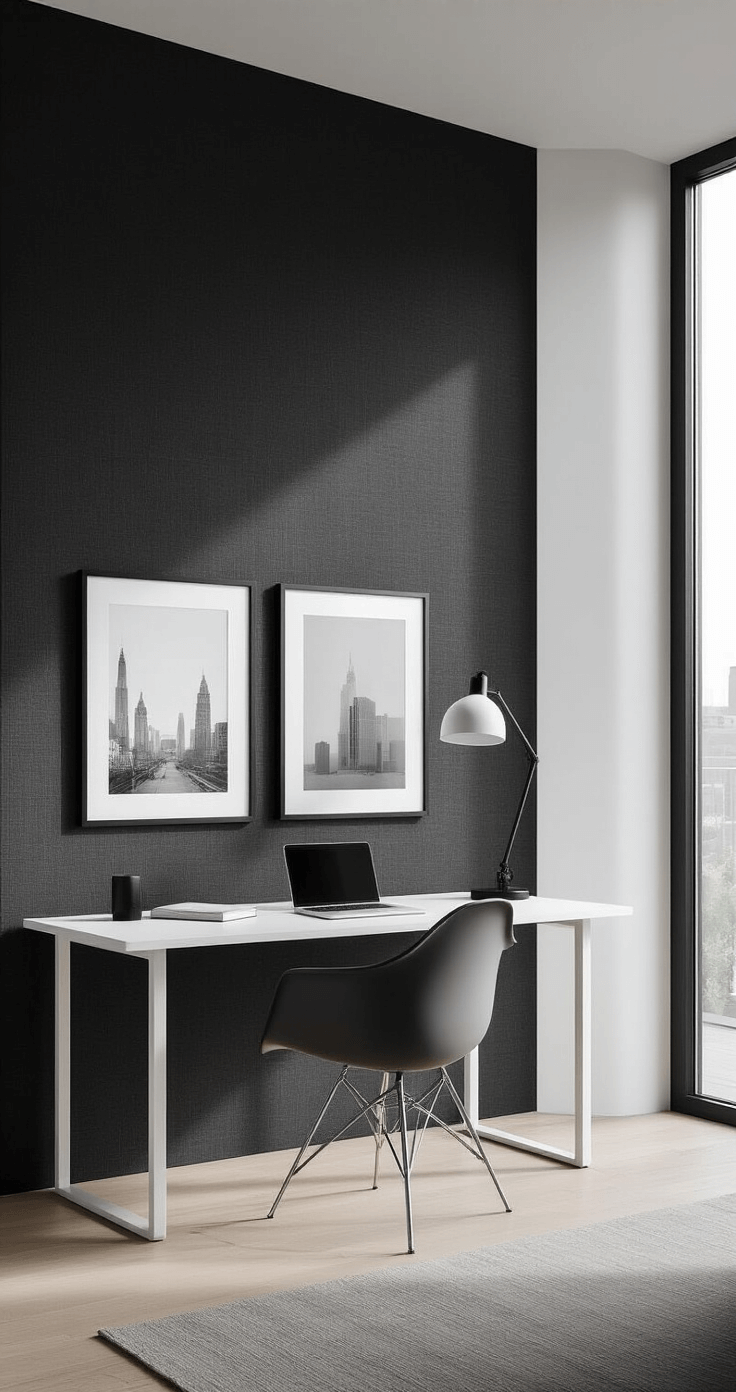
One large panel of solid-colored linen in a neutral tone creates sophisticated simplicity.
I installed a floor-to-ceiling charcoal linen panel behind my bed, and guests constantly ask if it’s custom millwork.
Key elements:
- Monochromatic color schemes
- Clean edges and precise installation
- Matte finishes over shine
- Quality over pattern
Royal Drama
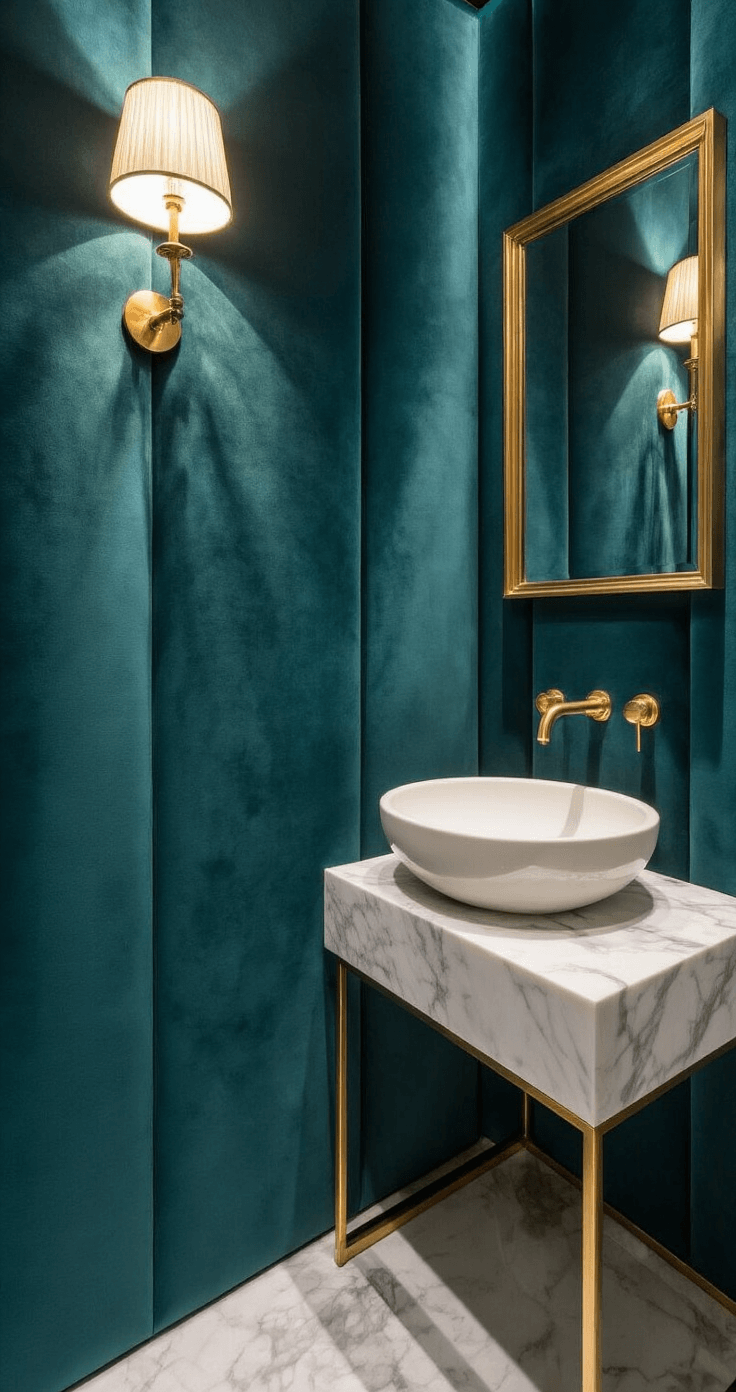
Deep jewel-toned velvets in emerald, sapphire, or burgundy transform ordinary rooms into spaces that feel expensive.
This works surprisingly well in small spaces—my powder room features a single wall of deep teal velvet that makes the tiny space feel intentional rather than cramped.
Key elements:
- Rich, saturated colors
- Luxurious textures
- Gold or brass accent hardware
- Confident color choices
Nature-Inspired Serenity
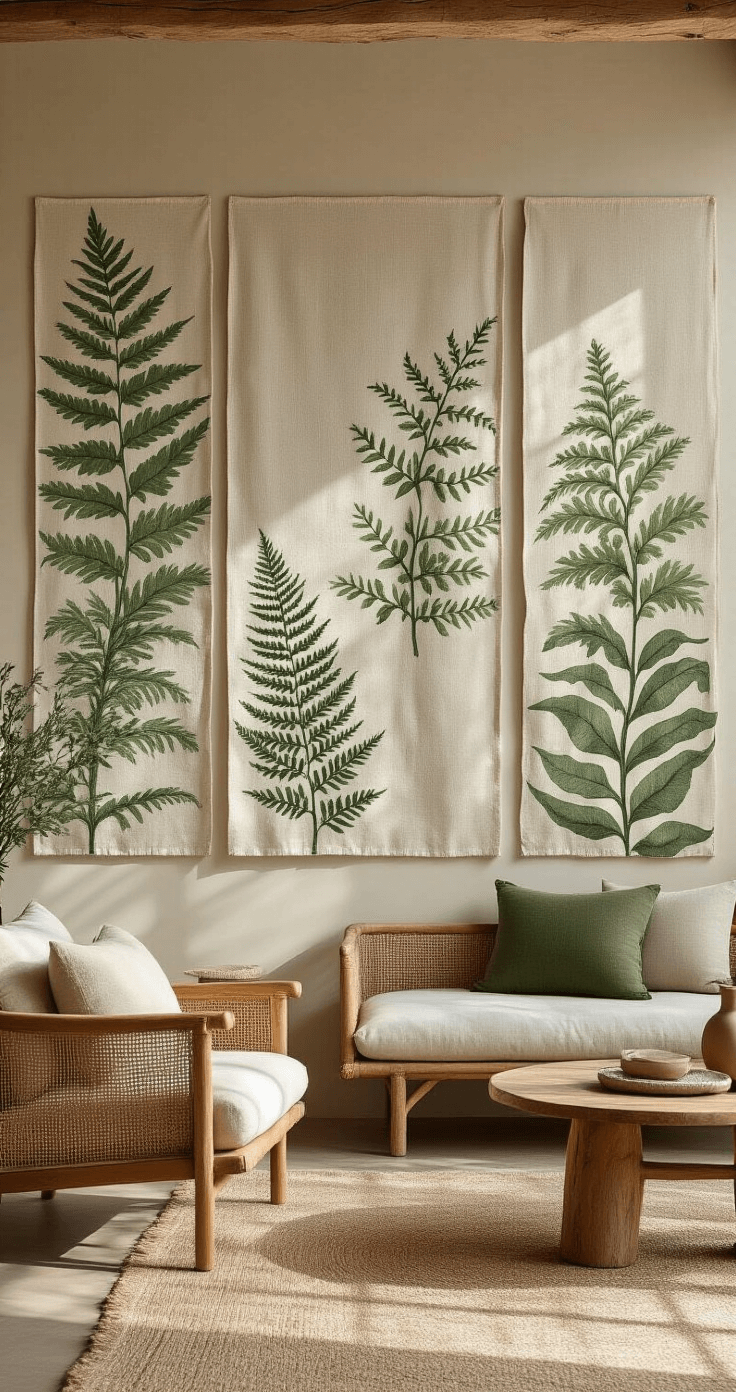
Botanical prints on linen or cotton bring the outdoors inside without literal leaf wallpaper.
I framed six matching fabric panels with oversized fern patterns for my living room, creating gallery wall impact at a fraction of the cost of actual art.
Key elements:
- Organic patterns—florals, leaves, branches
- Natural fiber fabrics
- Green, blue, and earth-tone palettes
- Imperfect, hand-drawn aesthetics
Vintage Textile Collection
This approach turns inherited fabrics, vintage scarves, or flea market finds into legitimate art.
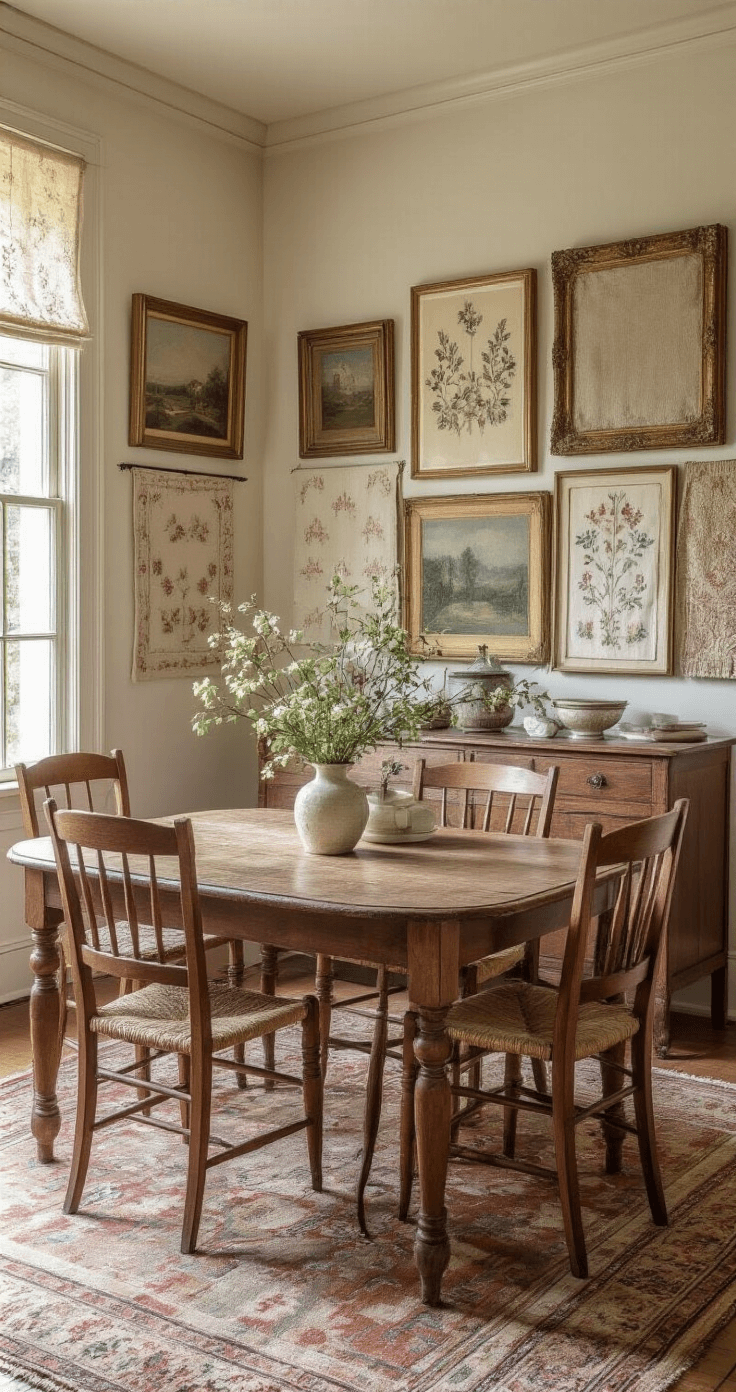
My grandmother’s embroidered linens now hang in my dining room, preserving family history while solving my “what goes on this wall” problem.
Key elements:
- Mismatched but coordinated pieces
- Visible age and patina
- Personal history and stories
- Framed presentation
Installation Methods: From Easiest to Most Committed
Start simple, especially for your first project.
Level 1: Framed Panels (Easiest)
Buy fabric stretcher frames or canvas stretcher bars.
Stretch your fabric over them like you’re wrapping a present, staple the back, and hang like regular art.
Time investment: 30 minutes per panel
Commitment level: None—take them down whenever
Best for: Renters, commitment-phobes, pattern testing
Want to keep this one?
We'll email you the link so you can find it again later.