Costume Drawings: Your Ultimate Guide to Theatrical Fashion Sketches and Design
Costume drawings have been my go-to inspiration whenever I need to understand how fashion and theatrical design come together.
I remember the first time I stumbled across a collection of old costume sketches at a local theater production. The detail, the colors, the way each sketch told a story before the actor even stepped on stage—it was like discovering a hidden treasure chest of fashion history.
And honestly, if you’re into fashion design, historical clothing, or just love seeing how costumes are brought to life, then costume drawings are something you absolutely need to explore.
What Exactly Are Costume Drawings?
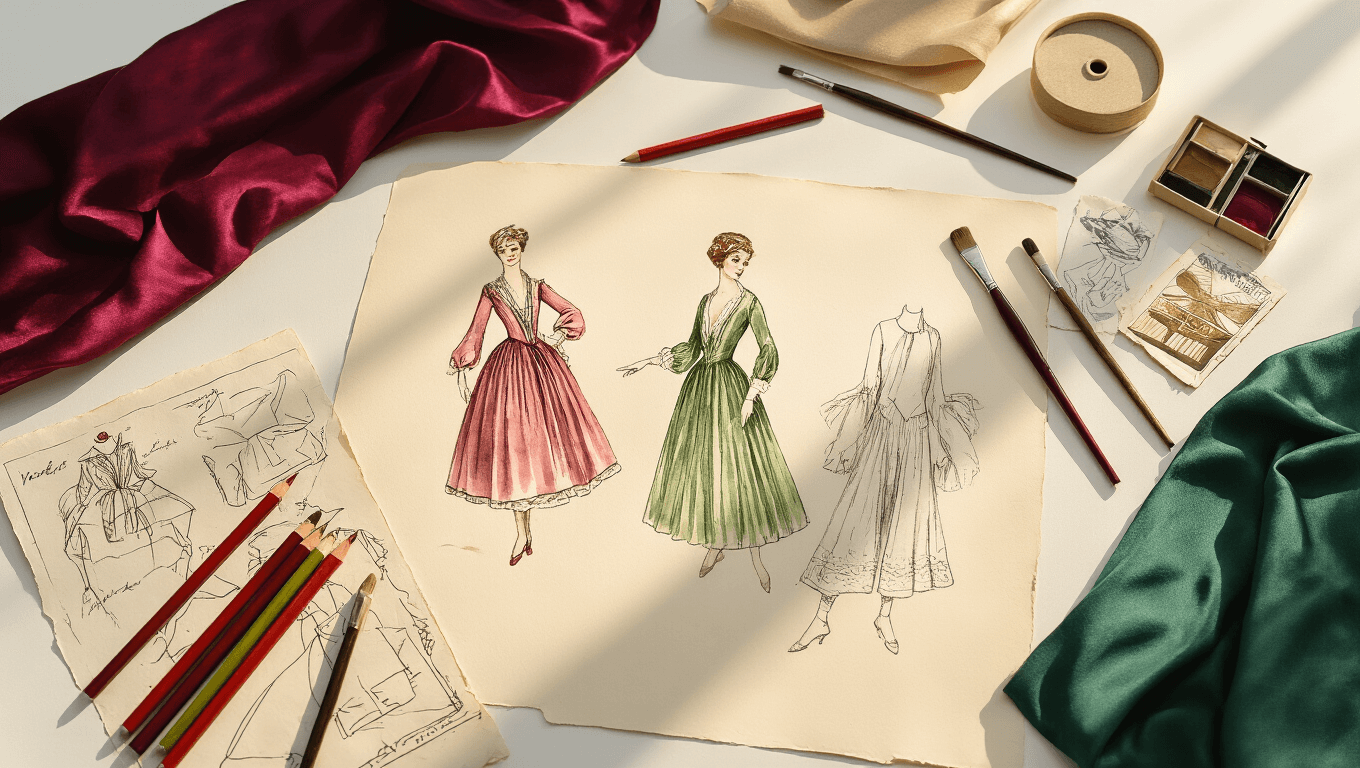
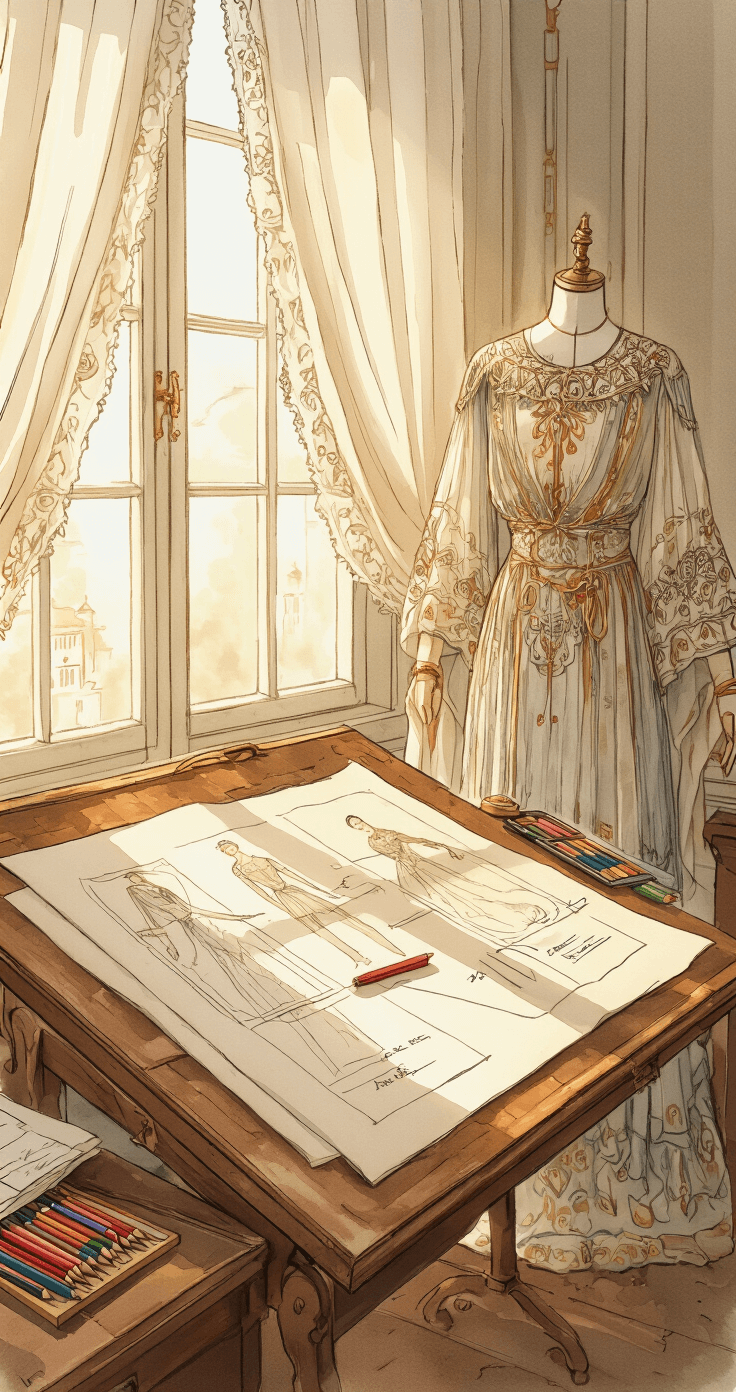
Let me break it down real quick. Costume drawings are basically illustrations and sketches that show what theatrical and historical costumes look like before they’re actually made.
These aren’t just random doodles—they’re detailed, purposeful designs created for stage productions, ballets, operas, and even film. Think of them as blueprints for fashion.
Each drawing captures the fabric, the colors, the accessories, and sometimes even the mood of the character wearing it. They document fashion design, theatrical production, and artistic practice that goes back centuries.
And the best part? They’re not just stuck in dusty museums anymore. You can find them online, in books, and even use them as inspiration for your own wardrobe or creative projects.
Why Costume Drawings Matter (More Than You Think)
I’ll be honest—I didn’t realize how important costume drawings were until I started digging into fashion history. These sketches aren’t just pretty pictures. They’re historical artifacts that show us what people wore, how they moved, and what was considered beautiful or dramatic in different time periods.
Here’s why they’re so important:
- They capture fashion trends from centuries ago
- They show how designers planned and visualized clothing before construction
- They reveal the artistic process behind theatrical productions
- They document cultural and social history through clothing
- They inspire modern fashion designers and costume creators today
If you’re someone who loves vintage fashion or wants to understand how clothing design evolved, costume drawings are like a direct line to the past.
The History Behind Costume Drawings (It’s Pretty Cool)
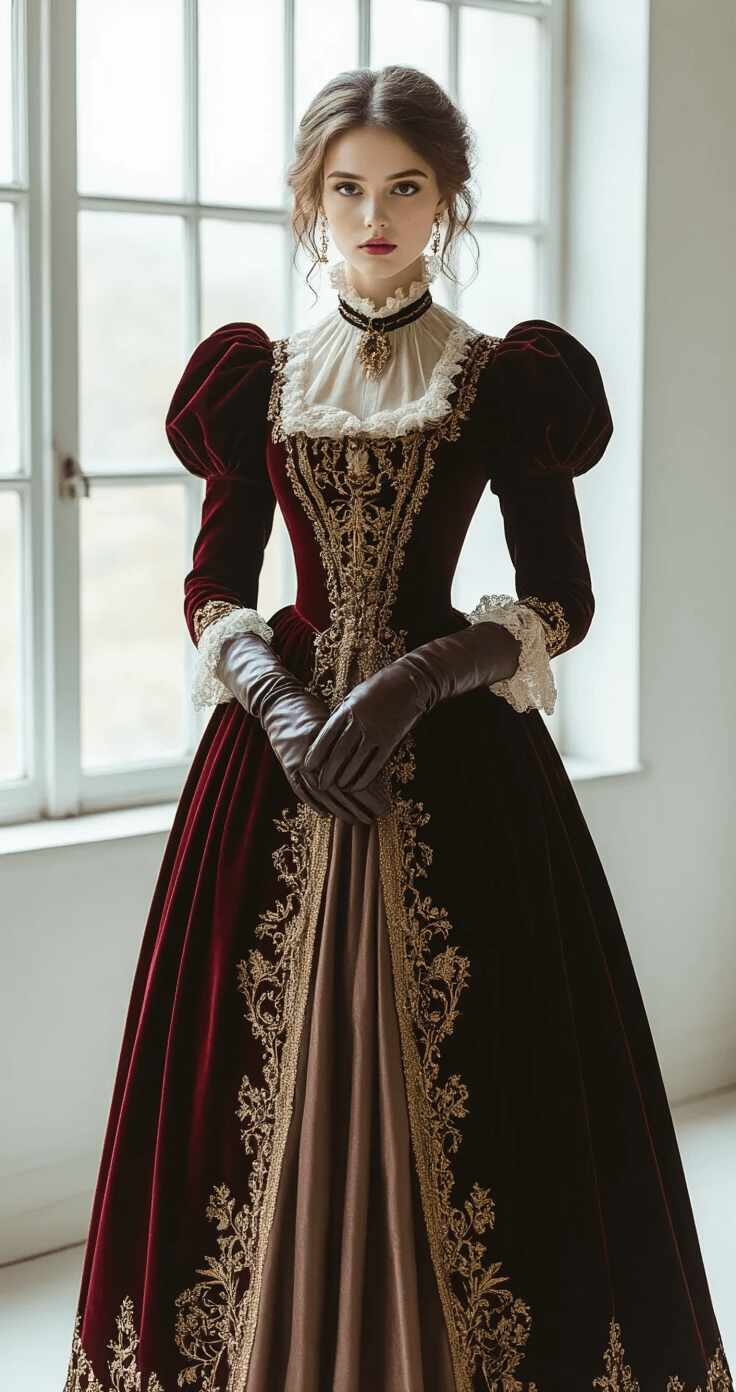
Let me take you back a few hundred years. Costume drawings have been around since at least the 16th century, maybe even earlier. Artists and designers used them to plan elaborate costumes for royal courts, theater productions, and grand operas.
One of the most famous collections is housed at the Edmond de Rothschild collection, which includes costume design drawings from the 16th through 18th centuries. These sketches feature works by artists like Jean Bérain, who lived from 1640 to 1711 and was basically a rockstar designer of his time.
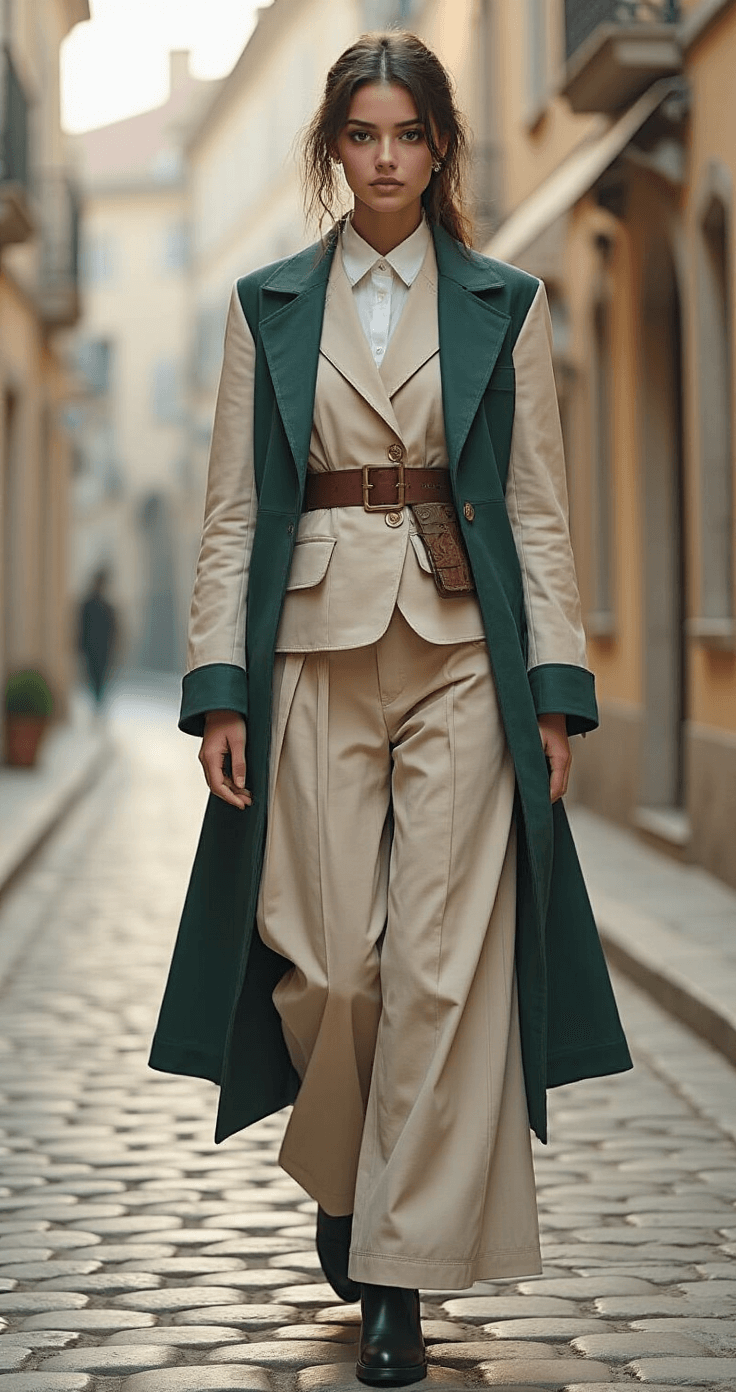
Fast forward to the 19th and early 20th centuries, and you’ll find the Paris Opera holding an incredible collection of costume drawings spanning from the 1800s to the 1920s. These weren’t just one designer’s work—they featured illustrations and designs from multiple artists and costume makers. Each sketch told a story, captured a moment, and helped bring characters to life on stage.
Where to Find Costume Drawings Today
Okay, so where do you actually find these amazing costume drawings? I’ve spent way too many hours searching online and visiting museums, so let me save you some time.
Here’s where you can explore costume drawings:
Save this article
Enter your email and we'll send it straight to your inbox.
Digital Archives
Most major cultural institutions have digitized their collections. You can browse thousands of costume drawings from the comfort of your couch. Places like the Metropolitan Museum of Art, the Victoria and Albert Museum, and the Library of Congress have entire sections dedicated to costume design sketches.
Stock Illustration Platforms
If you’re looking for modern costume design sketches or historical references for a project, stock illustration sites are goldmines. You can find both vintage reproductions and contemporary designs.
Museum Collections
If you’re lucky enough to visit a major city, check out museum collections in person. Seeing the actual paper, the brush strokes, and the aging of the materials adds a whole other level of appreciation.
Books and Reference Guides
There are some incredible books out there dedicated to costume history and design. I keep a costume design reference book on my shelf for whenever I need quick inspiration.
The Art and Technique Behind Costume Drawings
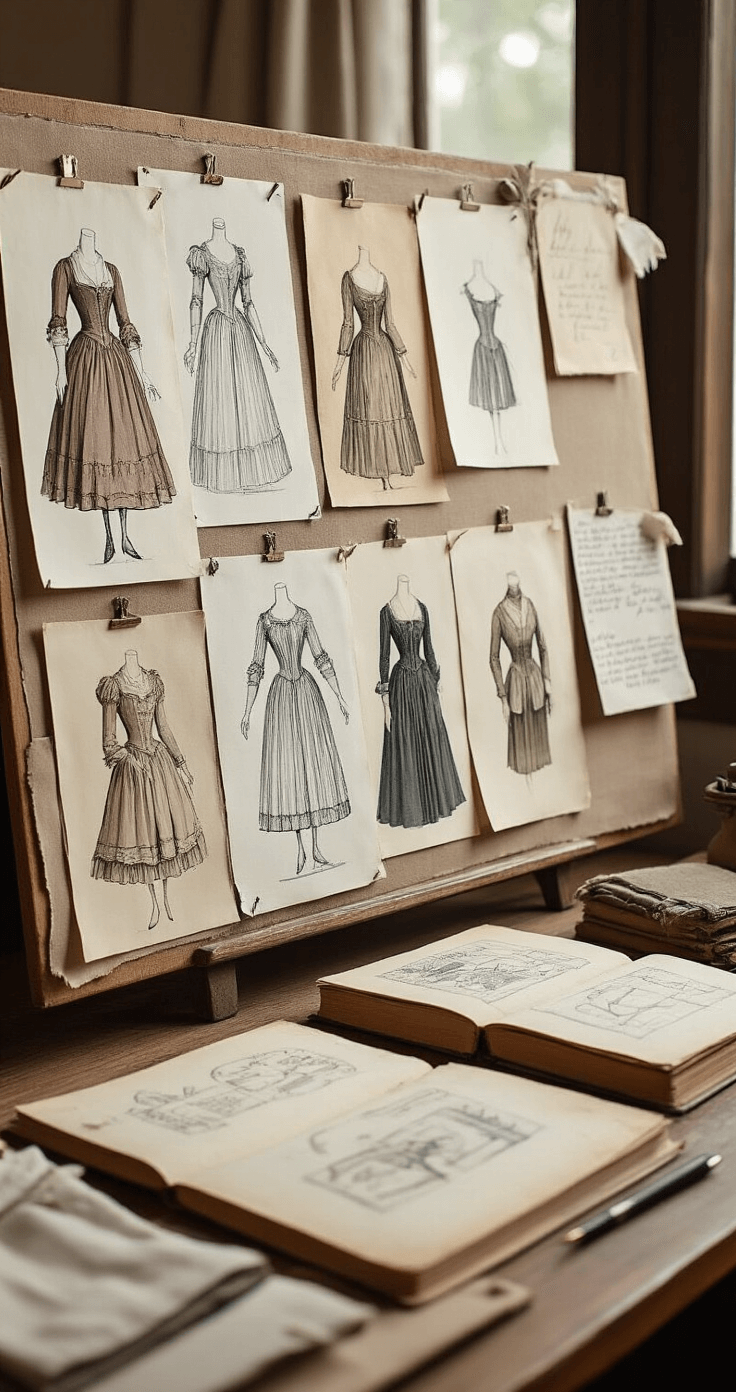
One thing that always amazes me is the variety of techniques used in costume drawings. Designers didn’t just stick to one method—they experimented with different materials and styles depending on what they were trying to communicate.
Common materials used included:
- Pen and ink
- Ink wash
- Watercolor
- Pencil
- Charcoal
- Gouache
- Sometimes even gold leaf for royal or elaborate designs
Most drawings were created on paper or cardboard, which is why preservation is so important. The colors fade, the paper yellows, but the artistry remains.
If you’re interested in trying your hand at costume drawing, grabbing a quality watercolor set and some good paper is a great starting point.
How Costume Drawings Were Used in Productions
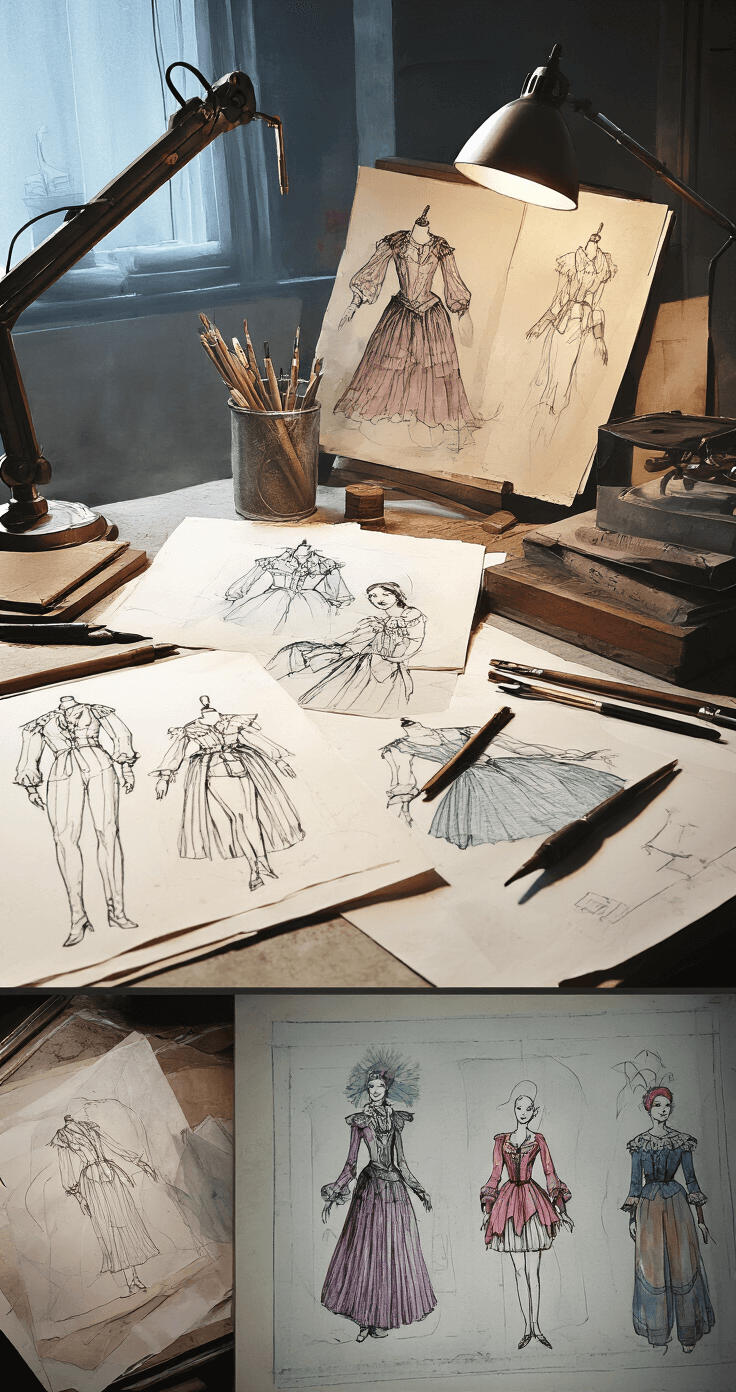
Let me walk you through how these sketches actually functioned in real theatrical productions. Costume drawings weren’t just artistic expressions—they served super practical purposes.
Here’s the process:
Step 1: The Designer Creates the Sketch
First, the costume designer would meet with the director and discuss the vision for each character. Then they’d create detailed drawings showing the outfit from multiple angles.
Step 2: Approval and Revisions
The drawings would be reviewed by the production team. Sometimes changes were made based on budget, practicality, or the actor’s needs.
Step 3: Construction Begins
Once approved, the drawings went to the costume shop where seamstresses and tailors used them as blueprints. Every detail mattered—the placement of buttons, the length of sleeves, the type of fabric.
Step 4: Fittings and Adjustments
As the costume came together, actors would try them on and adjustments would be made. But the original drawing remained the guiding vision throughout.
This process is still used today in theater, opera, ballet, and film production.
Want to keep this one?
We'll email you the link so you can find it again later.