
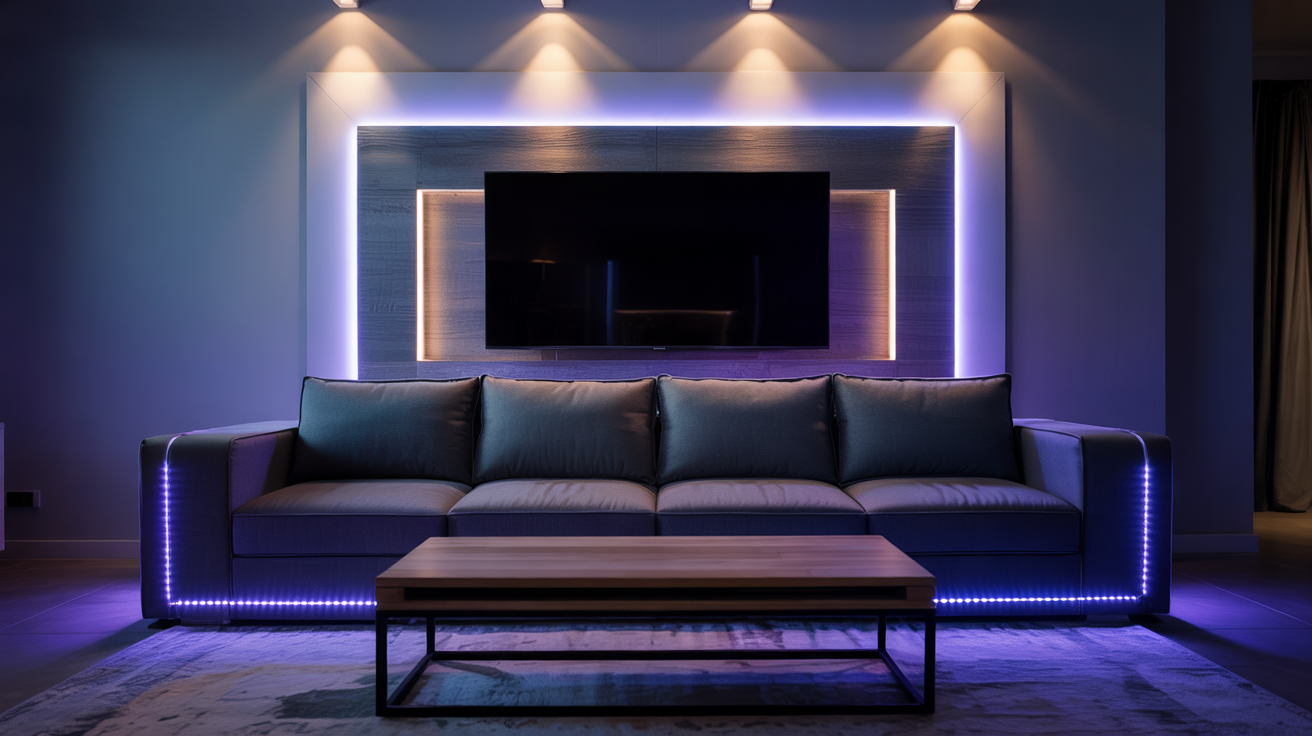
LED strip lights can be programmed to create a wide range of visual effects, from simple color changes to complex sequences synchronized with music.
I’ll be honest with you—I was skeptical about LED strips at first. They seemed like something teenagers would stick on their bedroom ceilings and call it “interior design.”
Then I installed programmable LED strip lights in my living room for a dinner party.
The moment I dimmed those strips from bright white to a warm amber glow, watching my guests’ faces light up (pun absolutely intended), I became a believer.
These aren’t your grandfather’s Christmas lights. We’re talking about legitimate home automation that responds to your life, not just sits there looking pretty.
Why Should You Care About Programmable LED Effects?
Your lighting shouldn’t just be functional—it should work with you.
Think about it. You wake up groggy on Monday morning, needing gentle light to ease into the day. Friday night rolls around, and suddenly you want your living room to feel like that cool lounge you visited on vacation.
Same room. Completely different vibes.
That’s what programmable effects give you—lighting that adapts instead of you adapting to it.
Types of Programmable Effects That Actually Matter
Color Changing: Beyond the Rainbow
The lights can alternate between different colors either gradually or instantly, creating a dynamic and vibrant atmosphere.
I use this feature more than I ever expected.
Here’s what color changing actually looks like in real life:
- Morning routine: Cool blue-white light that mimics daylight (helps me wake up without mainlining coffee)
- Work hours: Neutral white for video calls where I don’t want to look like I’m calling from a nightclub
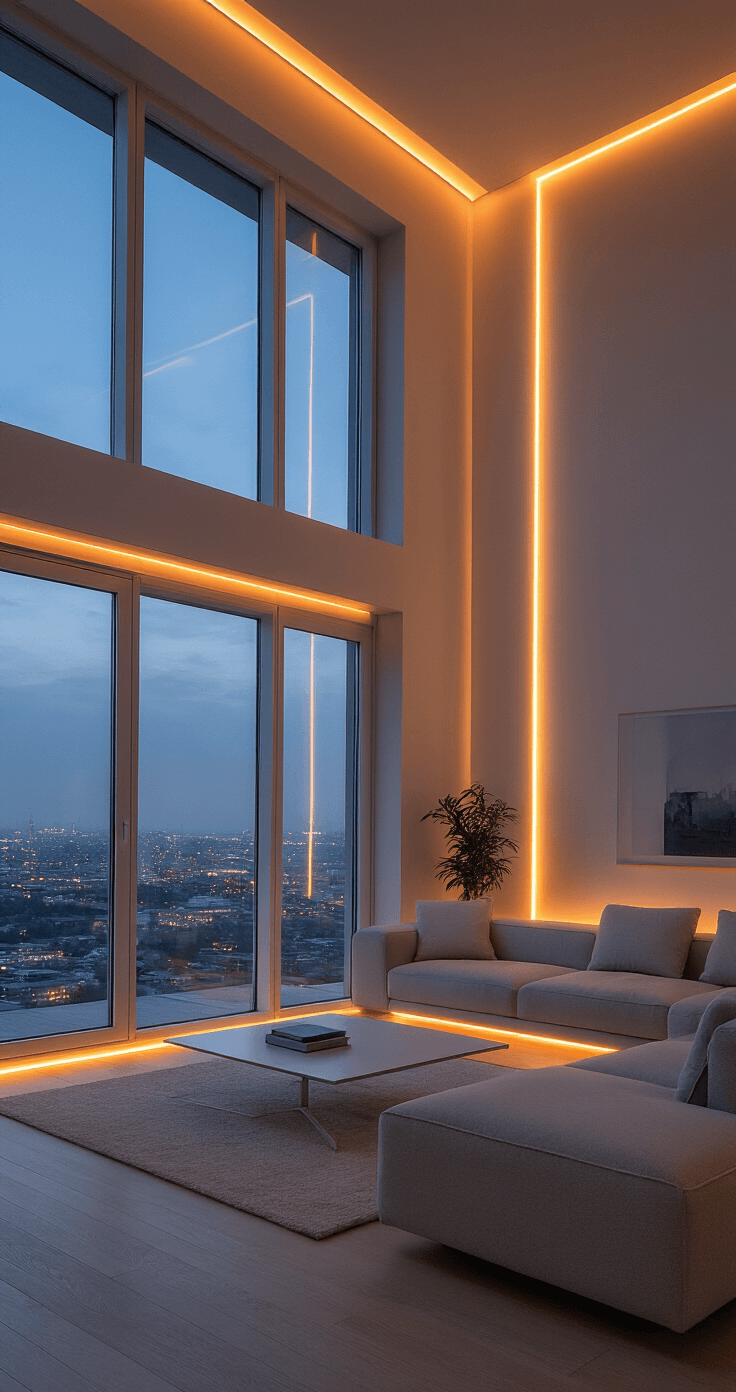
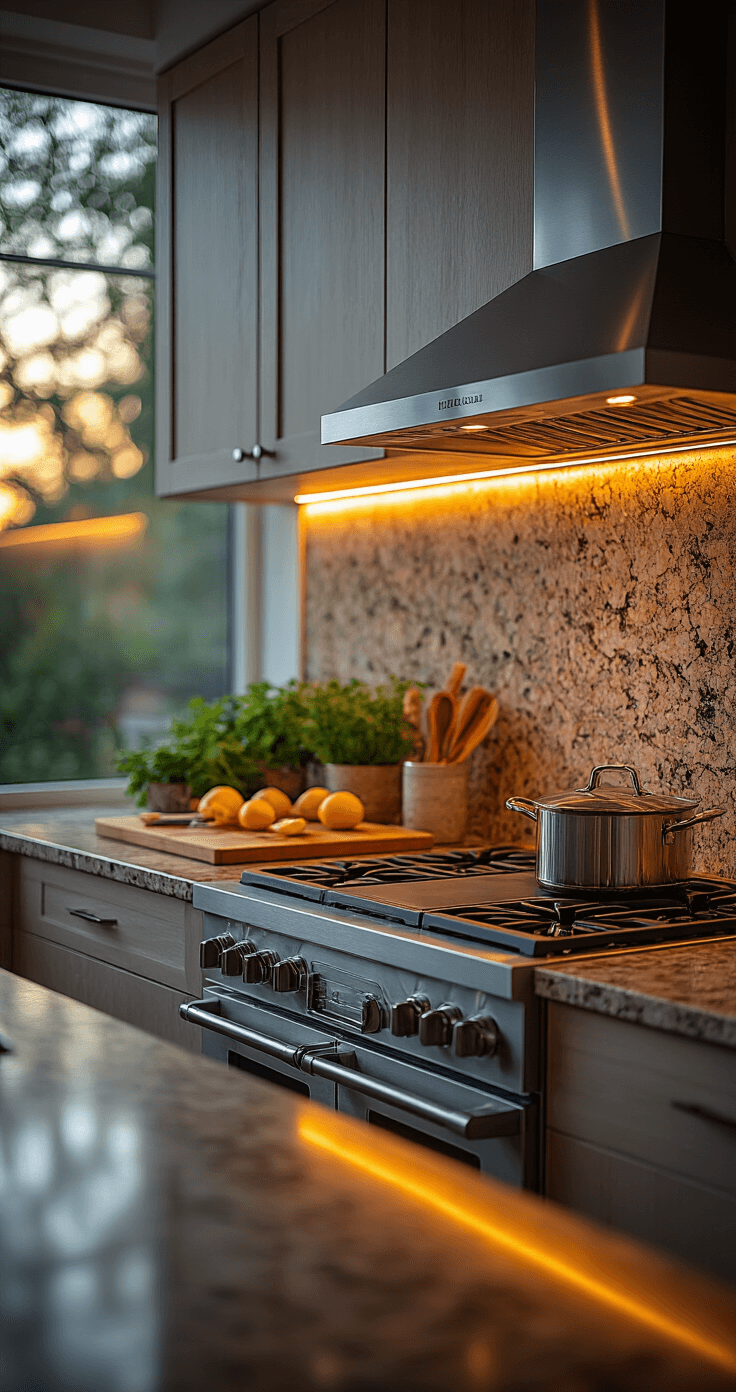
- Evening wind-down: Warm amber that signals my brain it’s time to chill
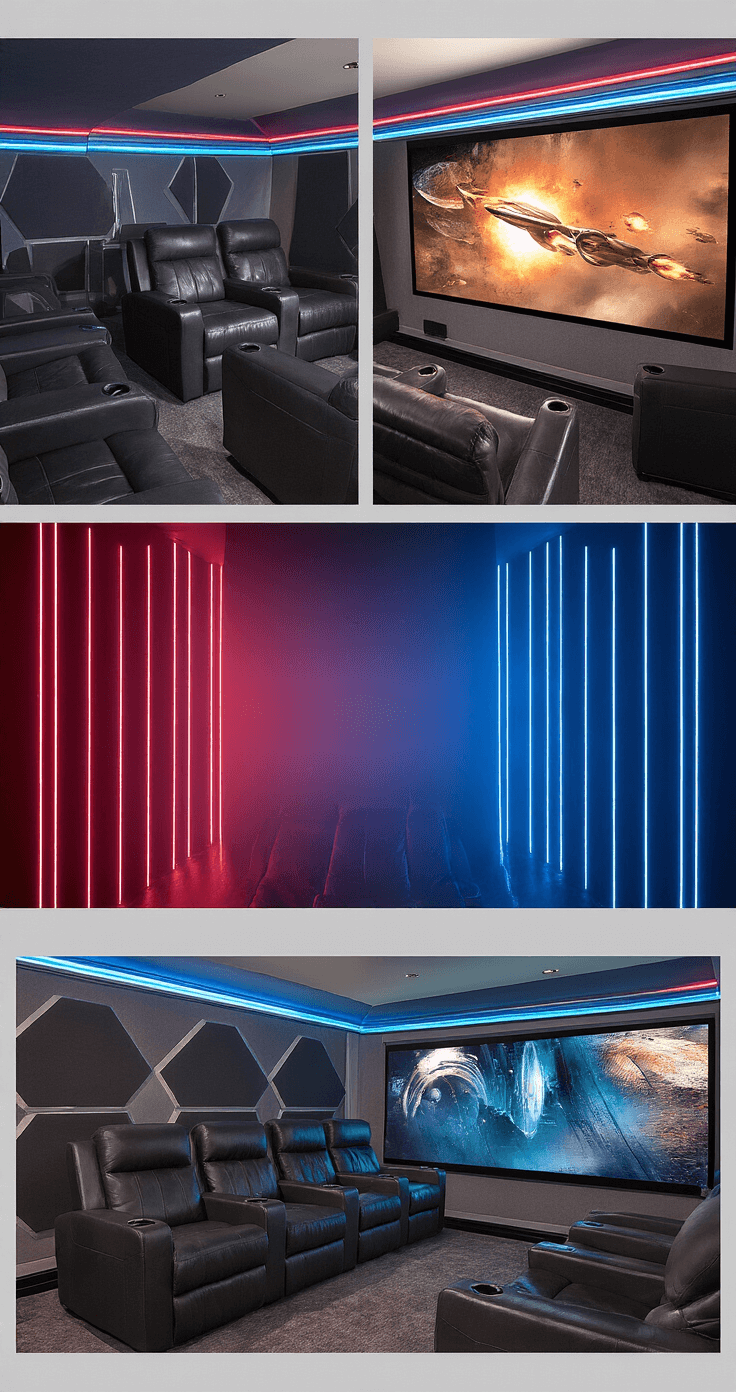
- Movie night: Deep purple or red behind the TV (reduces eye strain, looks ridiculously cool)
This customization allows you to tailor lighting schemes to specific moods or activities.
The best part? You set it once with LED controller apps, and your lighting just… knows what to do.
Smooth Transitions: The Unsung Hero
The slow color-changing capability of LED lights helps create a serene atmosphere, making them suitable for relaxing spaces like bedrooms or living rooms.
This is where LED strips separate themselves from cheap party lights.
Jarring color changes are jarring—period. Your nervous system doesn’t appreciate going from bright white to electric blue in half a second.
Smooth transitions matter because:
- They don’t trigger that “something’s wrong” response in your brain
- They create cinematic, professional-looking effects
- They’re essential for sleep-friendly bedrooms (trust me on this one)
I programmed my bedroom strips to take 30 minutes to fade from dim amber to complete darkness. Better than any sleeping pill I’ve tried.
Save this article
Enter your email and we'll send it straight to your inbox.
Flashing: Use Sparingly (Your Neighbors Will Thank You)
The lights can blink at different rates, ideal for events or parties where a striking effect is desired.
Look, I’m going to level with you.
Flashing effects are like hot sauce. A little bit at the right time? Perfect. Too much? You’ve ruined everything.
When flashing actually works:
- New Year’s Eve countdown (go nuts, it’s tradition)
- Birthday parties for kids who haven’t developed taste yet
- Signaling “the party is here” for outdoor gatherings
- Alert notifications (some people sync them with doorbell cameras)
When it doesn’t:
- Literally any other time
Save the strobe effects for when you actually need them. Your eyeballs and your guests will appreciate the restraint.
Music Synchronization: This Is Where It Gets Ridiculous (In a Good Way)
For entertainment venues like nightclubs, theaters, and bars, programmable LED strips—such as those with DMX control—can change color and intensity in response to music, screen transitions, or other triggers.
This feature turned my basement from “place where old furniture goes to die” into my favorite room in the house.
I installed music-reactive LED strips behind my TV and along the ceiling perimeter.
First movie I tested? Blade Runner 2049.
When that Hans Zimmer score kicked in and the lights started pulsing with the bass—I actually got goosebumps.
Music sync works for:
- Home theaters (obviously)
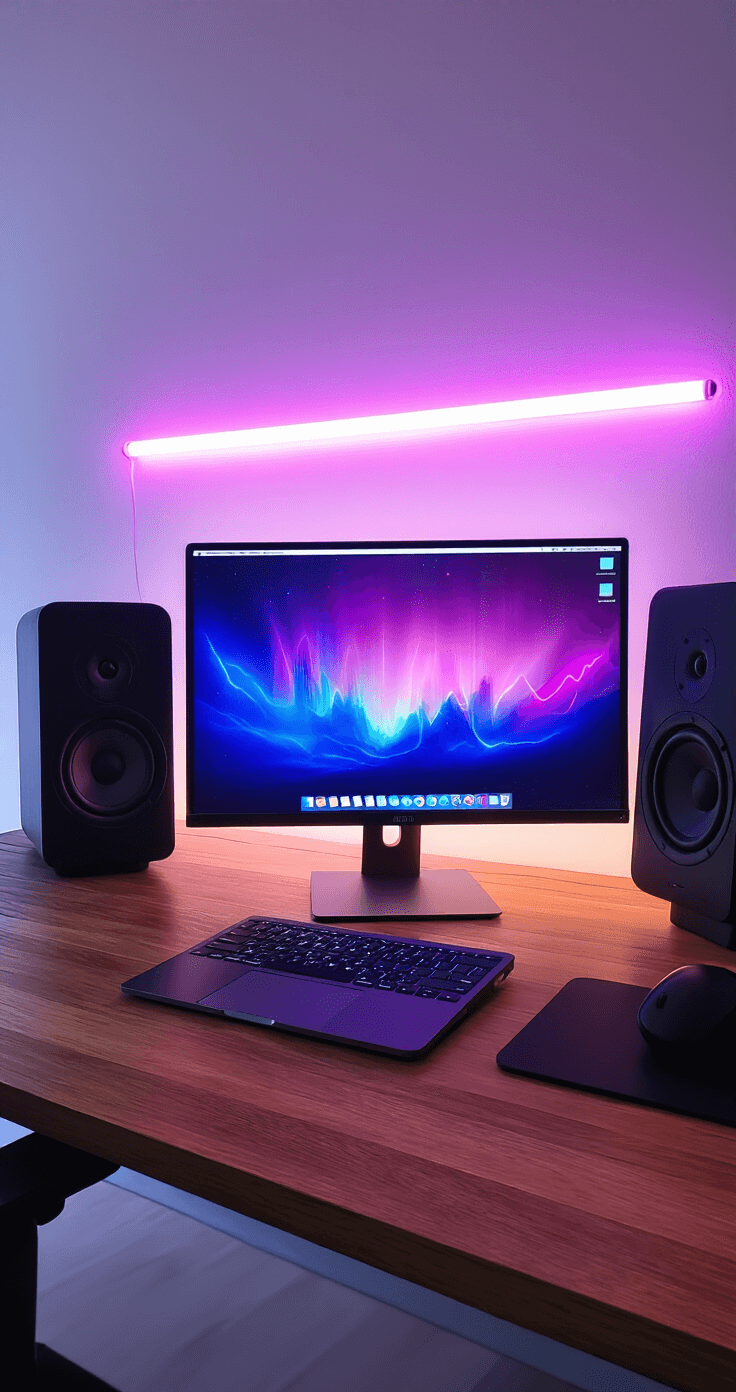
- Gaming setups (your K/D ratio won’t improve, but you’ll look cooler losing)
- Workout spaces (better than motivational posters)
- House parties (when your Spotify playlist becomes a light show)
The technology uses either a microphone to pick up sound or direct connection to your audio system. The microphone option works surprisingly well with smart LED strips, though audiophiles prefer the direct connection for perfect timing.
Where These Effects Actually Make Sense
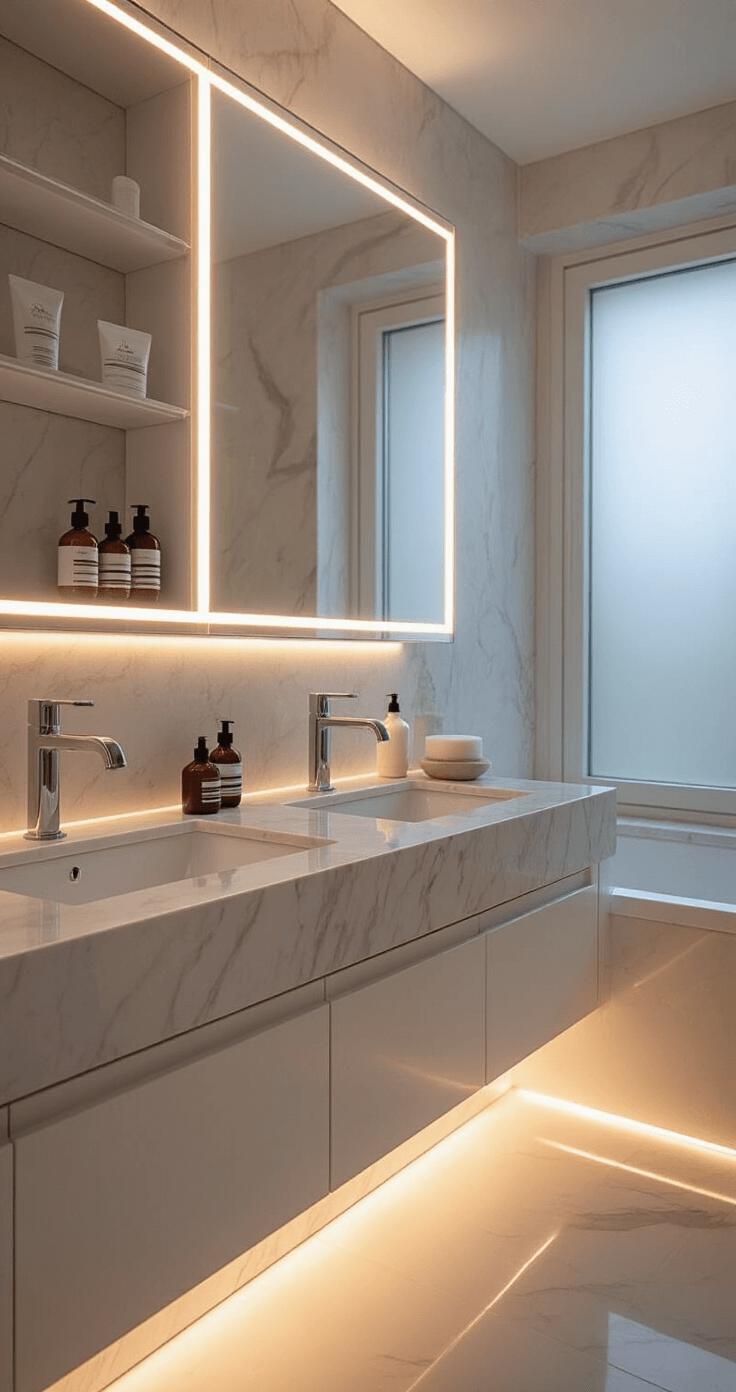
LED strips work particularly well for creating theatrical and accent lighting effects.
Not every room needs programmable disco lights. Let me save you from some mistakes I made.
Commercial Applications That Work
In commercial settings, they’re commonly used in entertainment venues where dynamic lighting is essential.
Best commercial uses:
- Restaurants (mood setting is half the dining experience)
- Retail stores (directing attention to displays)
- Bars and clubs (self-explanatory)
- Reception areas (first impressions matter)
- Gyms and fitness studios (energy and motivation)
Want to keep this one?
We'll email you the link so you can find it again later.