
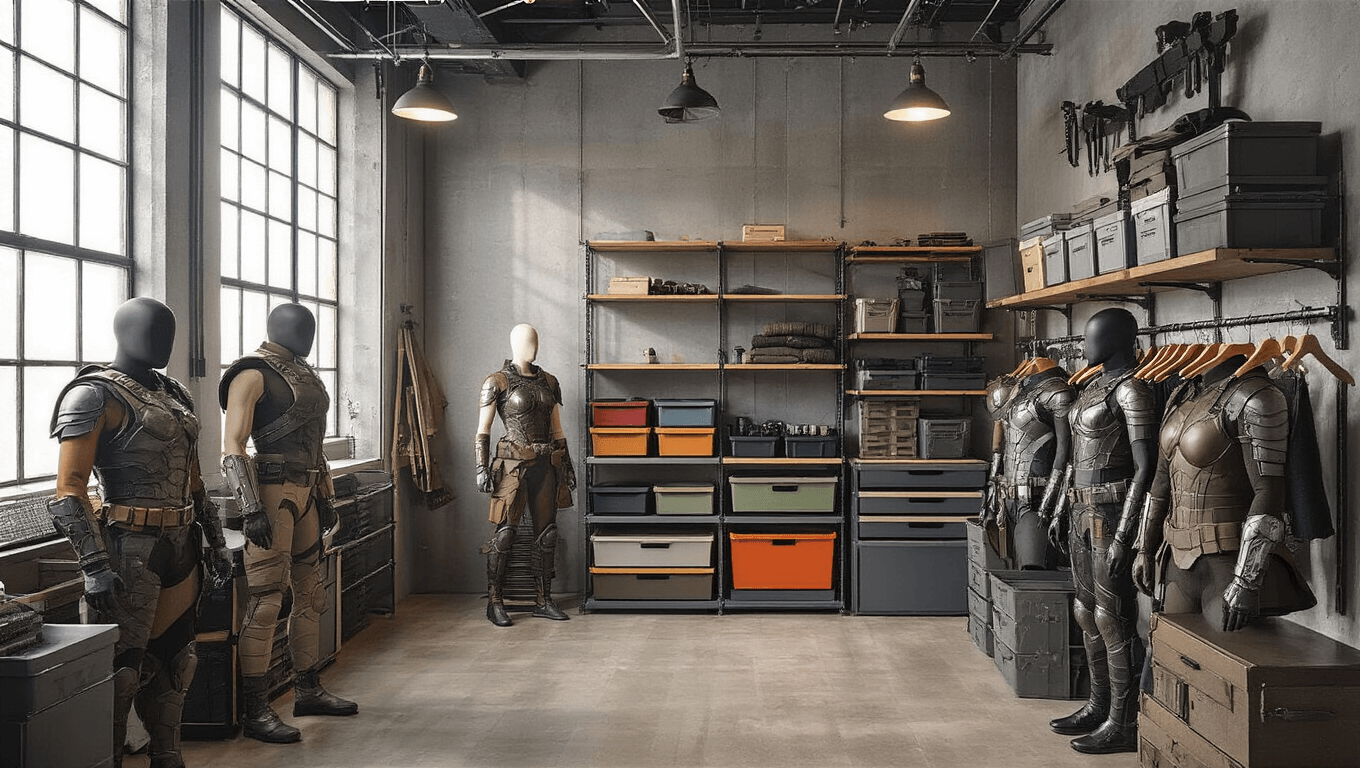
Creative Storage Solutions That Keep Your Armor Pieces Safe and Ready
Contents
- Creative Storage Solutions That Keep Your Armor Pieces Safe and Ready
- Wall-Mounted Systems: Maximum Space, Zero Floor Clutter
- Clear Plastic Bins: The Stackable Solution That Actually Works
- Heavy-Duty Hanging: When Your Armor Has Fabric Elements
- Storage Racks: The Display-Meets-Function Approach
- Small Compartment Drawers: Never Lose Another Buckle
- Mannequins and Display Forms: Keep Complete Sets Together
- Climate Control: The Unsexy But Critical Factor
Armor pieces need smart storage that protects them from damage while keeping everything organized and easy to grab. Whether you’re storing tactical gear, cosplay armor, or historical replicas, the right storage system makes all the difference.
I’ve seen too many people stack their expensive armor in cardboard boxes or throw pieces in random corners of their garage. Then they wonder why their carefully crafted chest plates crack or their foam builds get crushed. Don’t be that person.
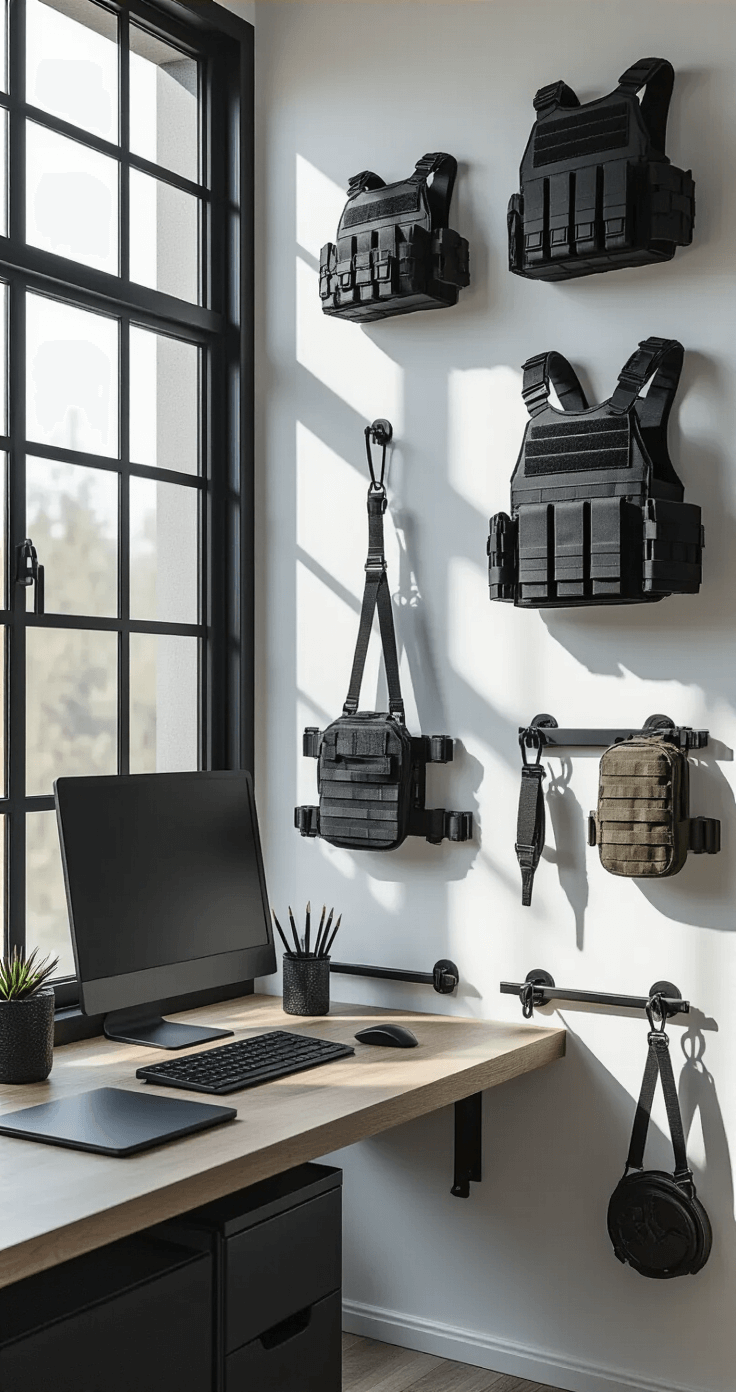
Wall-Mounted Systems: Maximum Space, Zero Floor Clutter
Wall mounting is hands-down one of the smartest ways to store armor.
For tactical body armor and plate carriers, get yourself some dedicated plate carrier hangers that mount directly to your wall. These keep your vests ready to grab without eating up precious floor space. The beauty of wall-mounted systems is their flexibility – you can rearrange hooks and brackets as your collection grows.
Pro tips for wall storage:
- Use heavy-duty wall anchors (not just drywall screws)
- Space hooks at least 18 inches apart to prevent pieces from touching
- Install at eye level for easy access
- Add padding to hooks for delicate pieces
I learned this the hard way when my foam pauldrons got pressure marks from hanging too close together.
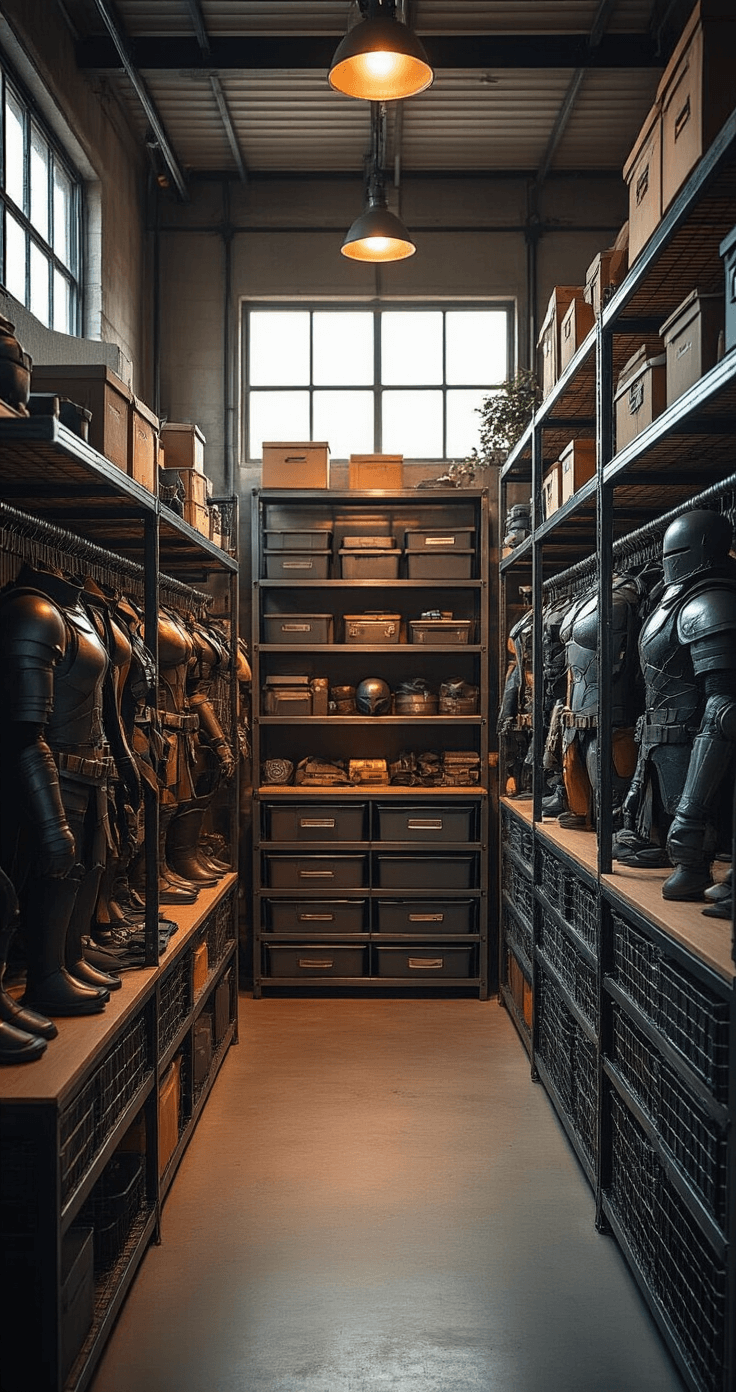
Clear Plastic Bins: The Stackable Solution That Actually Works
Clear plastic storage containers with flat lids are stackable gold. You can see what’s inside without opening every single box like some twisted game show.
Here’s my system:
- Use flat-top bins only (rounded lids don’t stack well and will drive you insane)
- Slap masking tape labels on the front of each bin
- Write exactly what’s inside – “foam gauntlets” beats “stuff” every time
- Stack heavier armor on bottom, lighter pieces on top
- Keep frequently used pieces in top bins
For smaller armor components or accessories, grab some smaller storage totes and organize by character, project, or armor set. Label everything. Seriously, everything. Future you will send thanks.
Heavy-Duty Hanging: When Your Armor Has Fabric Elements
Heavy-duty hangers are lifesavers for fabric-based armor, leather pieces, and costume elements that shouldn’t get squished.
Regular plastic hangers will snap under the weight of properly constructed armor. Been there, done that, picked up the pieces at 2 AM before a convention.
What works:
- Wooden hangers or metal ones rated for coats
- Padded hangers for pieces with straps
- A sturdy clothing rod (not a tension rod that’ll collapse)
- Spacing pieces so they don’t touch and transfer paint or damage each other
Vertical hanging saves compression damage that happens when you stack armor flat.

Storage Racks: The Display-Meets-Function Approach
Multi-shelf storage racks from hardware stores give you visibility and organization in one shot.
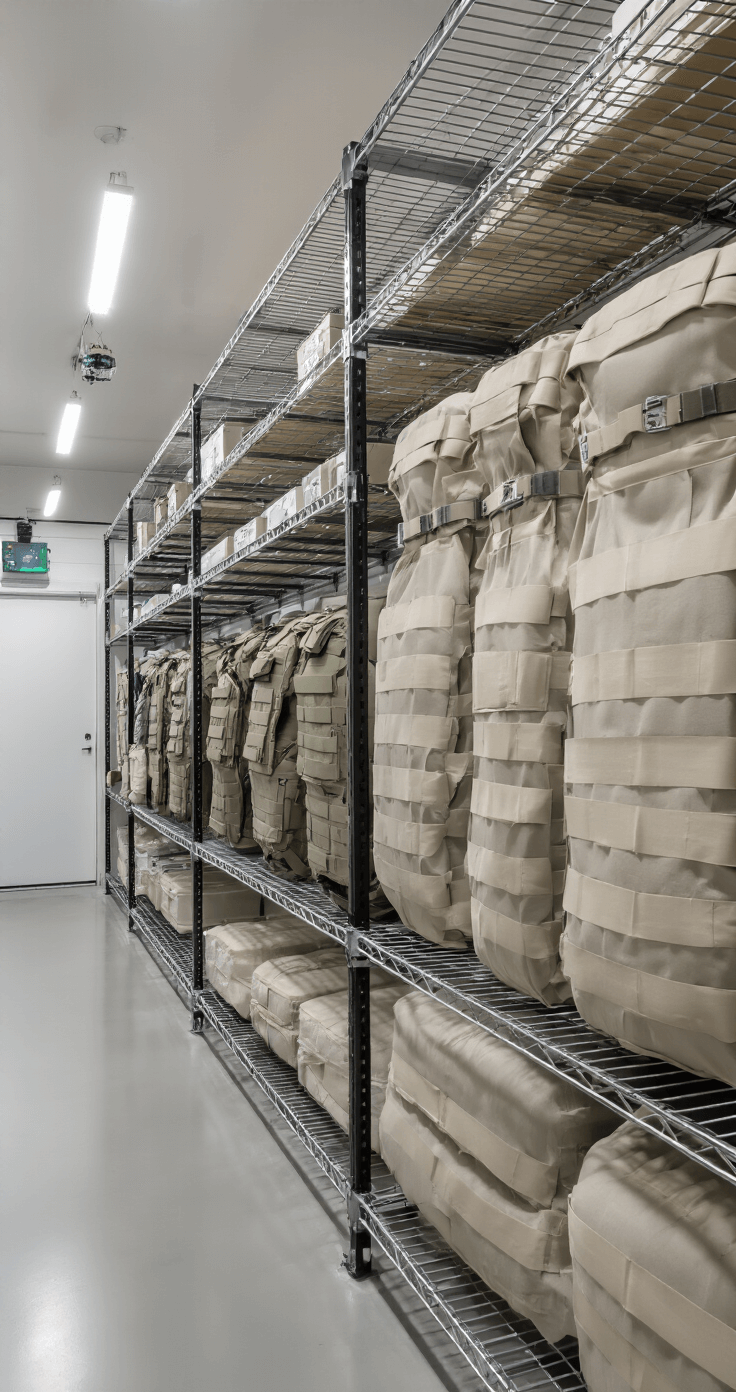
I use industrial wire shelving because:
- Air circulates around pieces (prevents moisture buildup)
- You can see everything at a glance
- Adjustable shelves accommodate different armor heights
- They’re stupid-strong and won’t collapse under weight
Shelf storage tips:
- Place heaviest pieces on lower shelves
- Use shelf liners or foam to prevent scratches
- Leave space between pieces for air flow
- Don’t overcrowd – crushed armor is sad armor
Small Compartment Drawers: Never Lose Another Buckle
Those small parts will disappear into the void if you don’t contain them.
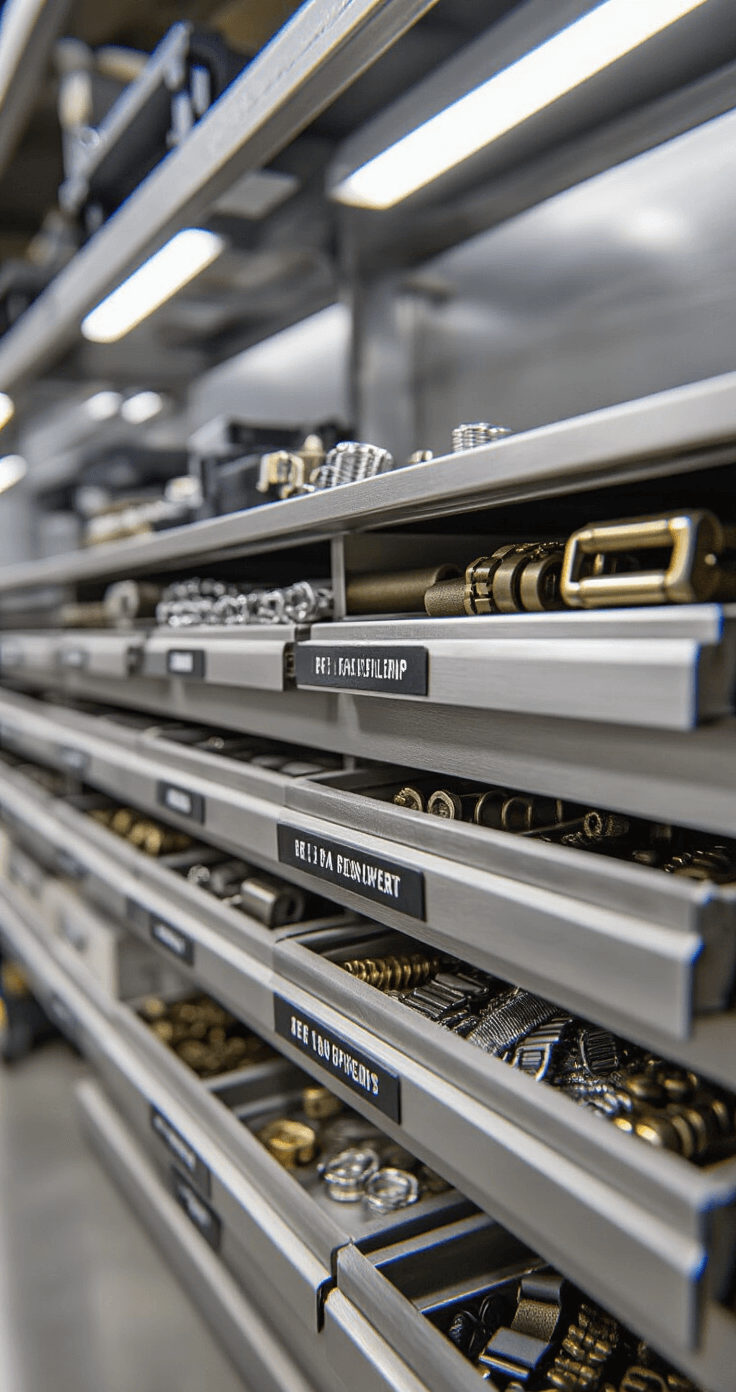
Drawer-style organizers with multiple pull-out compartments are perfect for:
- Buckles and fasteners
- Small decorative elements
- Repair supplies
- Straps and elastic
- Paint touch-up supplies
- Foam scraps for repairs
I use a label maker for these drawers because my handwriting looks like a drunk spider walked across the paper. Clear labeling means you’re not dumping out 15 drawers looking for one specific buckle at midnight.
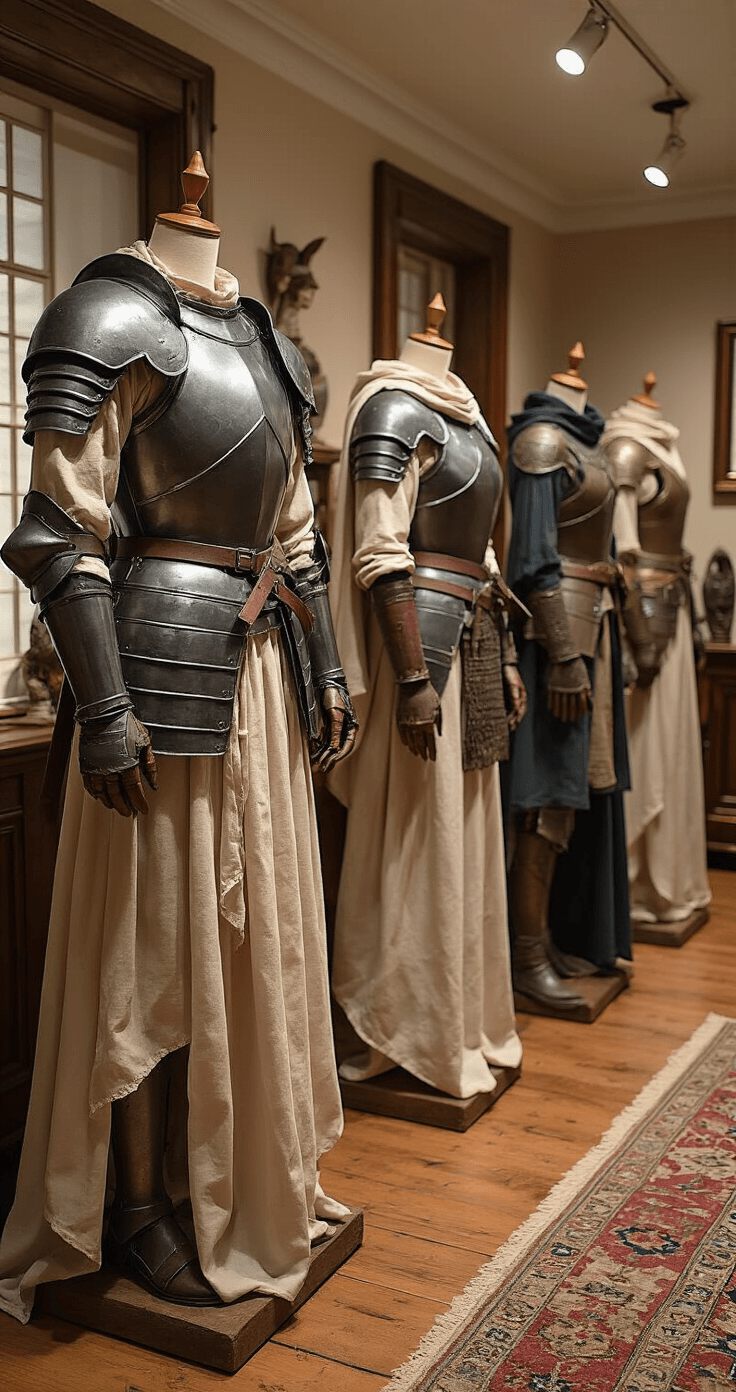
Mannequins and Display Forms: Keep Complete Sets Together
If you’ve got the space, a display mannequin keeps complete armor sets assembled and photo-ready.
This works great when:
- You wear the same armor frequently
- The armor is complex to assemble
- You want to spot damage or wear immediately
- You have dedicated space for display
Just cover displayed armor with breathable fabric to prevent dust buildup without trapping moisture.
Climate Control: The Unsexy But Critical Factor
Your storage location matters as much as your storage method.
Avoid these armor killers:
- Direct sunlight (fades paint and weakens materials)