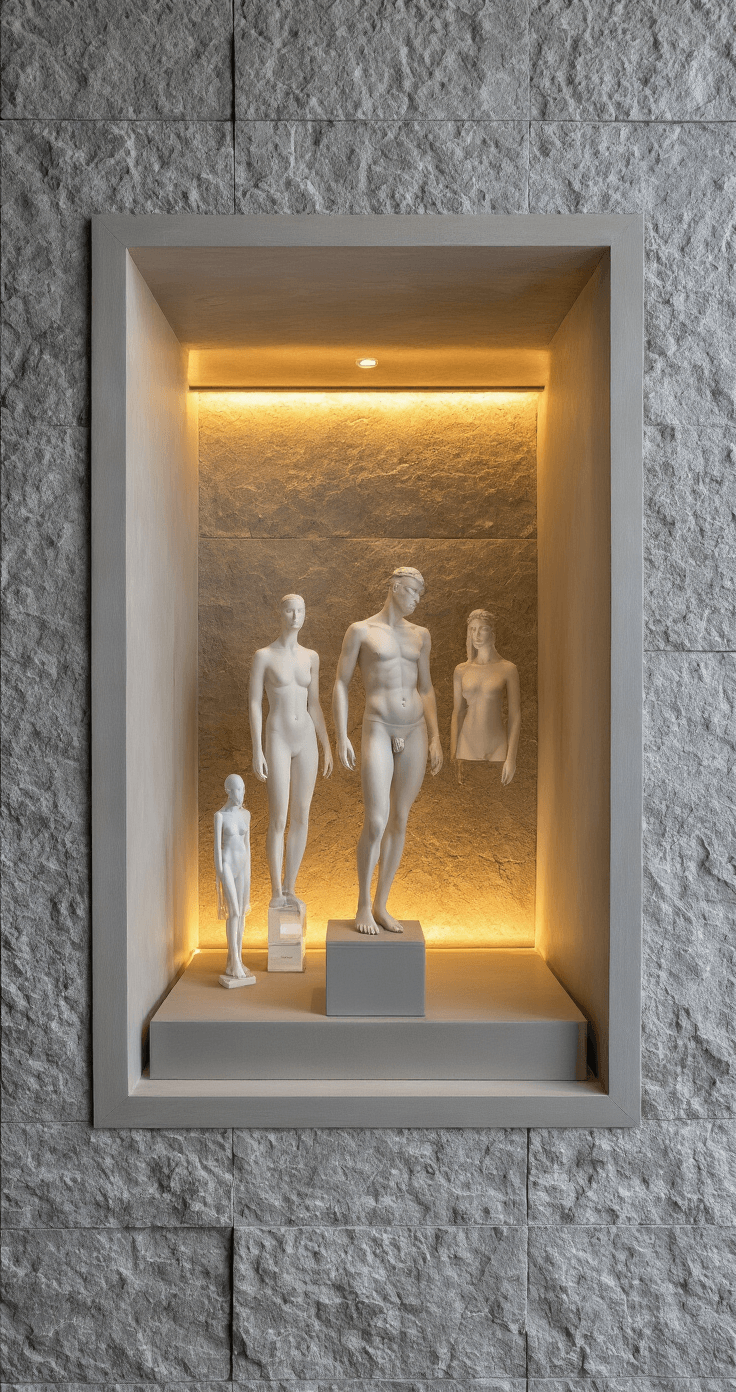
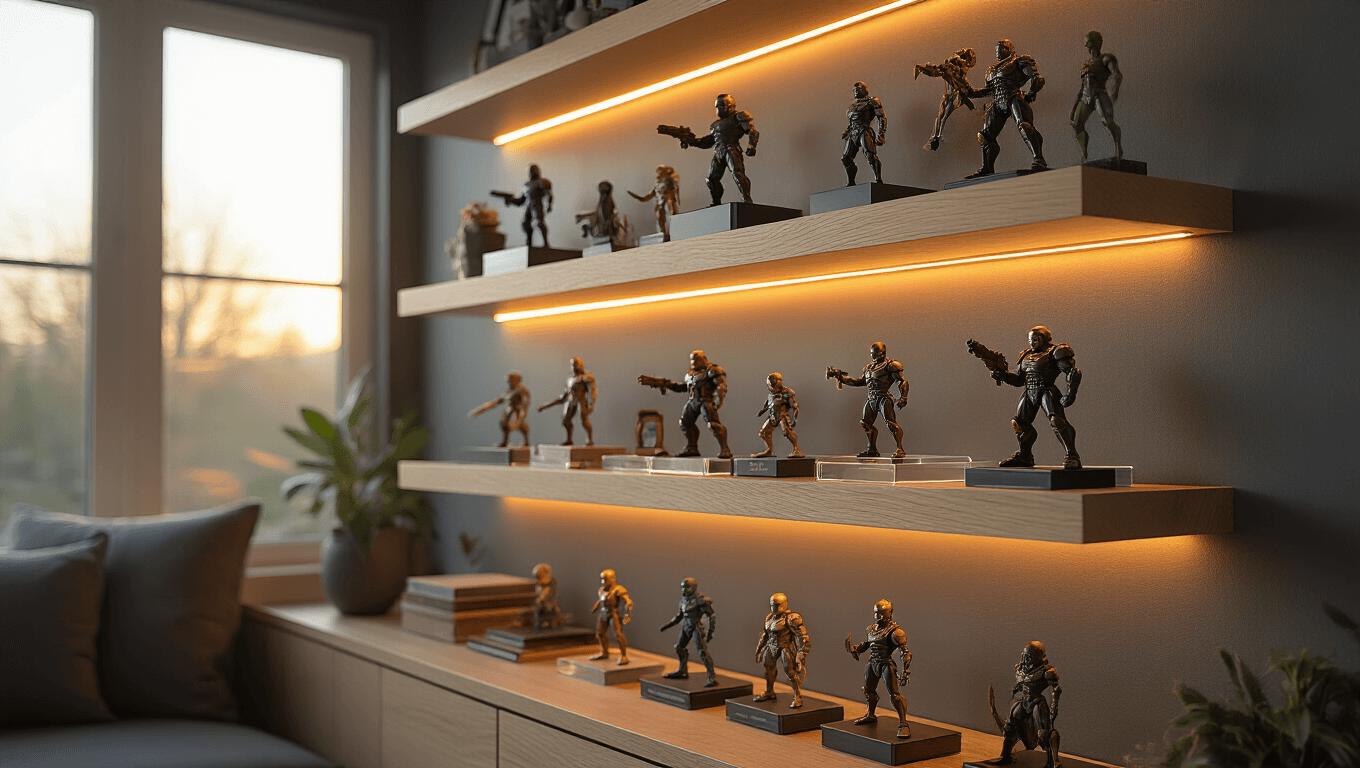
Displaying Figures with Style: A Comprehensive Guide to Stunning Visual Arrangements
Contents
Imagine walking into a room where every figure tells a story, where collectibles and visualizations dance with purpose and elegance. Today, I’m diving deep into the art of creating jaw-dropping figure displays that’ll make your space both personal and professional.
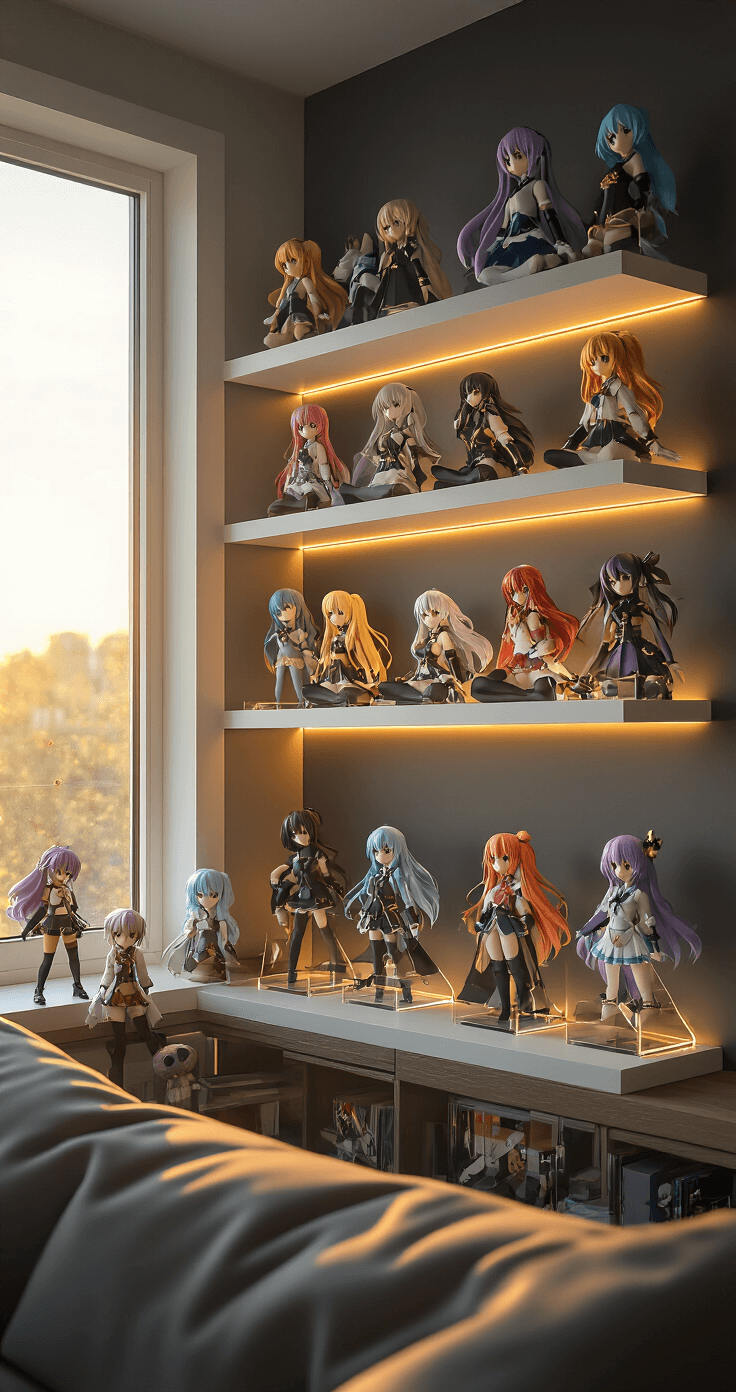
Why Figure Display Matters
Let’s cut to the chase: how you display figures can transform a mundane space into a stunning visual narrative. Whether you’re a collector, designer, or data visualization expert, the principles remain the same.
The Magic of Strategic Arrangement
I’ve learned that displaying figures isn’t just about throwing things on a shelf. It’s about:
- Creating visual flow
- Telling a compelling story
- Capturing attention with intentional design
Essential Strategies for Killer Figure Displays
1. Theme-Driven Grouping
Pro Tip: Group figures that share a common thread. This could mean:
- Character series
- Color palette
- Narrative arc
- Chronological progression
Recommended display shelf for perfect arrangement!
2. Mastering Visual Composition
Think of your display like a carefully choreographed dance. Key elements include:
- Varied heights
- Dynamic poses
- Balanced symmetry
- Strategic negative space
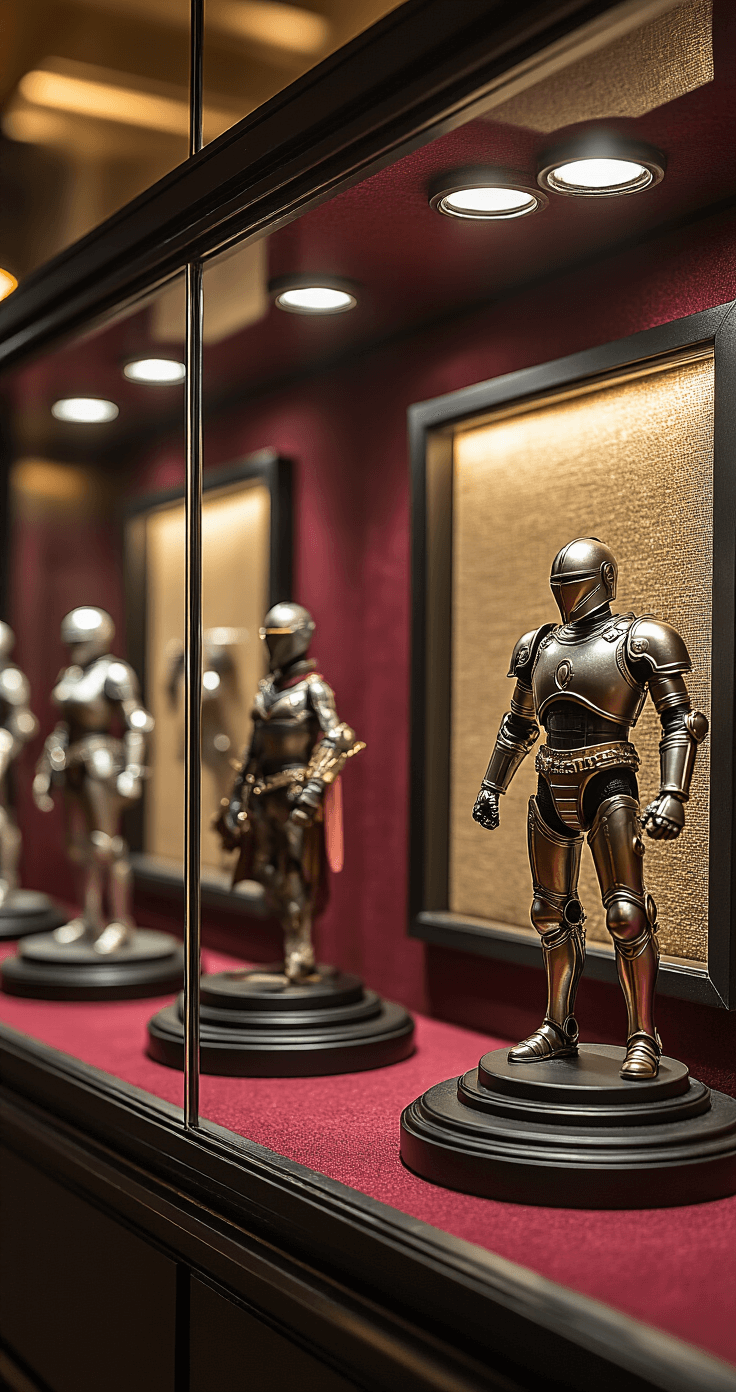
3. Lighting: The Unsung Hero
Lighting can make or break your display. Consider:
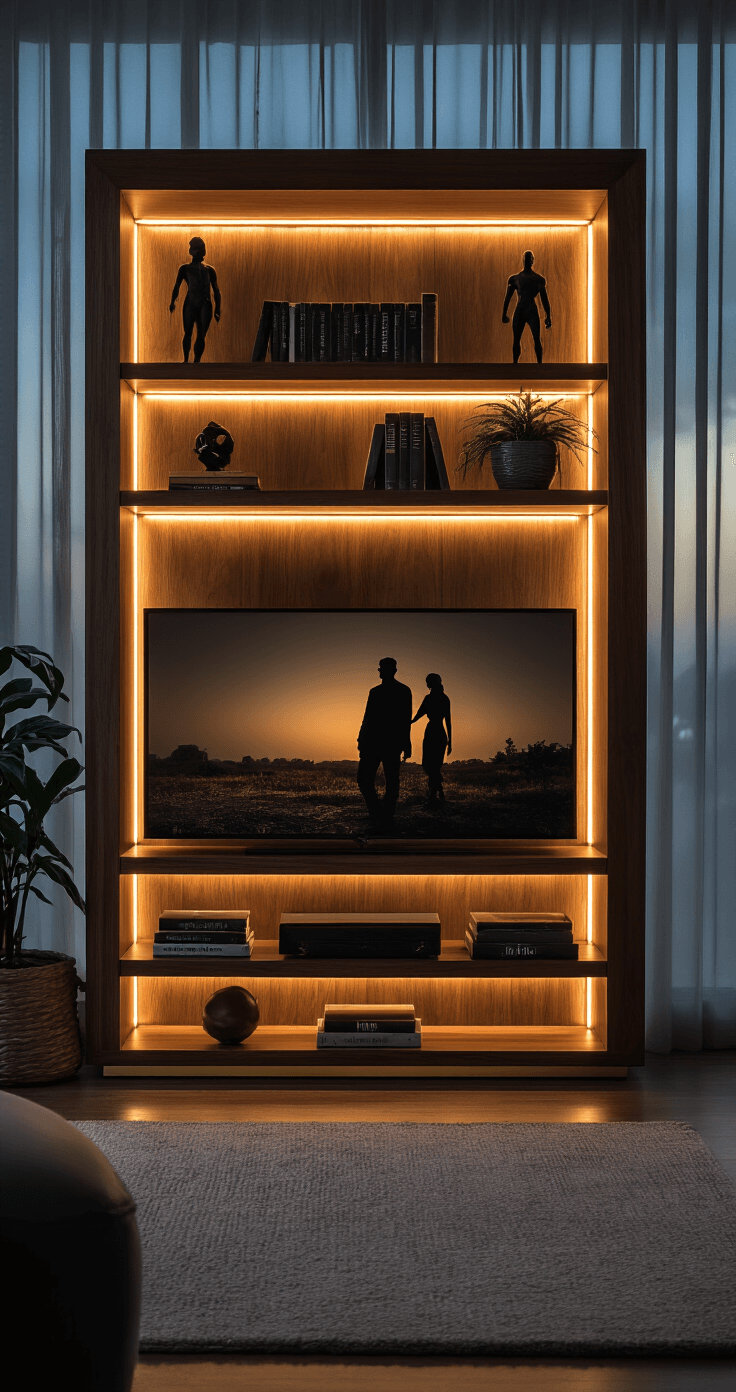
- Soft, diffused LED lights
- LED strip lights for dramatic effect
- Natural light positioning
- Avoiding harsh shadows
4. Accessories That Elevate
Small details create big impact:
- Themed risers
- Complementary props
- Background elements
- Display stands for stability
Step-by-Step Display Setup
- Plan Your Narrative
- Decide on grouping criteria
- Sketch initial layout
- Prepare Your Space
- Clean display area
- Select appropriate shelving
- Ensure stable surface
- Arrange with Intention
- Start with anchor pieces
- Experiment with poses
- Create visual balance
- Lighting and Final Touches
- Add strategic lighting
- Include subtle accessories
- Step back and refine
Pro Tips for Jaw-Dropping Displays
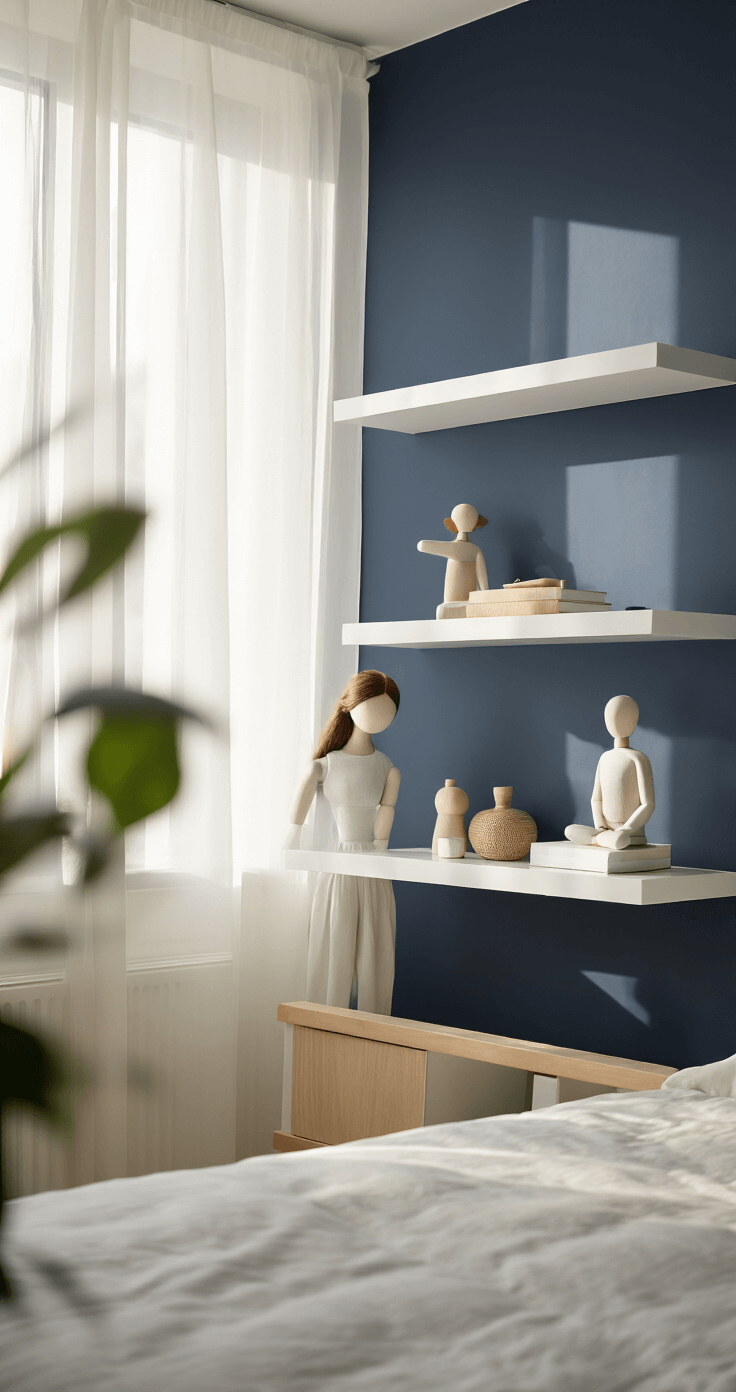
- Embrace minimalism
- Use high-contrast color schemes
- Rotate displays seasonally
- Don’t overcrowd your space
Must-Have Display Accessories
- Acrylic risers
- Precision lighting
- Themed backdrop prints
- Rotating display platforms
Common Mistakes to Avoid
- Cluttered arrangements
- Inconsistent themes
- Poor lighting
- Ignoring negative space
The Psychology of Display
Great displays aren’t just visual—they’re emotional. They:
- Tell a story
- Evoke memories
- Create conversation pieces
- Reflect personal style
Final Thoughts
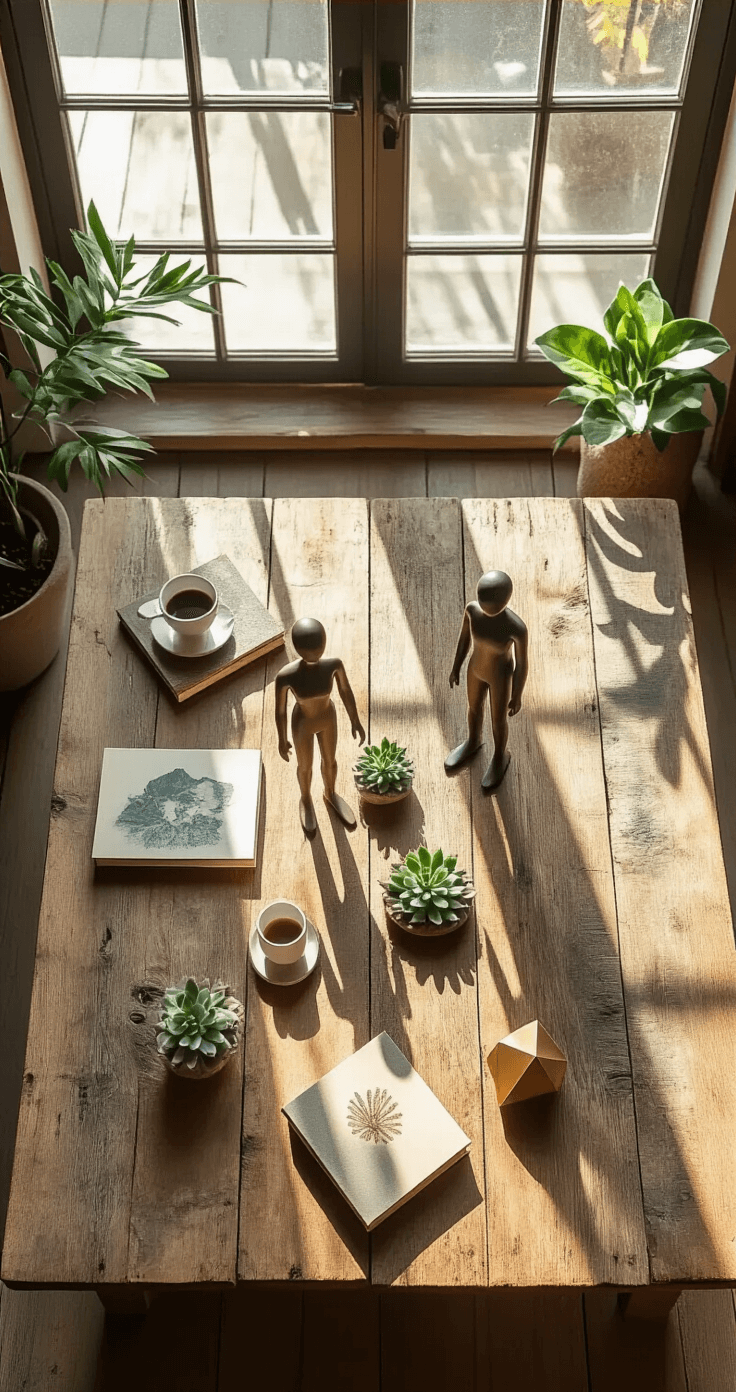
Displaying figures is an art form. It’s about creating a space that speaks, that captures imagination, and transforms ordinary objects into extraordinary experiences.
Your Turn
Ready to revolutionize your display? Start small, experiment boldly, and most importantly—have fun!
Bonus: Display cabinet recommendations coming soon in our next guide!