
Your Prop Weapon Needs the Right Guts (Materials Matter More Than You Think)
Contents
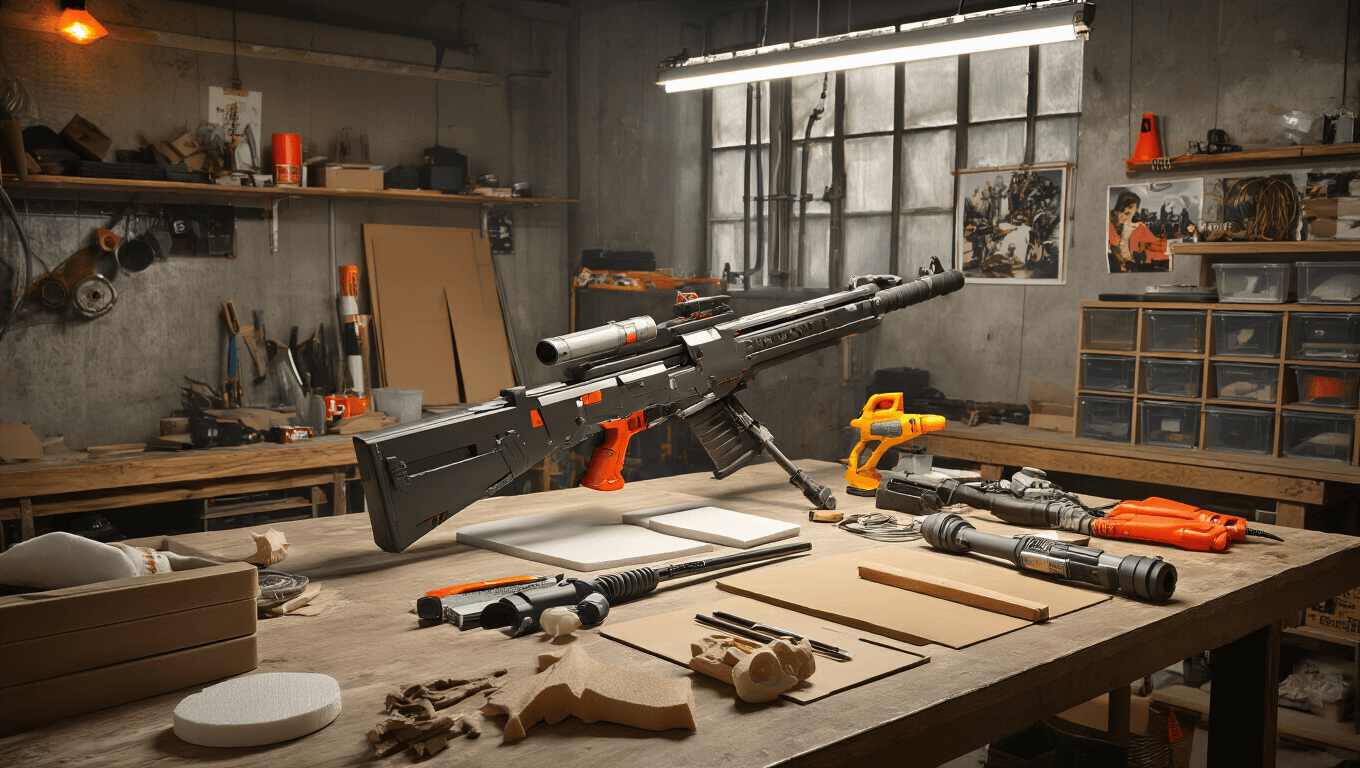
Prop weapons must be constructed from lightweight, non-hazardous materials because nobody wants a concussion from your replica hammer.
Here’s what actually passes inspection:
- Foam (EVA foam is the gold standard)
- Rubber and flexible plastics
- PVC pipe for structural support
- Worbla thermoplastic for detailed work
- Resin (lightweight varieties only)
The bigger your prop, the more weight becomes your enemy.
I learned this the hard way with a six-foot scythe that looked incredible but required two hands to lift safely. Security took one look, asked me to demonstrate handling it, and I nearly knocked over a Deadpool.
Not my finest moment.
What Gets Your Prop Rejected Immediately
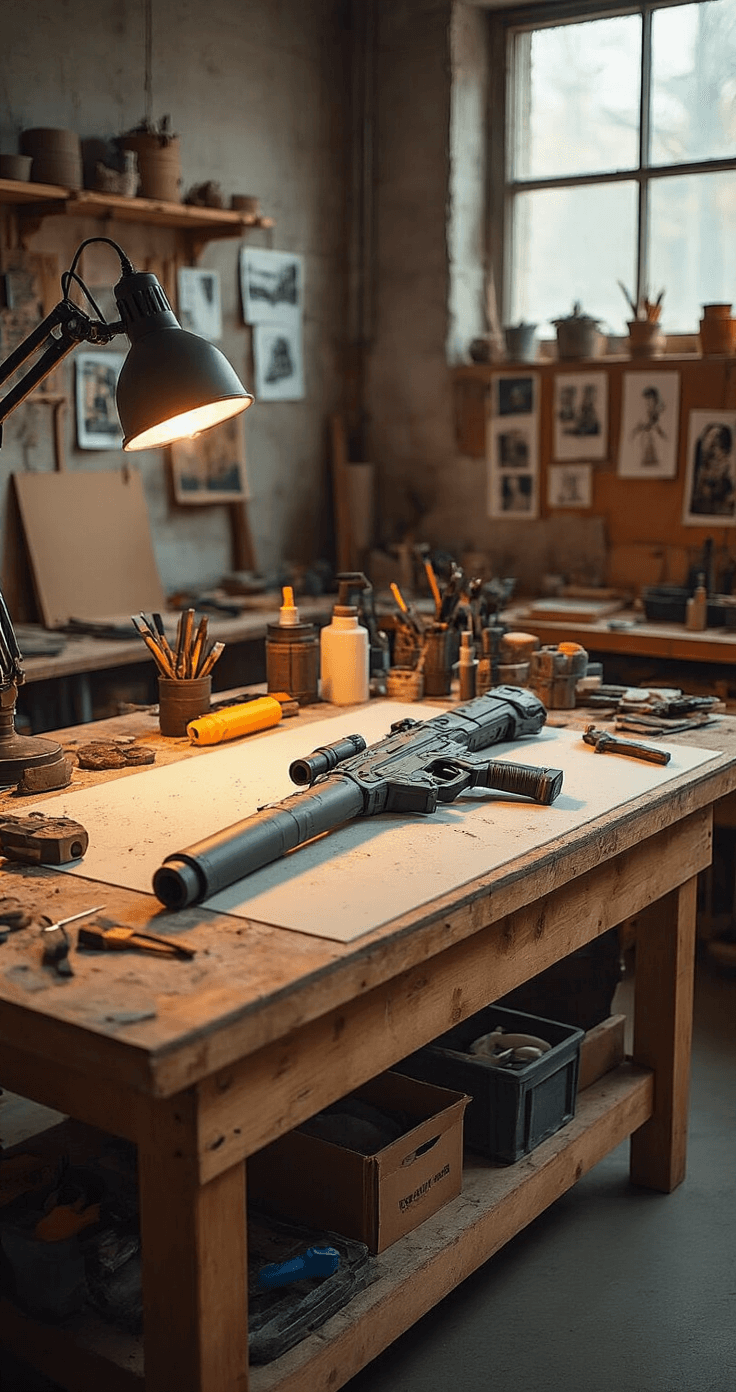
All prop weapons must have blunted edges and tips—no exceptions, no negotiations.
Sharp edges, pointed tips, and anything that could actually puncture skin will get confiscated. Your prop also needs to be obviously not real at a glance. If security squints at it wondering whether it’s functional, you’ve already failed.
Metal and wooden prop weapons are almost universally banned at conventions. I don’t care how period-accurate your medieval sword is—leave it home.
Firearm Props Are Where Things Get Legally Complicated
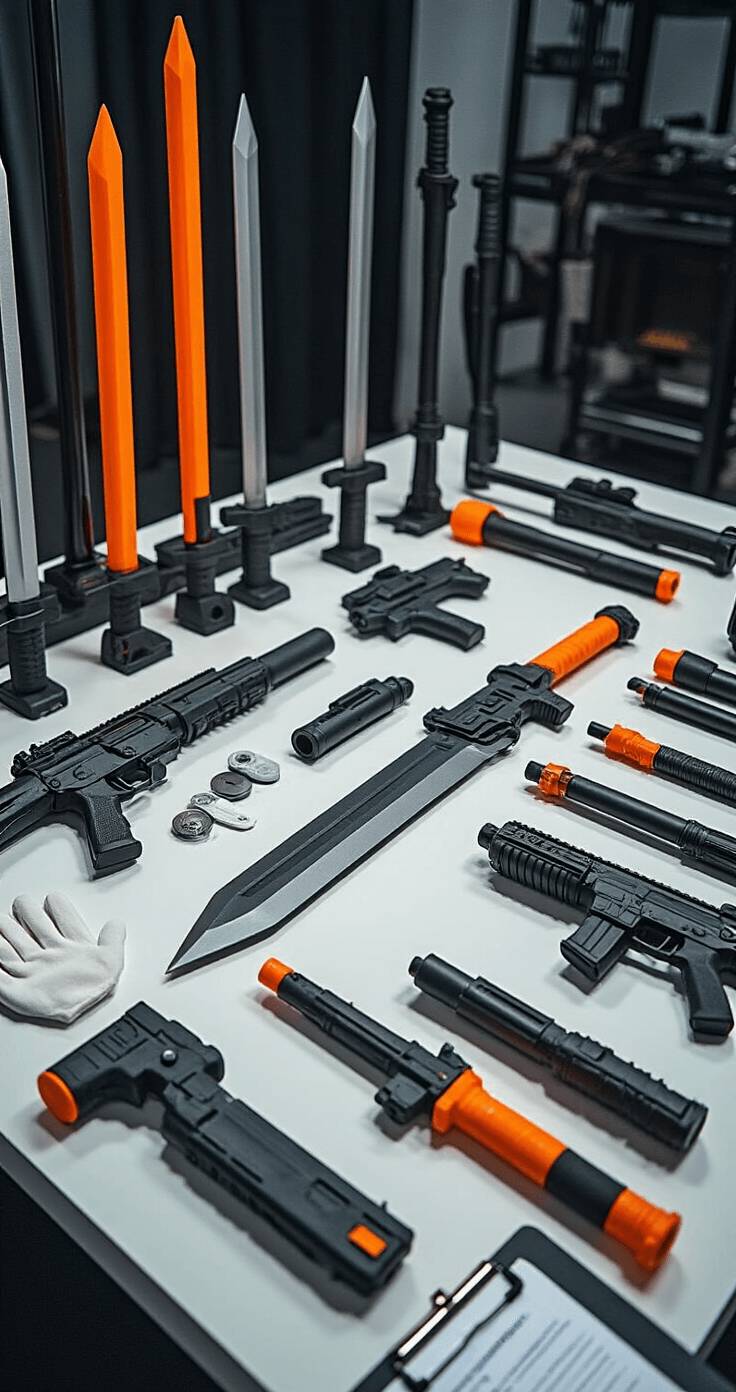
Every prop gun needs an orange tip on the barrel and must be completely incapable of firing anything.
Not just “I removed the firing pin.”
Not “the magazine is out.”
Physically incapable of launching any projectile whatsoever.
Here’s the prohibited list that catches people by surprise:
- BB guns (even unloaded)
- Paintball markers
- Dart guns (including Nerf blasters at some venues)
- Water guns
- Airsoft replicas (even with orange tips)
- Anything with ammunition
At New York Comic Con, every prop gun gets a security marking applied by staff when you enter. These markings change daily, so don’t try to sneak in with yesterday’s stamp.
I’ve used prop gun orange barrel caps that are removable for photos but can be quickly reattached when security does their rounds.
The Blaze Orange Tip Is Legally Required
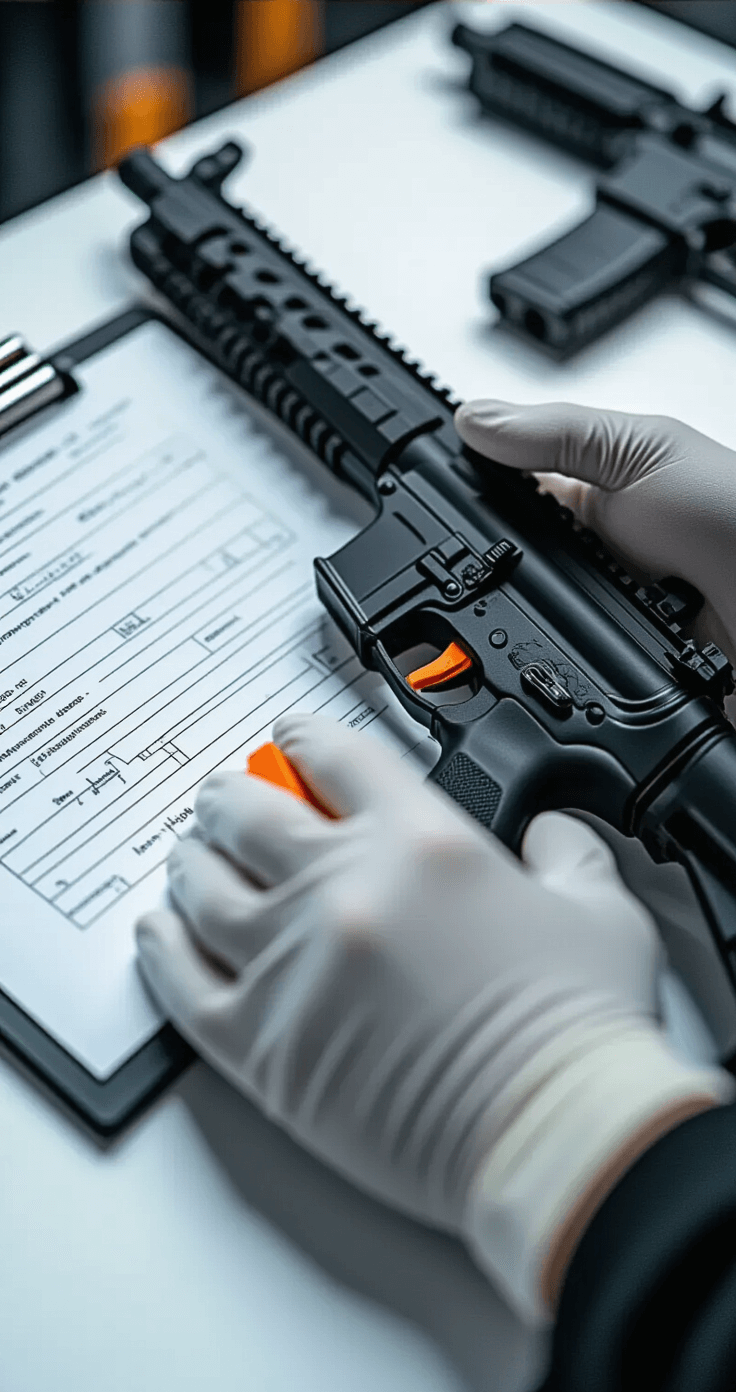
At many venues, removing or painting over the orange tip is illegal, not just against convention rules.
This isn’t security theater—it’s actual federal law in many jurisdictions.
When I built my first sci-fi blaster, I integrated the orange tip into the design rather than treating it as an ugly afterthought. The result looked intentional instead of like a safety hazard wearing a bright hat.
Functional projectile weapons are banned everywhere.
Your historically accurate longbow stays home, even if it’s unstrung. Your working crossbow? Absolutely not. That steampunk catapult? You’re hilarious, but no.
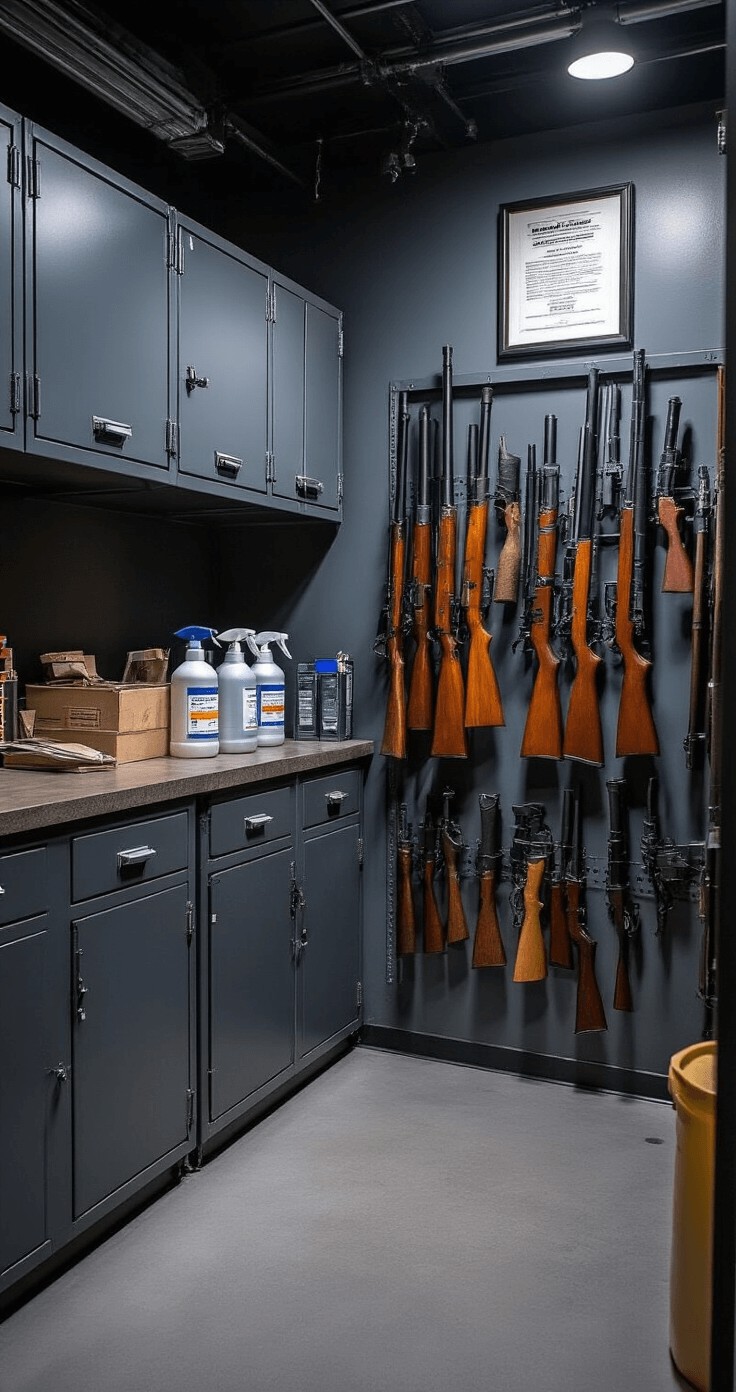
Storage Isn’t Optional (It’s How You Don’t Get Sued)
Props and weapons must be stored securely and separately from regular items.
For theater productions, this means locked storage areas with organized inventory systems. I keep a simple spreadsheet tracking every prop, its condition, and who handled it last.
During conventions, “storage” means your hotel room or car when you’re not actively using the prop.
Carrying that giant sword through the dealer’s hall all day?
That’s not displaying—that’s asking for trouble.
Keep Everything In Plain Sight During Inspections
Your weapons remain visible at all times, and security can inspect them whenever they want.
No covers, no bags, no “but I’m just transporting it between areas.”
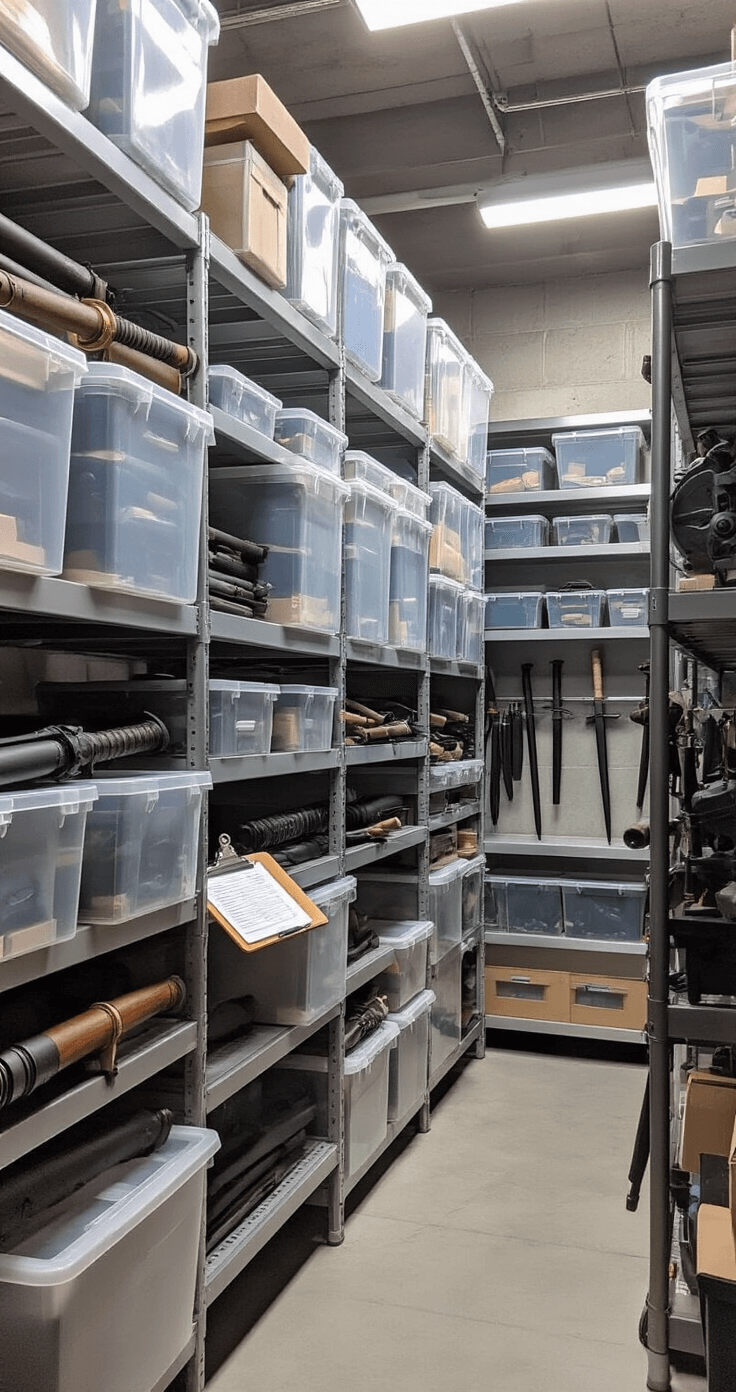
When moving props during theater productions, I use clear prop storage containers so everyone can see what I’m carrying. It prevents those awkward moments when someone thinks you’re sneaking around with actual weapons.
Never leave prop weapons unattended.
Not on tables. Not propped against walls. Not “just for a second while I grab coffee.”
In theater, a designated props master physically hands weapons to performers immediately before use and takes them back immediately after. Nobody else touches them. This chain of custody prevents accidents and establishes clear responsibility.
How to Carry Your Prop Without Looking Like a Maniac
Prop weapons must be carried safely—which means not like you’re charging into battle.
The prohibited behaviors that get props confiscated:
- Swinging weapons while walking
- Pointing guns at people (even obviously fake ones)
- Mock combat in crowded spaces
- Brandishing weapons to look intimidating
- Using props to push through crowds
I’ve watched security tackle someone who thought it would be funny to “threaten” their friend with a foam axe in a crowded hallway. The friend laughed. Security didn’t. The weekend ended badly.
Oversized props get special attention from security because they’re hazardous in crowds.
That ten-foot Cloud Strife sword? You’ll get directed to security for special inspection and handling instructions. Sometimes they’ll require you to leave it at coat check except for scheduled photoshoot times.