
DIY Themed Desk Mats: Transform Your Workspace Into Something You Actually Love
Creating a themed desk mat changed everything about how I feel sitting down to work.
I used to stare at my boring beige desk every morning and feel absolutely nothing. No excitement, no inspiration—just another day at the same old surface.
Then I spent one Saturday afternoon making my first custom desk mat, and suddenly my workspace felt like mine.

Why Your Desk Deserves Better Than Generic
Look, I get it. You’ve seen those $80 designer desk mats online and thought “that’s ridiculous for a piece of fabric.”
But here’s what nobody tells you: you can make something ten times better for a fraction of that cost.
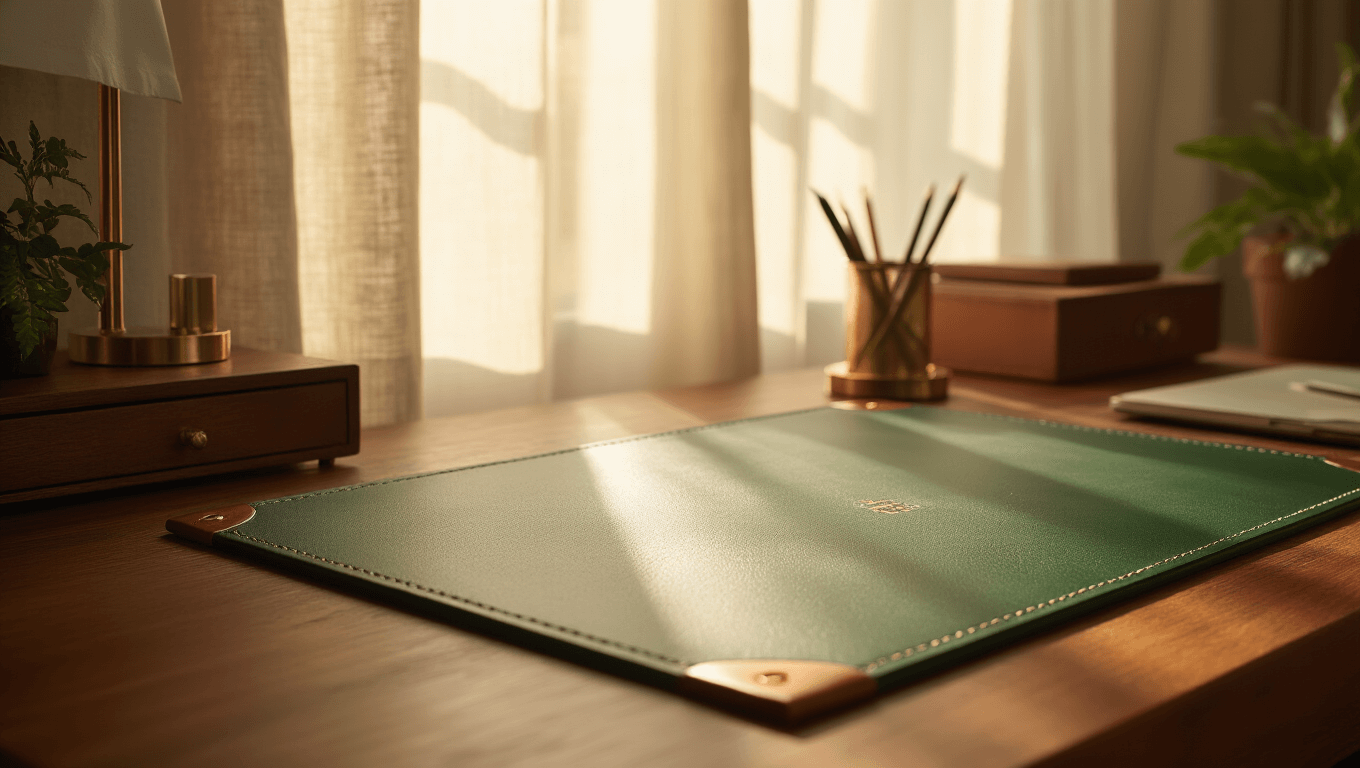
I’ve made seven different themed desk mats over the past two years, and each one cost me between $15 and $45. The $45 one? That’s my genuine leather desk mat that looks like it belongs in a fancy design magazine.
The real magic happens when you pick a theme that actually speaks to you. Not what’s trending. Not what some influencer says you should have. What makes YOU excited to sit down and get things done.
The Themes That Actually Work (And Why Most People Choose Wrong)
I learned this the hard way with my first attempt.
I went for a trendy geometric pattern because it looked cool on Pinterest. Spent hours cutting perfect triangles and arranging them just so.
Sat down the next morning and felt… nothing.
Turns out, looking at someone else’s aesthetic all day is exhausting.
Here’s what I’ve learned about themes that stick:
Nature themes work when you’re stuck inside all day
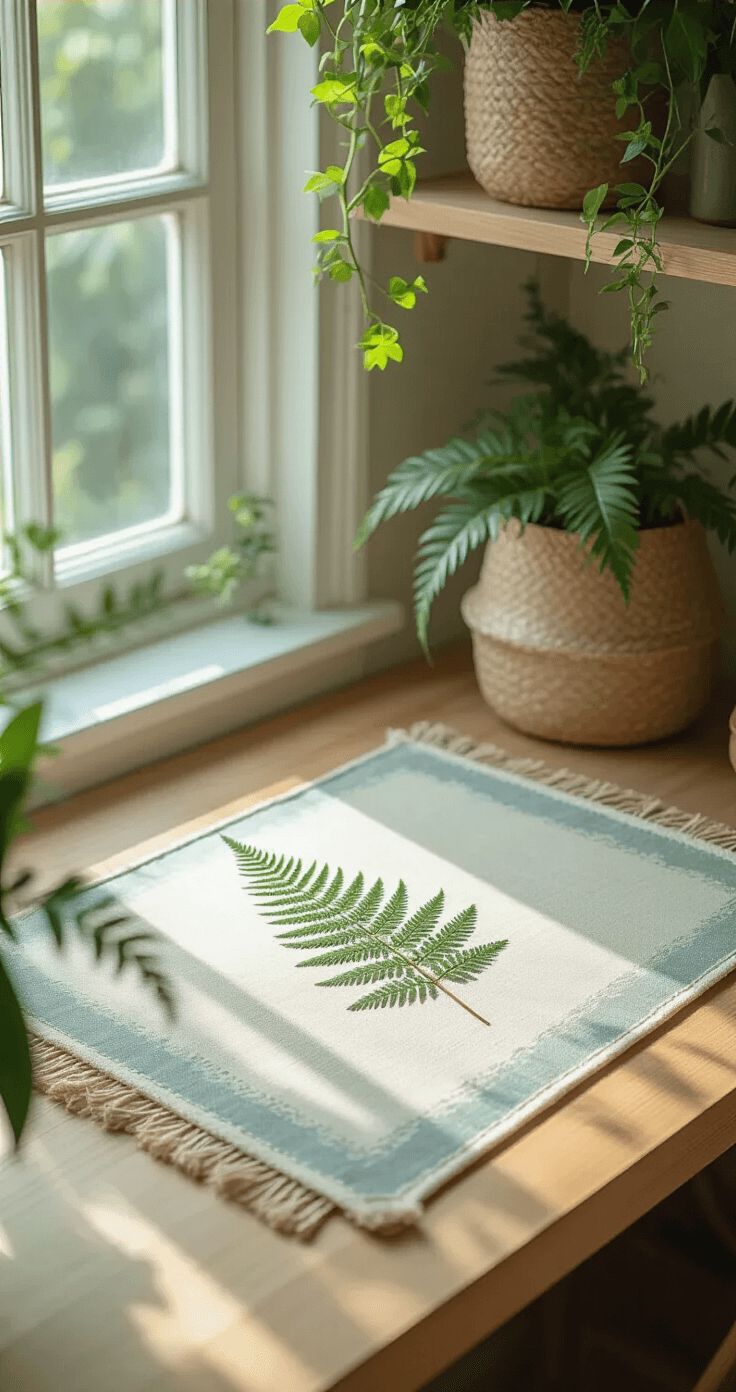
I created a botanical mat covered in pressed flower designs when I realized I hadn’t been outside in three days straight. Every time I looked down, I saw greenery and blooms. Sounds cheesy, but it genuinely helped.
Use pressed flower kits or print high-quality botanical illustrations if you’re not patient enough to press your own.
Gaming themes need more than just logos
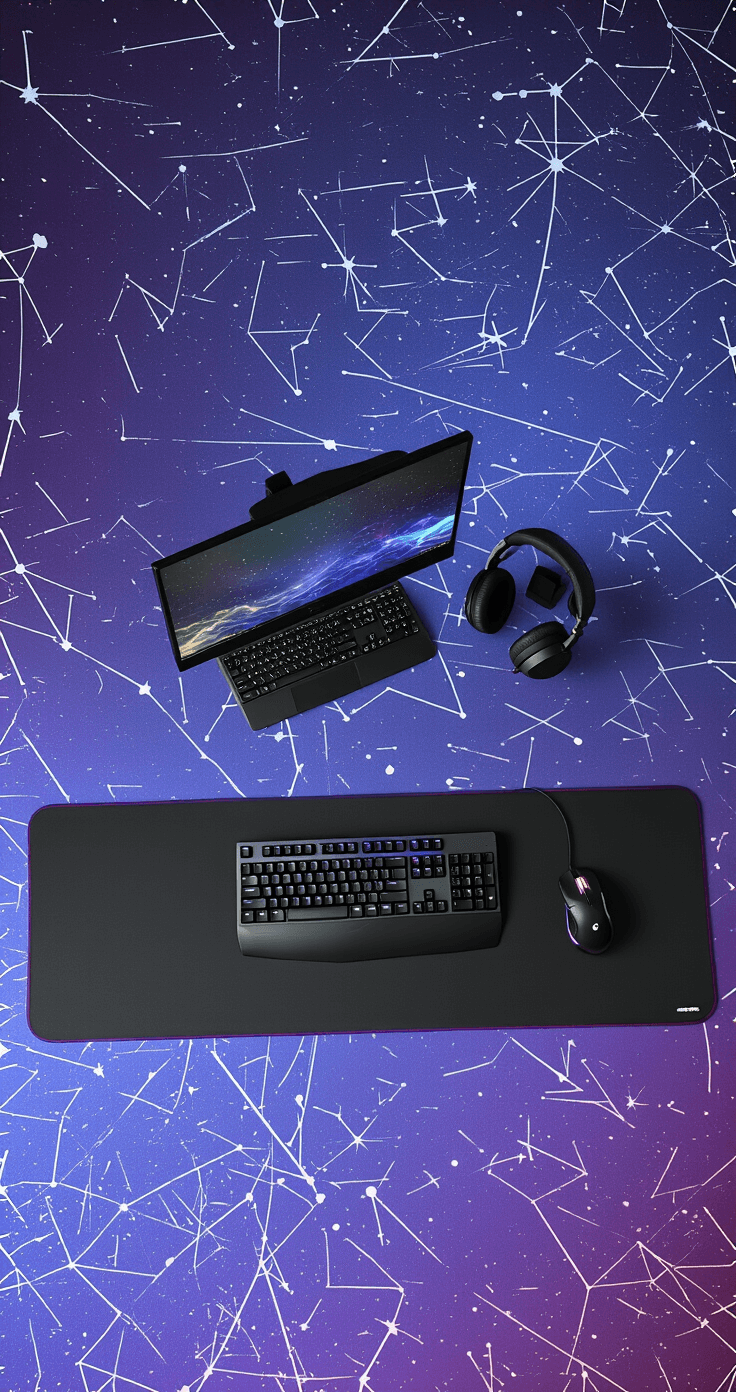
My brother wanted a gaming mat but didn’t want it screaming “gamer” to anyone who walked by. We went with a subtle cosmic theme—deep purples and blues with constellation patterns. Gaming aesthetic without the cringe.
Travel themes work best when they’re personal
Instead of a generic world map, I used a vintage map of the exact route my grandparents took when they emigrated. Every coordinate means something.
Minimalist doesn’t mean boring
One color. One texture. Maybe your initials in the corner. That’s it. Sometimes the most powerful design is the one that gets out of your way.
Wellness reminders that don’t feel preachy
I added tiny text at the top of mine: “Drink water. Stretch. You’re doing fine.” Sounds ridiculous, but on rough days, I actually read it.
Vintage aesthetics that tell a story
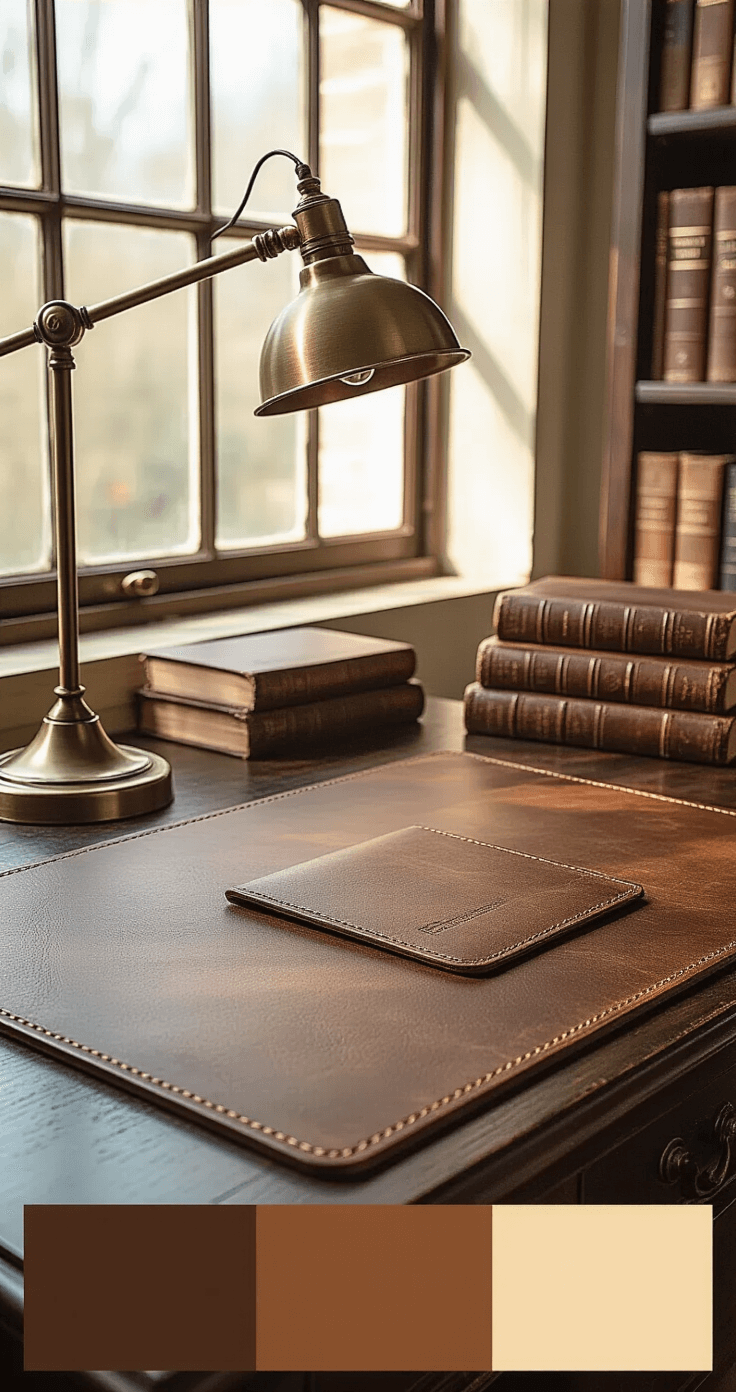
Old library cards. Vintage postage stamps. Typewriter fonts. These work beautifully if you love that warm, worn-in feeling.
What You Actually Need (No Fancy Craft Store Required)
I’m going to be straight with you—most DIY tutorials overcomplicate this.
Here’s what I actually use:
For the absolute beginner (budget: $15-25):
- Cardboard from Amazon boxes (free)
- Fabric remnants from any craft store ($5-10)
- Spray adhesive ($8)
- Felt backing ($5)
For the “I want this to last” version (budget: $40-60):
- Thin MDF board cut to size ($10)
- Faux leather fabric ($15-25)
- E6000 glue ($6)
- Woven trim tape for edges ($8)
- Quality felt backing ($5)
For the actual sewers among us:
- Your chosen fabric
- Fusible fleece
- Sewing machine
- Basic thread
That’s it.
I don’t care what Pinterest tells you—you don’t need seventeen different materials and a Cricut machine.
How I Actually Make These (The Real Process, Not The Instagram Version)
Step one: Measure twice, cut once, then measure again anyway
I’ve screwed this up enough times to know. Your desk is probably not the size you think it is.
Standard desk mats run 30-35 inches wide by 15-18 inches deep. But measure YOUR desk. Consider YOUR keyboard. Think about where YOUR mouse actually travels.
Step two: Pick your construction method based on your actual skill level
The sewing route (if you know your way around a machine):
Cut your fabric and fusible fleece to size. Iron them together. Sew around the edges. Done.
This is honestly the most forgiving method because fabric hides mistakes beautifully.
The gluing route (my personal favorite):
Cut your base board to size. Spray adhesive on one side. Lay your fabric or leather down carefully. Smooth out bubbles working from center to edges. Wrap excess around the back. Secure with more adhesive.
The critical part nobody tells you: Let it cure for 24 hours before touching it. I ruined my first leather mat by being impatient.
Step three: Edge finishing makes or breaks the whole thing
This is where amateur mats look amateur.
I use woven trim tape around all edges because it covers mistakes and looks intentionally designed. Hot glue that tape down in small sections, not one continuous line.
Step four: The backing that saves your desk
Cut felt slightly smaller than