Mastering Prop Lighting: The Ultimate Guide to Stunning Visual Storytelling
Contents
- Mastering Prop Lighting: The Ultimate Guide to Stunning Visual Storytelling
- Why Lighting Makes or Breaks Your Props
- The Magic of Diffused Light
- Layered Lighting Techniques
- Color and Mood: Using Gels and Backgrounds
- Natural vs. Artificial Lighting
- Quick Pro Tips
- Common Lighting Mistakes to Avoid
- Final Thoughts
Photography and prop styling are an art form, and lighting is the secret sauce that transforms good shots into breathtaking visual narratives. Let me break down how to make your props sing with light.
Why Lighting Makes or Breaks Your Props
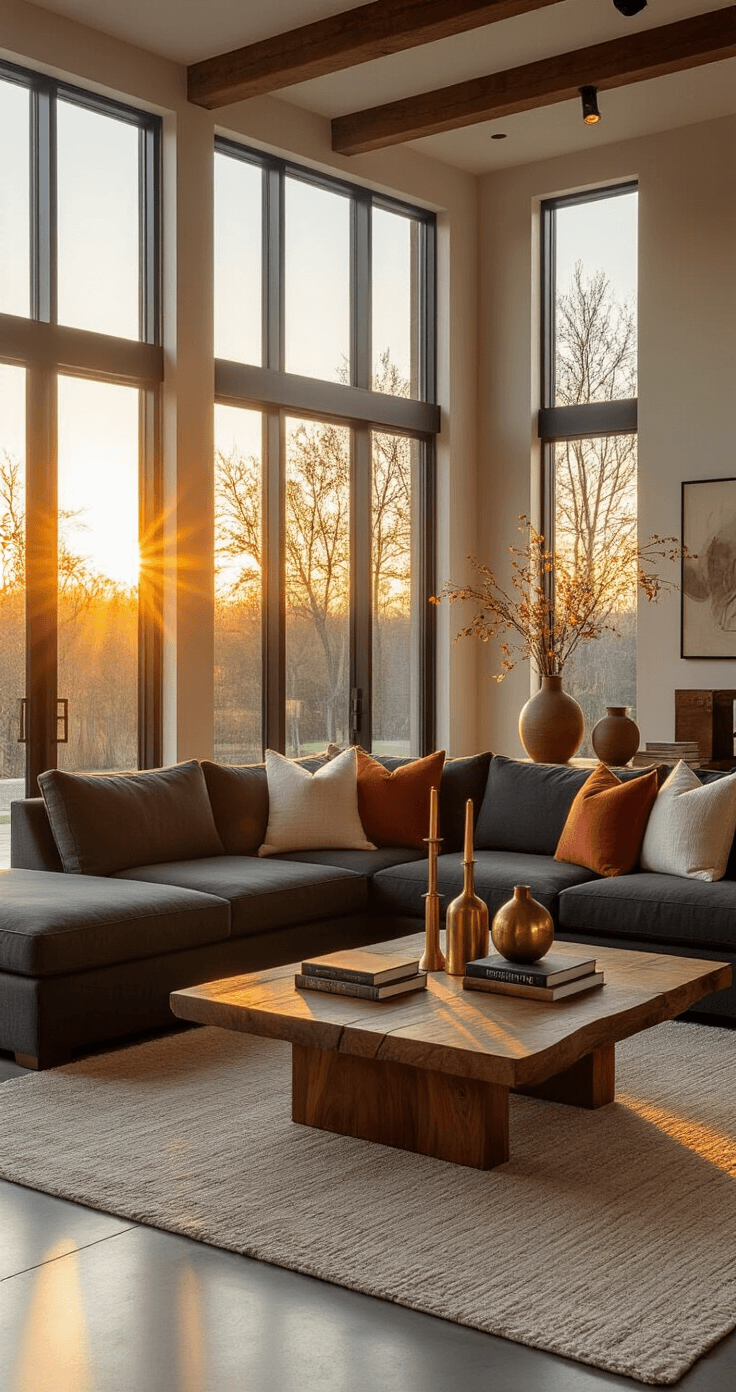
Imagine spending hours crafting the perfect prop, only to have it look flat and lifeless in photos. That’s where strategic lighting comes in. The right illumination can:
- Highlight intricate textures
- Create depth and dimension
- Evoke specific moods
- Make ordinary objects look extraordinary
The Magic of Diffused Light
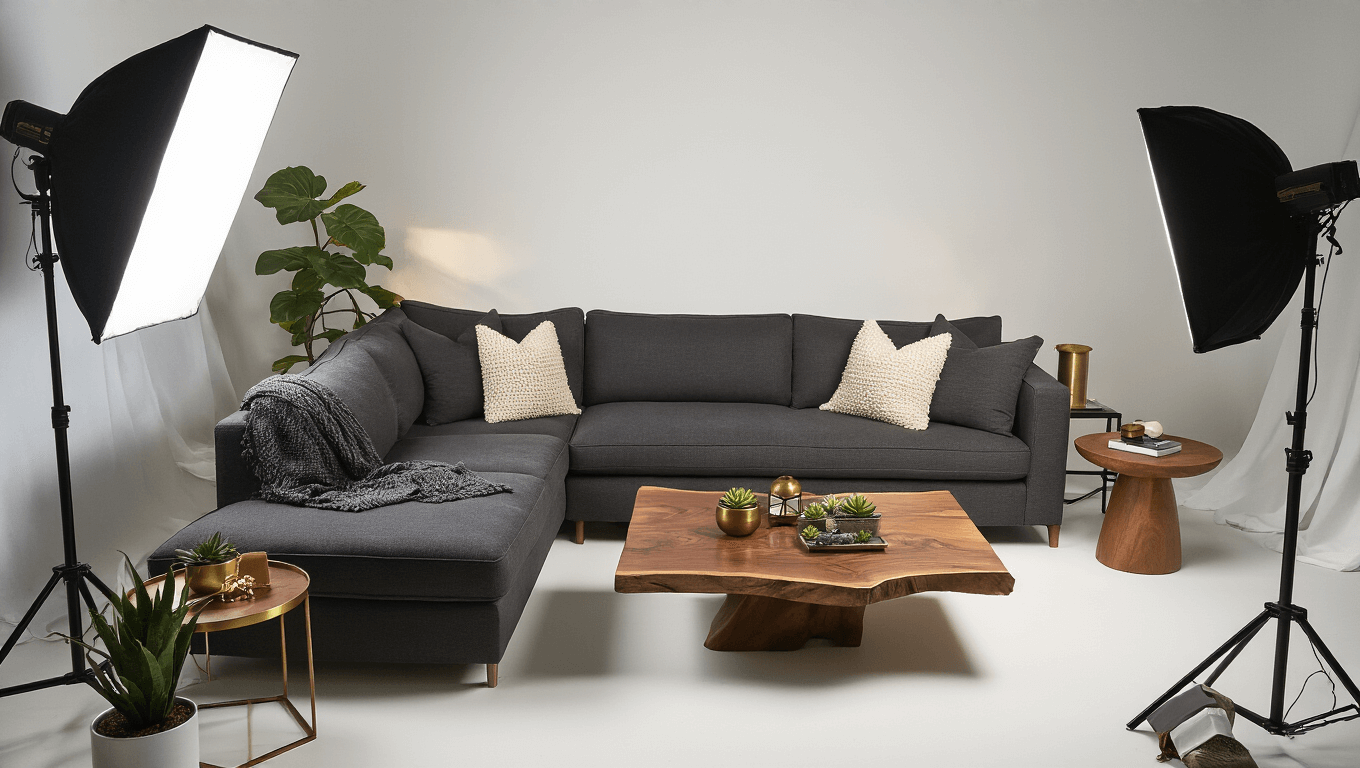
Harsh shadows are the enemy of great prop photography. Soft, diffused light is your best friend. Here’s how to achieve it:
Tools for Perfect Diffusion
Pro Tip: Position your diffusion material between the light source and your prop. This creates a soft, even glow that eliminates harsh shadows.
Layered Lighting Techniques
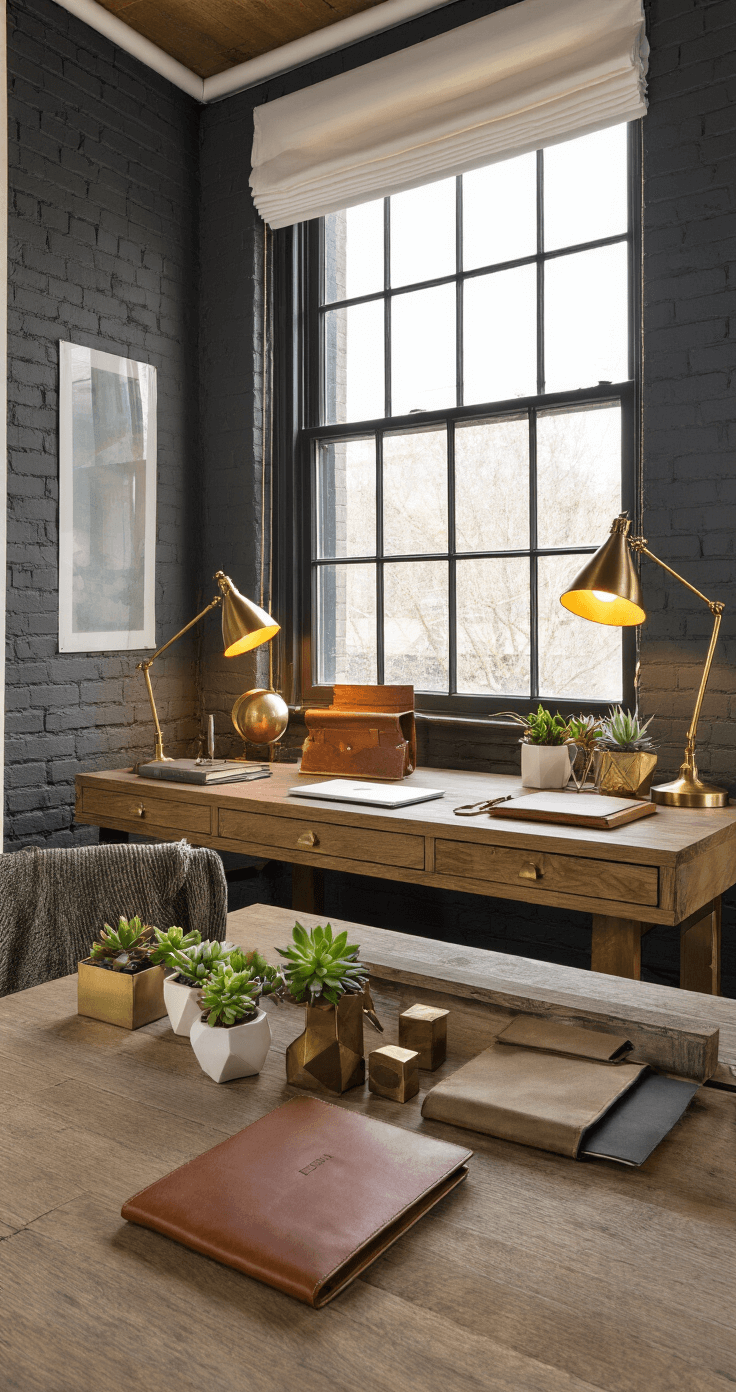
1. Key Light
Your primary light source that provides overall illumination. Place it at a 45-degree angle to your prop for the most flattering effect.
2. Fill Light
Softens shadows created by the key light. A simple reflector can work wonders here.
3. Accent Lights
These are your secret weapon for adding drama and depth. Side or back lighting can:
- Create separation from the background
- Highlight unique textures
- Add a professional touch to your shots
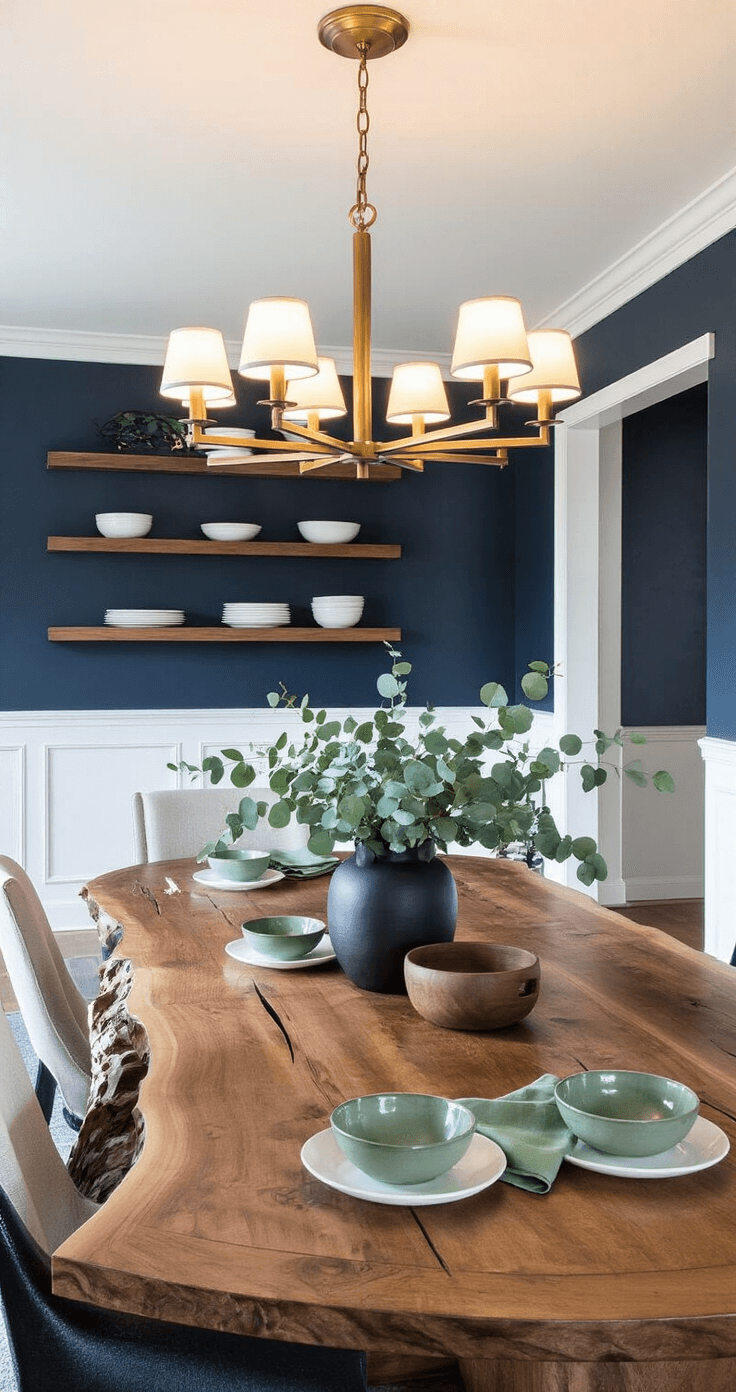
Color and Mood: Using Gels and Backgrounds
Color Changes Everything
- Warm gels create cozy, intimate vibes
- Cool gels suggest sophistication or mystery
- Complementary background colors can make props pop
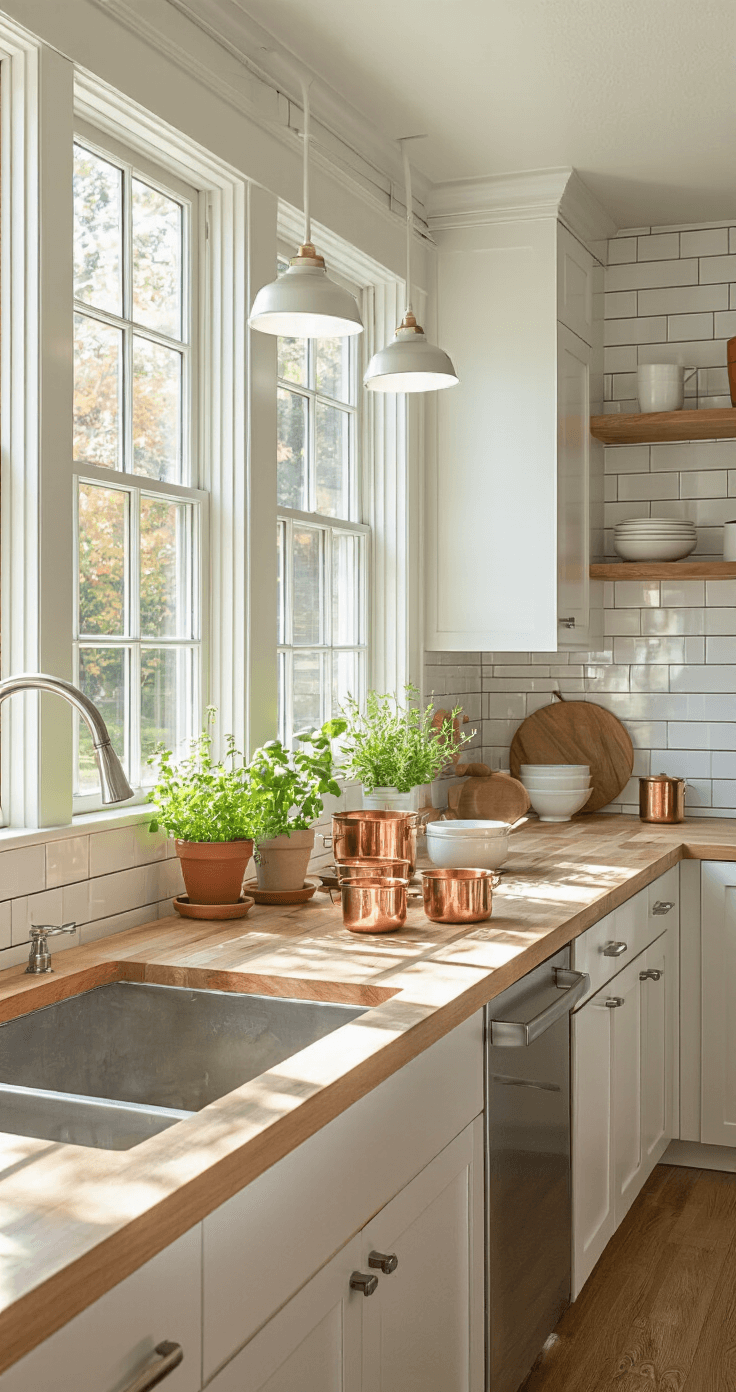
Natural vs. Artificial Lighting
Natural Light Pros:
- Soft, organic feel
- Free
- Constantly changing
Artificial Light Pros:
- Consistent
- Fully controllable
- Works any time of day
Quick Pro Tips
- Experiment: Move lights, change angles
- Check Reflections: Avoid distracting glares
- Use Reflectors: Bounce light to fill shadows
- Test, Test, Test: Take multiple shots
Common Lighting Mistakes to Avoid
- Overlighting (washing out details)
- Too many competing light sources
- Ignoring background interactions
- Forgetting to check actual photo results
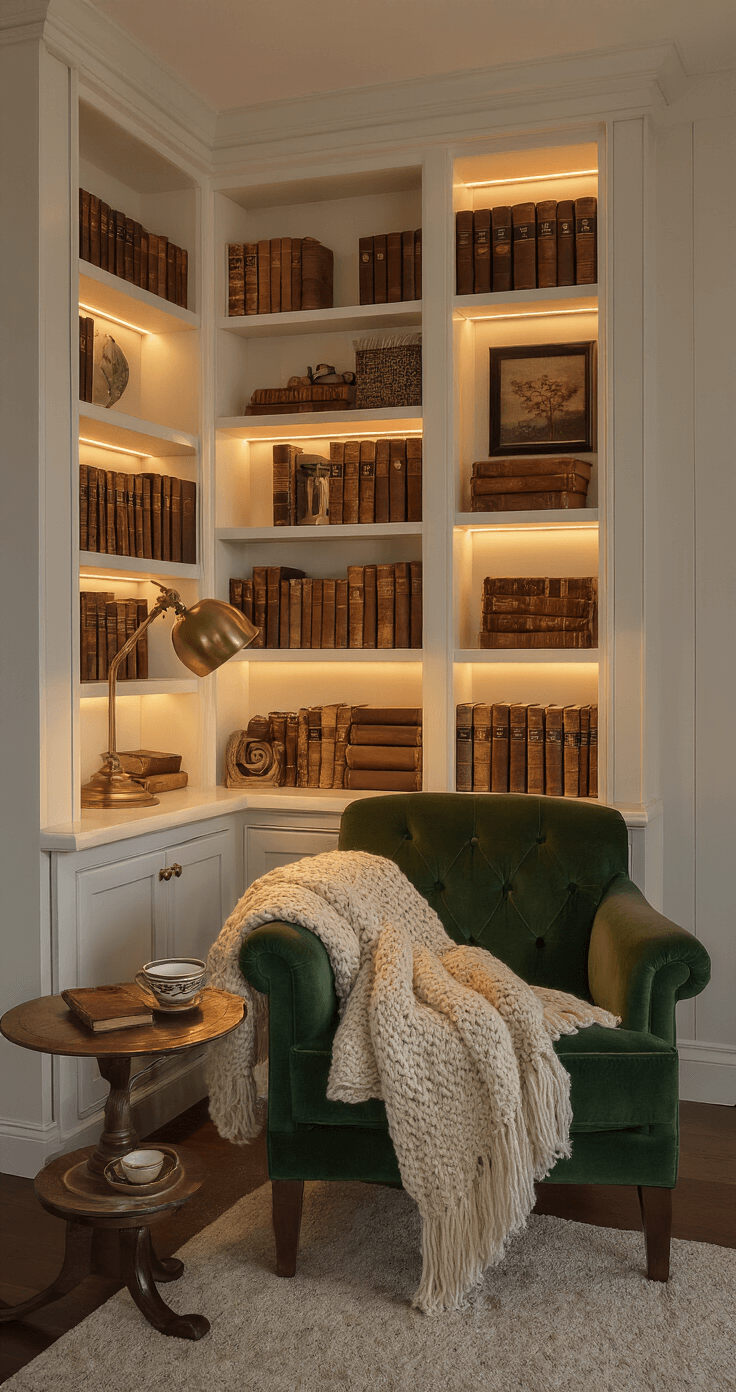
Final Thoughts
Lighting is both a science and an art. The more you practice, the more intuitive it becomes. Don’t be afraid to break rules and develop your unique style.
Recommended Gear:
Remember, great prop lighting isn’t about expensive gear—it’s about understanding how light interacts with surfaces and tells a story.