How I Finally Stopped Losing My Favorite Earrings (And Found Space I Didn’t Know I Had)
Contents
Organizing accessories by type transformed my chaotic closet into a space where I can actually find things without dumping everything onto my bed.
I used to spend twenty minutes every morning digging through tangled necklaces and mystery piles of scarves. Sound familiar? You’re running late, you need that ONE belt, and somehow every accessory you own has formed a vengeful knot in the back of your drawer.
Let me walk you through what actually works.
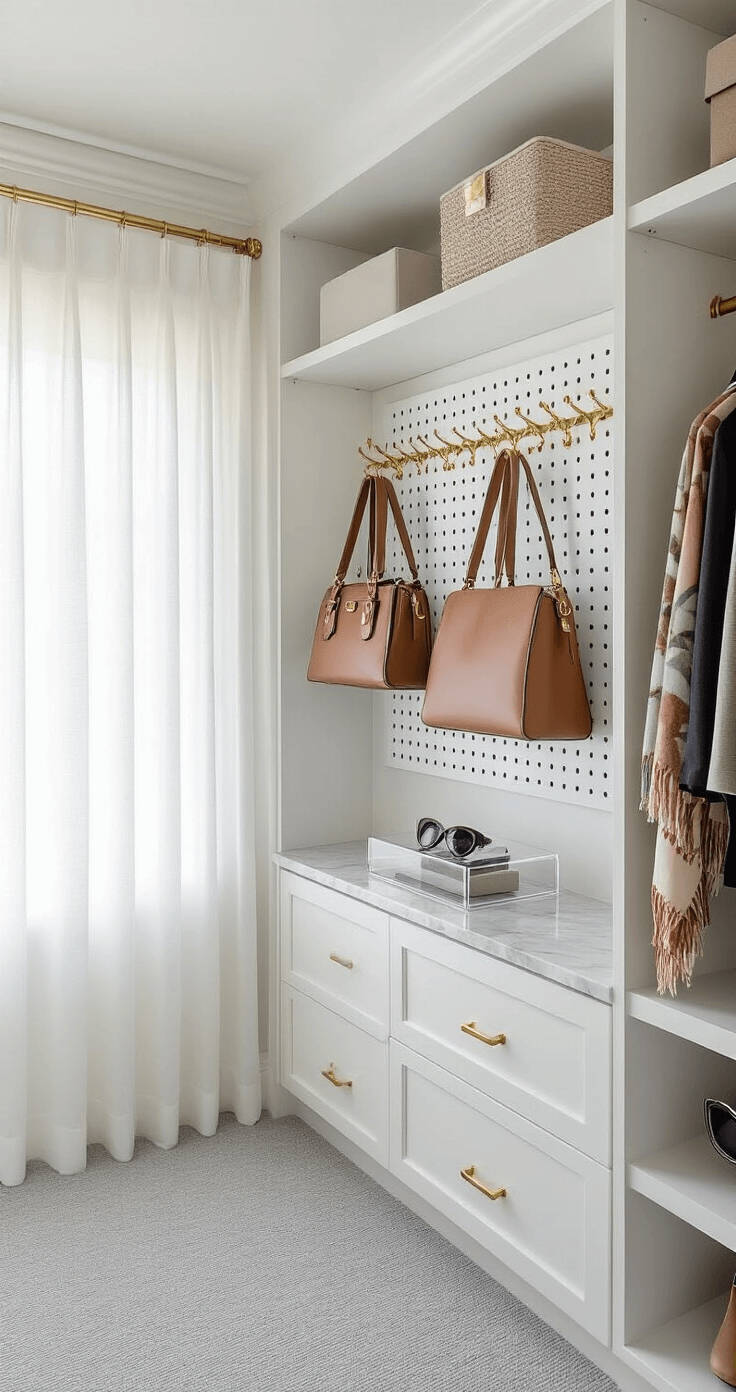
Why Grouping By Type Changes Everything
Here’s the thing about accessories—they multiply like rabbits and hide like ninjas.
When you organize accessories by type, you’re not just tidying up. You’re creating a system where your brain knows exactly where to look. Scarves live with scarves. Belts hang with belts. No more archaeological digs through mixed-up drawers.
The benefits hit you immediately:
- You can see your full collection (turns out I owned five black belts)
- Items stay in better condition when stored properly
- Getting dressed takes minutes instead of an eternity
- You stop buying duplicates of things you already own
Scarves: Stop The Tangle Madness
I learned this the hard way after ruining a silk scarf by jamming it into a drawer with seventeen others.
Here’s what actually works:
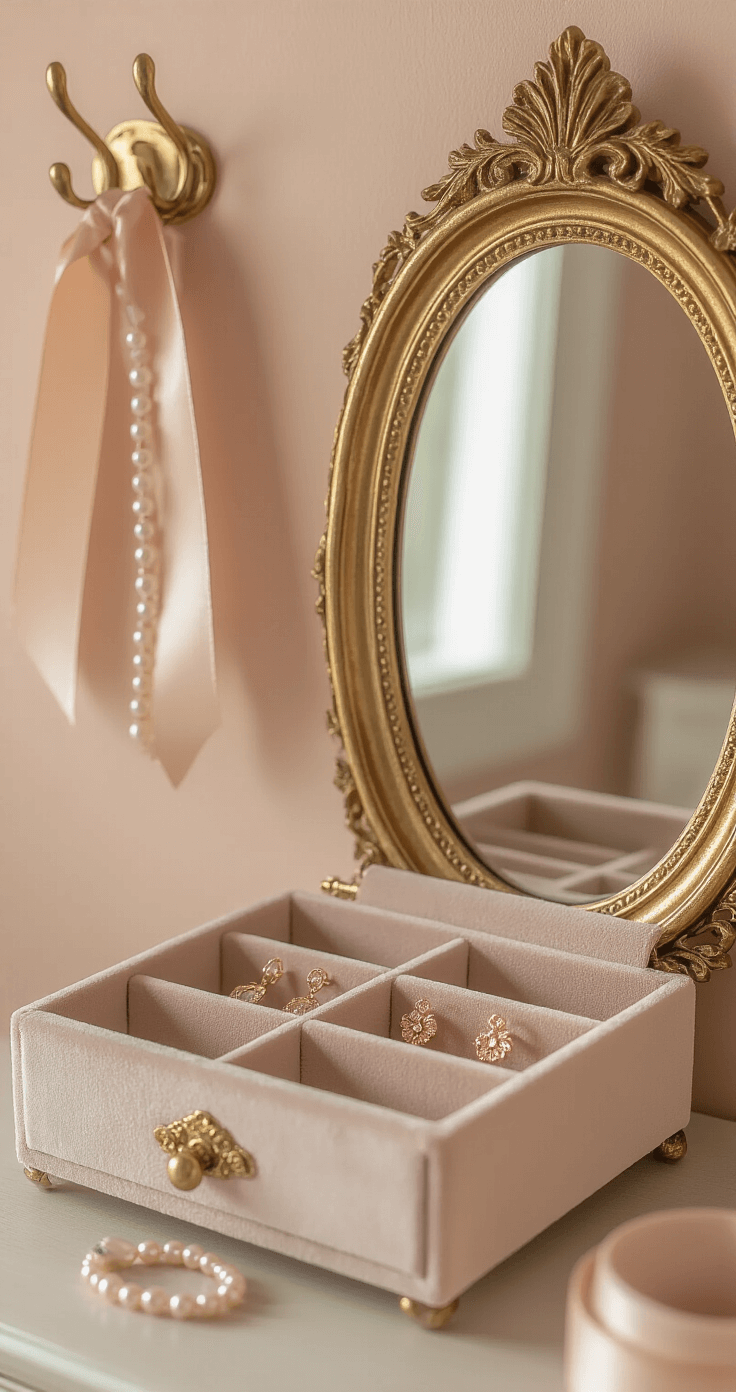
Install a scarf rack with multiple hooks on your closet wall or door. Each scarf gets its own hook. No tangling. No wrinkles. You can see every pattern at a glance.
Don’t have wall space? Grab a single velvet hanger and loop a dozen scarves through it. They stay put and don’t slide off like they do with plastic hangers.
For bulkier winter scarves, I use a deep accessory tray in my dresser. Roll them loosely so you can see each one without having to lift the whole pile.
Belts: The Rolling Problem Nobody Talks About
Belts are weird. Leave them in a drawer and they either turn into pretzels or the buckles scratch everything around them.
My solution:
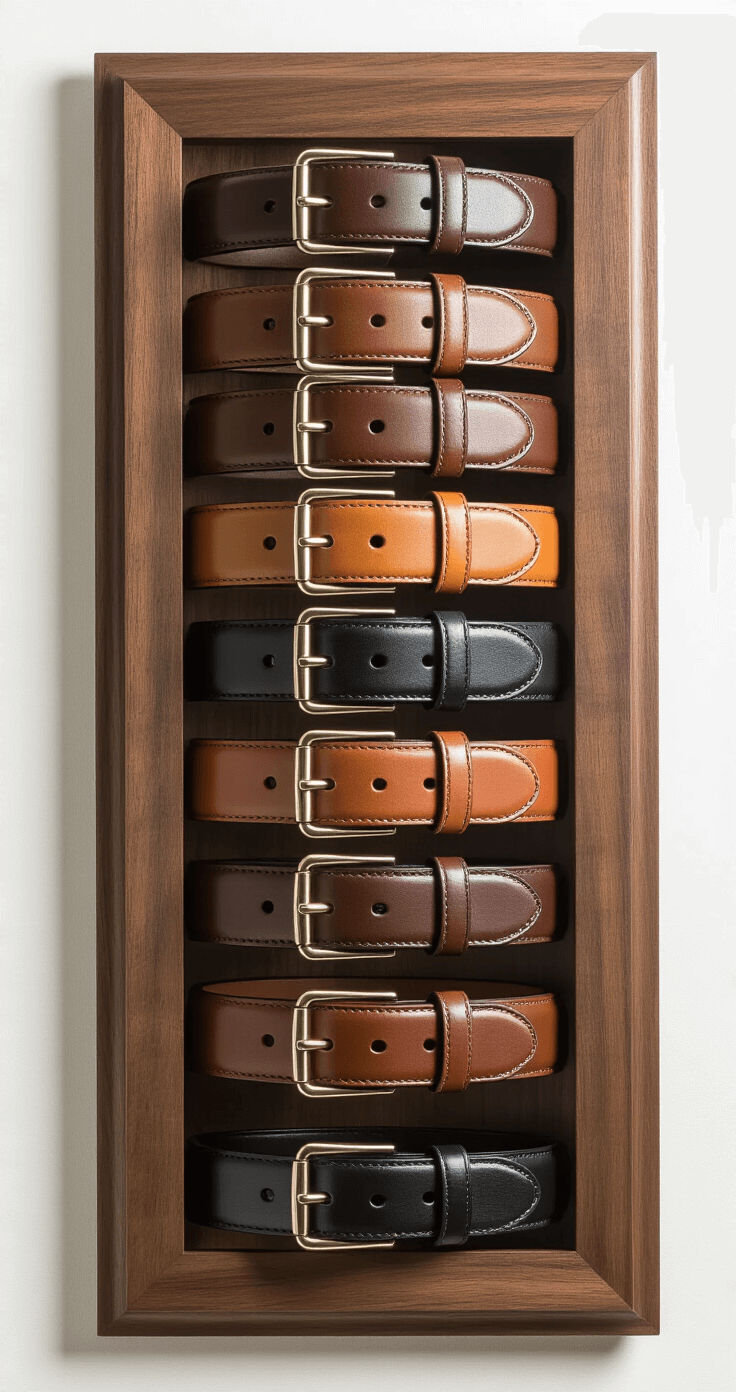
A sliding belt rack changed my life. Mine holds about six belts, hangs in my closet, and pulls out when I need it. Each belt loops over its own hook. The leather stays flat. The buckles don’t stab anything.
If you’ve got more belts than that, mount a belt hook organizer to your closet wall. Vertical storage saves space and keeps everything visible.
Pro tip from my own mistakes:
Don’t hang heavy chain belts with delicate leather ones. The weight stretches the leather over time. Ask me how I know.
Ties: For Those Who Wear Them
I’ll be honest—I don’t wear ties daily. But I helped my partner organize his collection, and holy hell, he had ties everywhere.
A tie rack with 20 hooks mounted inside the closet door solved everything. Each tie hangs individually. No wrinkles. No hunting.
He can grab what he needs without disturbing the others. It’s like a tiny tie library, and yes, he geeks out about it.
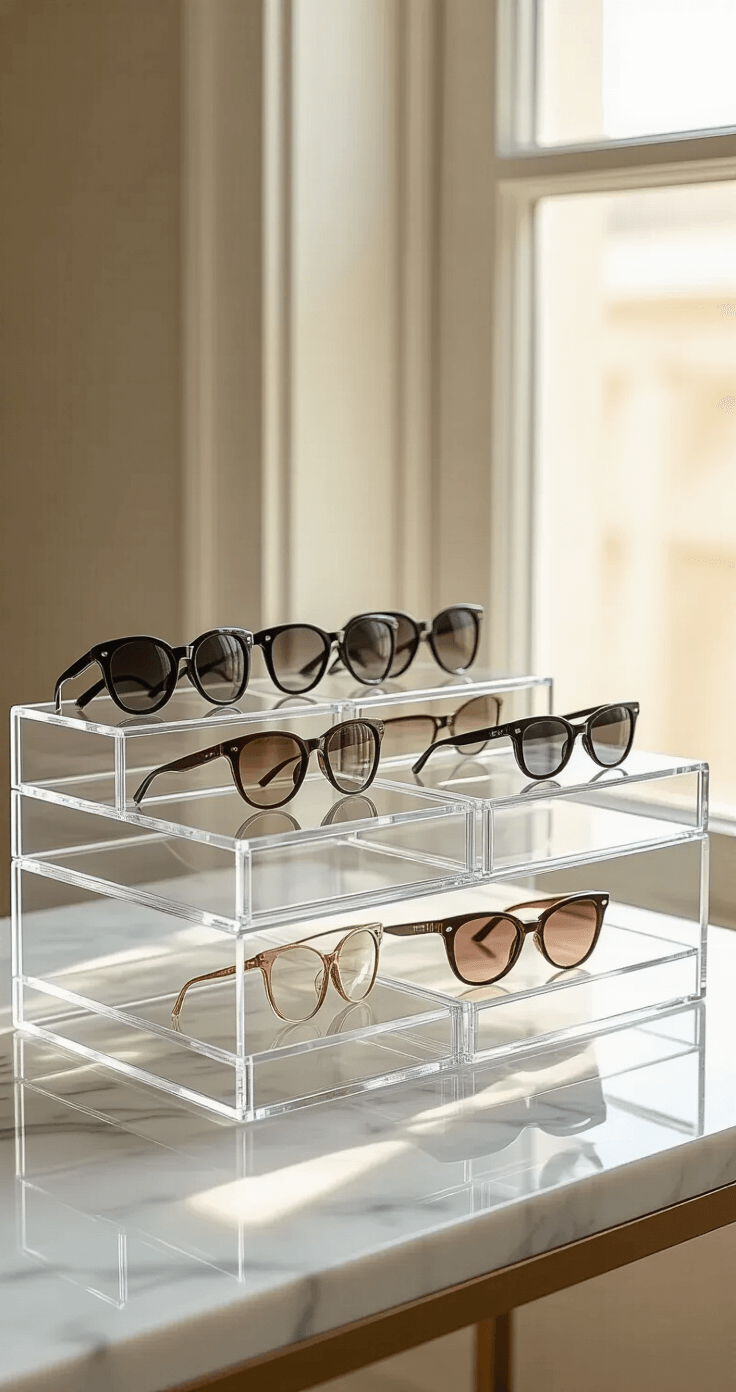
Jewelry: The Small Stuff That Disappears
This category nearly broke me.
Earrings vanish into alternate dimensions. Necklaces mate and produce impossible knots. Rings roll under furniture and hide for months.
Here’s my current system that actually works:
For Drawers
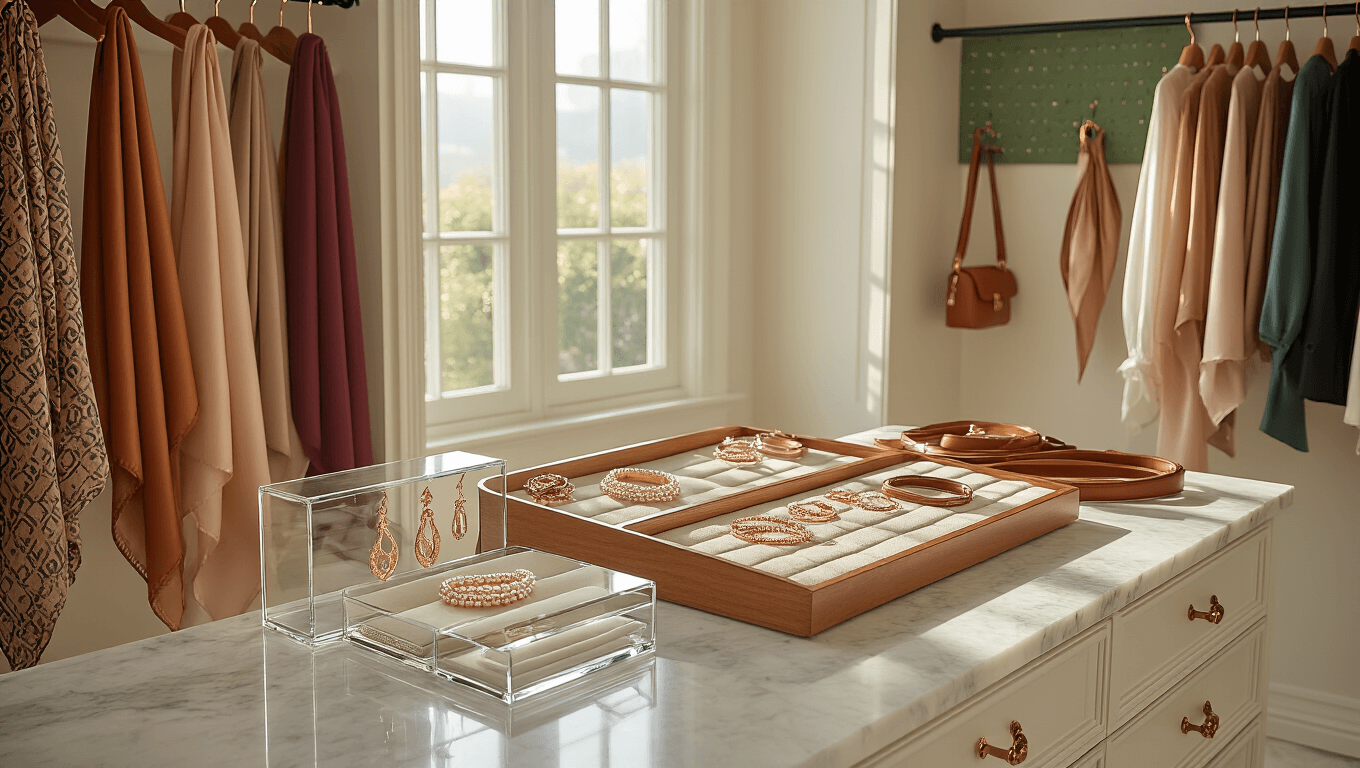
Get shallow jewelry trays with divided compartments. I use three:
- One for rings and bracelets
- One for earring pairs (kept together, because life’s too short)
- One for necklaces laid flat
Line the bottom with felt or velvet liner to prevent scratching and keep things from sliding around.
For Walls (My Favorite Discovery)
I made a DIY display that cost about three dollars. Two small nails in my wall. String ribbon or decorative chain between them. Hang earrings and necklaces directly on the ribbon.
Suddenly my jewelry became decoration AND storage. I can see everything. Necklaces don’t tangle. It looks intentional instead of chaotic.
The Fancy Option
If you’ve got the budget, jewelry armoires are gorgeous. They’re like tiny organized kingdoms for your accessories. Hooks, compartments, drawers—everything has a home.
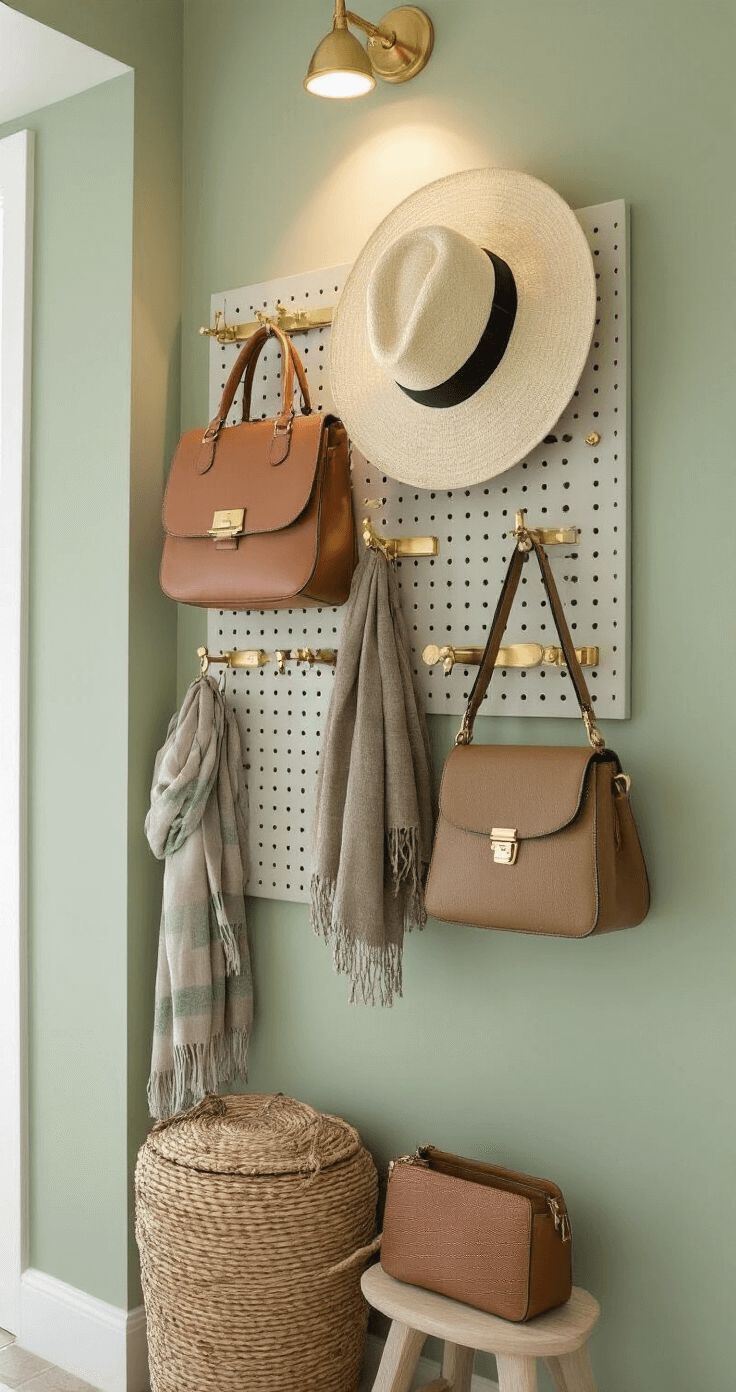
Bags and Purses: The Space-Eaters
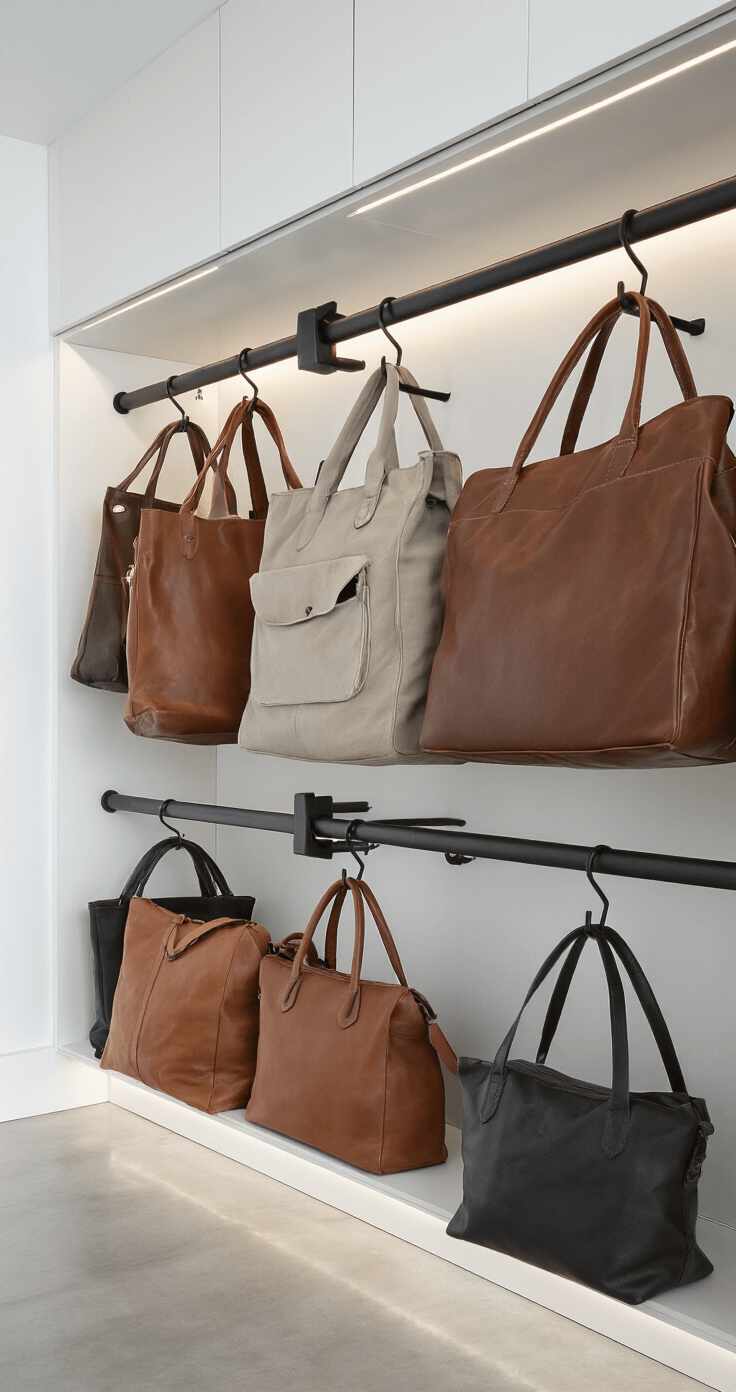
Large bags take up ridiculous amounts of space. I used to stack mine on a shelf where they’d topple over like drunk dominoes every time I grabbed one.
The nesting doll approach:
Store smaller clutches and pouches inside larger bags. Keeps the larger bags from collapsing. Protects smaller bags from getting crushed. Saves shocking amounts of space.
For bags you use regularly: