

How to Make an Epic Pyramid Head Cosplay That Actually Looks Scary
Contents
Making a Pyramid Head cosplay is honestly one of the coolest cosplay projects you can take on if you’re into horror gaming. I’m not gonna lie though, this costume is kinda intense to build. But if you’re willing to put in the work, the result is absolutely worth it. You’ll turn heads at every convention and probably scare a few people too. Let me walk you through how to build this thing from scratch, starting with that massive iconic helmet all the way down to the blood-stained skirt.
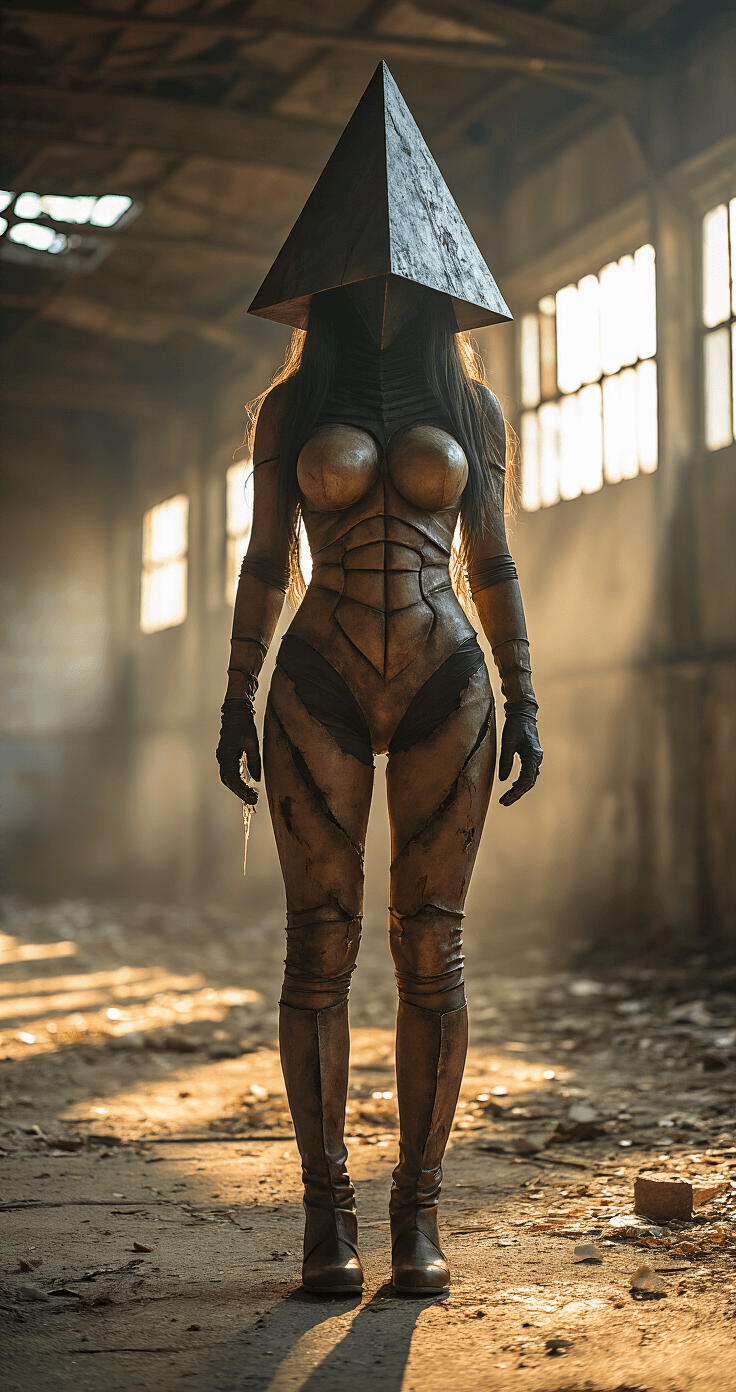
Why Pyramid Head Is Such a Killer Cosplay Choice
Look, I get it. You want a cosplay that stands out, something that makes people stop and go “whoa, that’s incredible.” Pyramid Head does exactly that. The character from Silent Hill is terrifying, recognizable, and honestly just badass to pull off. Most people struggle with where to even start because the costume has so many weird elements—a giant pyramid on your head, a muscular torso that looks like raw flesh, and that ridiculous knife that’s almost as tall as you are.
But here’s the thing: once you break it down piece by piece, it’s totally doable. Even if you’ve never built a cosplay before, you can make this work with the right materials and a little patience. I’ve seen beginners nail this costume, and I’ve seen pros mess it up by overcomplicating things. The key is understanding what each piece needs to do and not getting overwhelmed by the whole project at once.
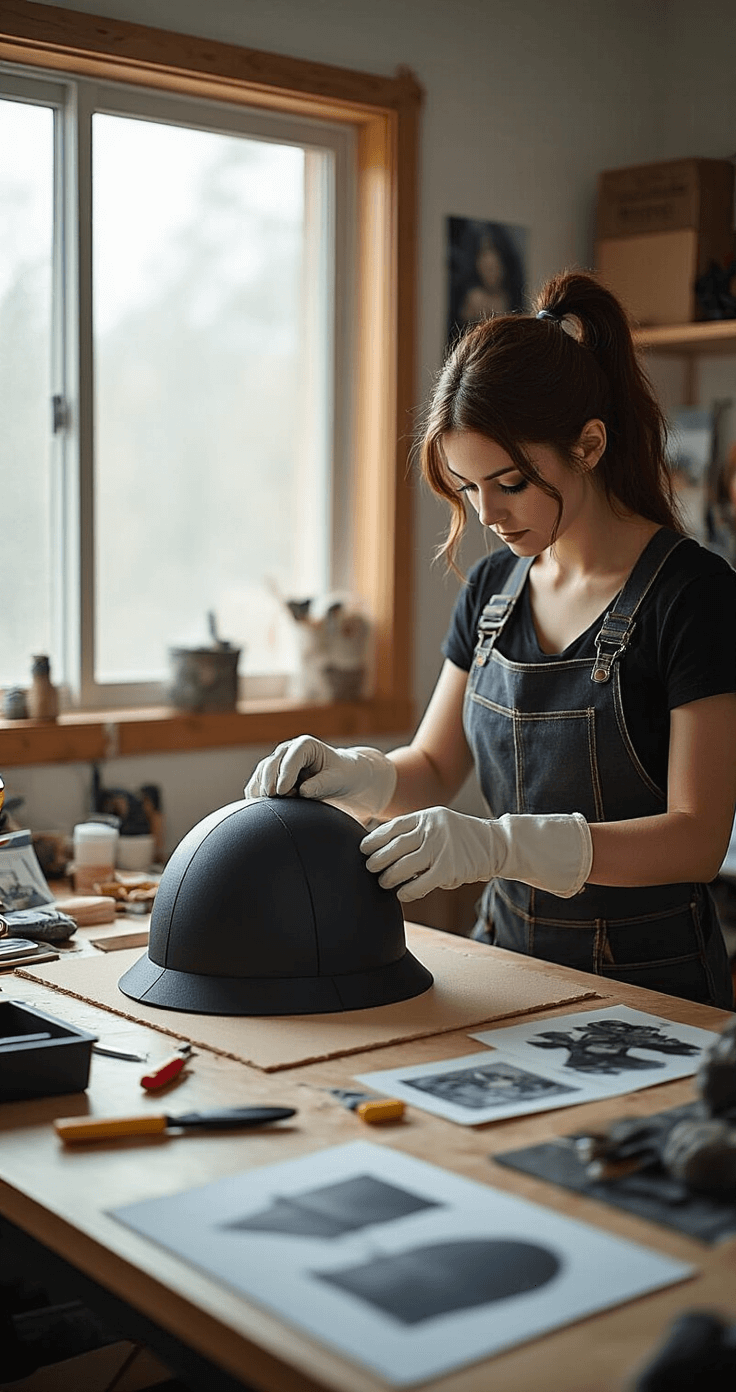
Building the Pyramid Helmet (The Star of the Show)
This is what everyone’s gonna notice first. The helmet is huge—we’re talking about 36 inches from bottom to top and about 20 inches side to side. That’s basically a traffic cone on steroids.
Picking Your Materials
Most builders use foam because it’s lightweight and way easier to work with than trying to make this thing out of actual metal. I recommend grabbing some 10mm EVA foam sheets as your main material. You’ll also want some 4mm craft foam for the detail strips that go around the helmet.
Some people use cardboard reinforced with bondo, which works too but gets way heavier. HD-foam is another option if you can find it—the whole helmet ends up weighing only about 2 pounds, which is pretty amazing when you consider the size.
Putting It Together
First, you need templates. You can find patterns online or make your own by mapping out the pyramid shape on paper first. Cut out your foam pieces carefully because these angles matter—if they’re off even a little bit, your pyramid’s gonna look wonky.
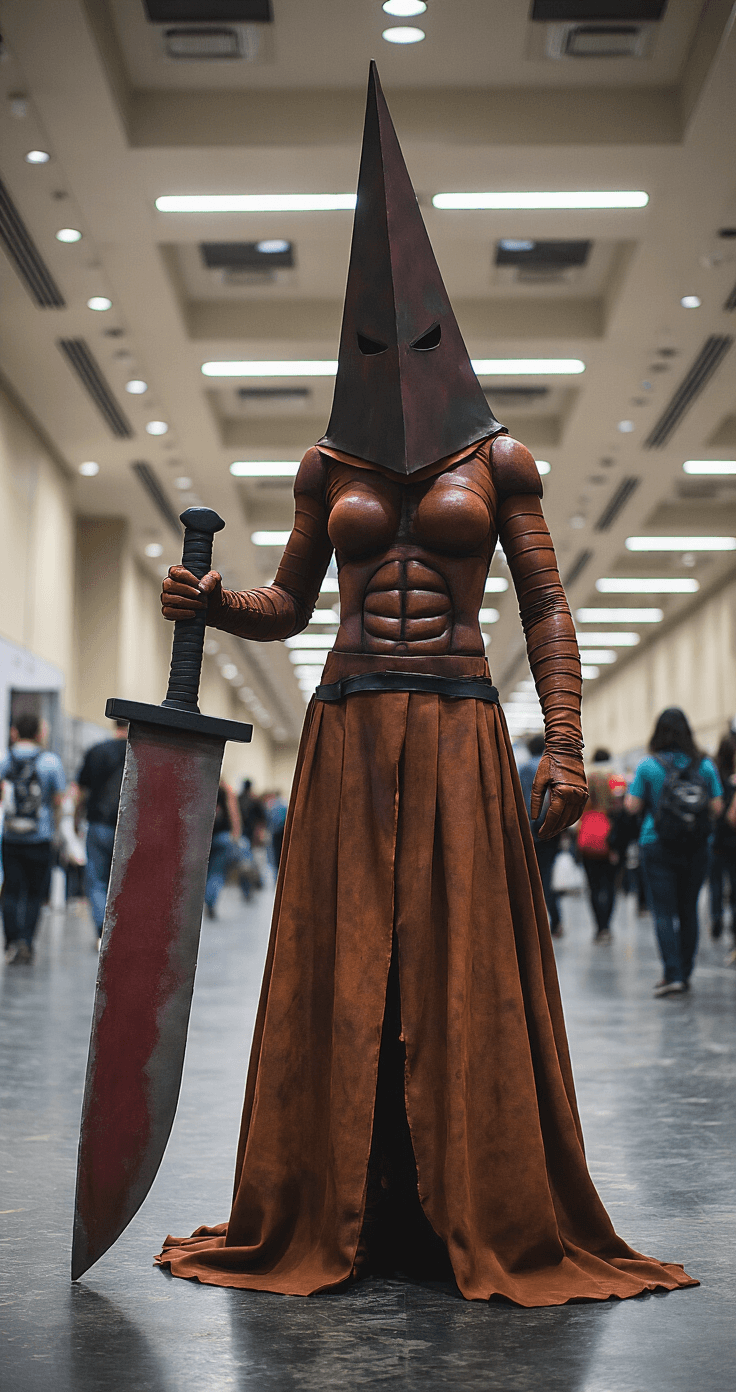
Heat seal the foam edges with a heat gun before you glue anything. This makes the foam more durable and gives you cleaner edges. Use contact cement like Weldwood to stick the pieces together. Work in a well-ventilated area because that stuff smells terrible and the fumes aren’t great for you. You’ll need to cut the edges at angles so they fit flush together—think of it like making a 3D puzzle where everything has to line up perfectly.
Add a center bar across the inside using EVA foam. This gives you structural support when you’re actually wearing the thing and keeps it from collapsing on your head.
Making It Look Gross (In a Good Way)
The helmet shouldn’t look clean and new. It needs to look like it’s been dragged through rust, blood, and about ten years of decay. Grab some textured acrylic medium and slap it on with a palette knife in multiple layers. This builds up that corroded, uneven surface that makes it look like actual old metal.
For paint, you want oranges, browns, tans, and faded reds. Layer them up to create rust effects. Don’t be shy with the weathering—this thing should look nasty. Some builders use foam clay to smooth out transitions between pieces and add extra texture details. It’s optional but makes the final product look more professional.
Creating the Body Suit That Looks Like Exposed Muscle
This part is what makes Pyramid Head so disturbing to look at. That torso looks like someone literally ripped the skin off and you’re seeing raw muscle underneath.
The Base Layer
You can either buy a pre-made silicone muscle suit and modify it, or make your own from scratch using flesh-colored Lycra. If you go the DIY route, you’ll need stretchy fabric that fits your body snugly. Sew it together with reinforced seams—use painters tape on the inside and fabric glue on the outside to make sure nothing splits when you’re moving around.
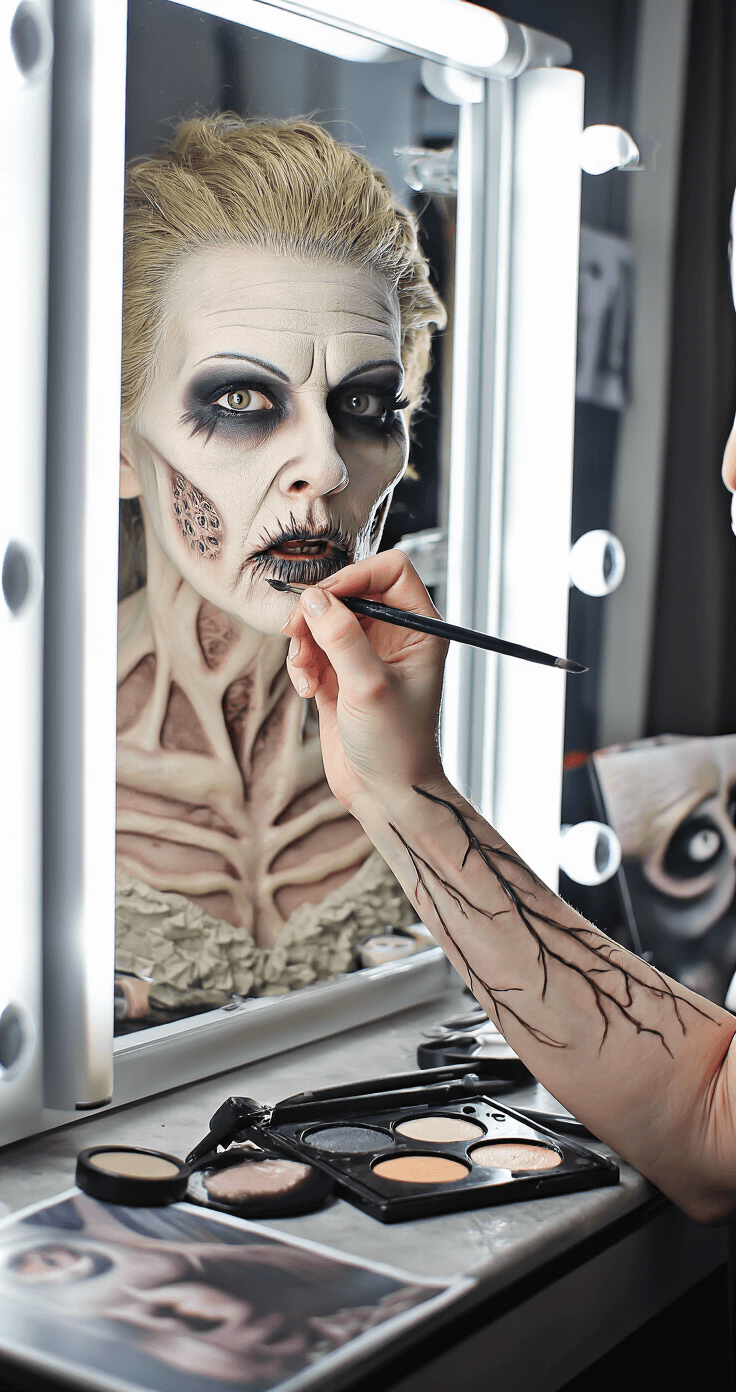
If you buy a pre-made suit, add a zipper up the back so you can actually get in and out of it. Then cover the zipper with a custom flesh panel so nobody sees it.
Painting the Muscle Definition
This is where the magic happens. Use multiple layers of tan and brown paint to create shadows and highlights that look like muscle definition. Think about where light would hit actual muscles and where shadows would fall. Airbrush if you have one, but regular acrylic paint works too if you blend it well.
Add heavy weathering at the top and bottom of the suit. Use dark reds and browns to simulate blood and gore like the character’s been walking through unspeakable things. Because, well, he has. Use puffy paint to create texture lines that look like stitched skin. This adds a three-dimensional element that makes the whole thing more believable.
Making the Distressed Skirt
The skirt is actually easier than it looks, but you gotta distress it properly or it’ll just look like a regular skirt.
Construction
Start with cotton fabric in a dark, dingy color. Sew it into a basic skirt shape with an elastic waistband. Then—and this is the fun part—cut it vertically up to the waistband in multiple places. Stitch the pieces back together using leather cord or thick thread so you can see the stitching clearly. This creates that tattered, pieced-together look that’s super characteristic of Pyramid Head’s design.
Weathering
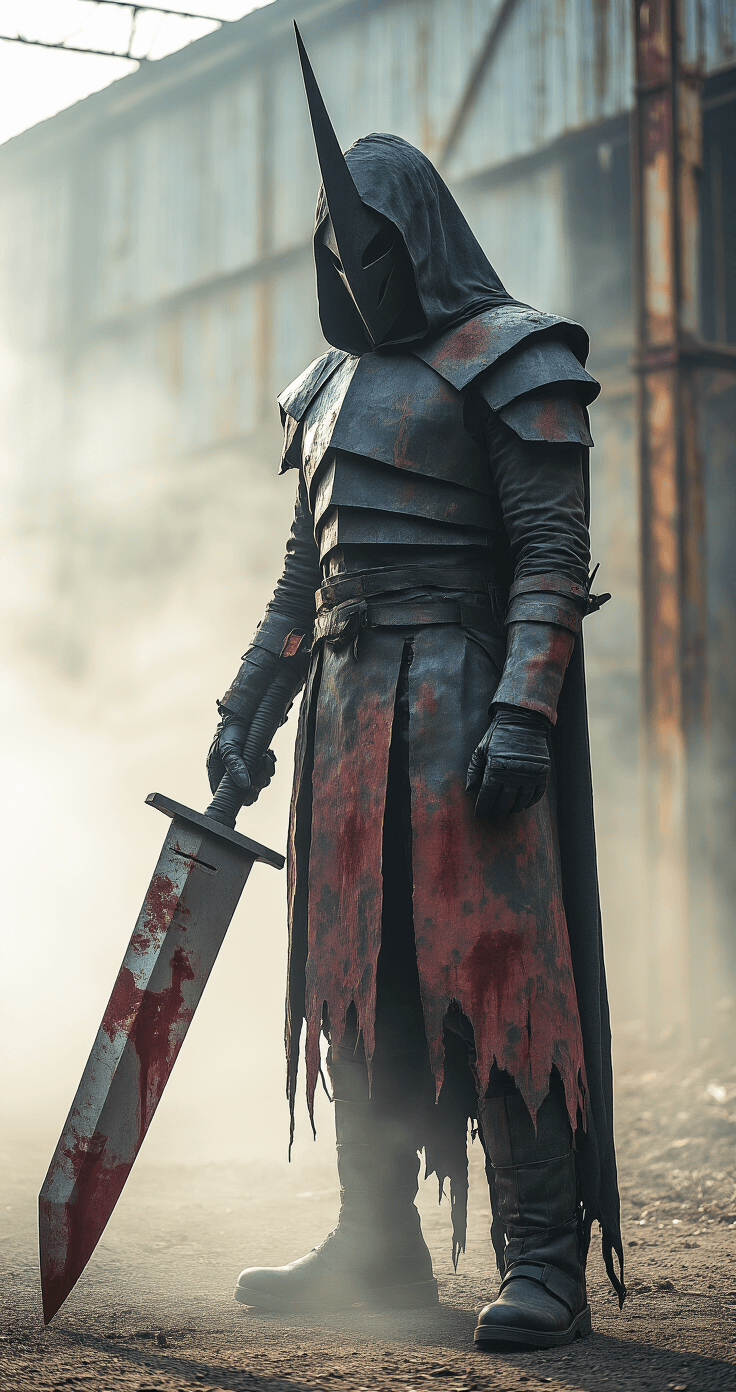
This needs to look like it’s been soaked in blood and dragged through dirt for years. Use an airbrush or sponge to apply dark colors concentrated at the top and bottom. The top should look stained from the torso above it, and the bottom should look like it’s been dragging through pools of blood. Layer different shades of red and brown—dried blood isn’t bright red, it’s more of a dark rust color.
Building the Great Knife (Yes, It’s Huge)
This weapon is almost comically oversized, which is exactly what makes it so iconic.
Foam Construction
Use stacked layers of 10mm foam for the main blade body. You can find