
Tips for Making a Small Room Feel Magical
Contents
I’ve squeezed myself into more cramped spaces than I care to admit, and I’m here to tell you something most design “gurus” won’t: small rooms can feel more magical than sprawling mansions if you know what you’re doing.
Stop apologizing for your square footage. I’m about to show you how to turn that shoebox bedroom or tiny studio into something that feels like stepping through a wardrobe into Narnia.
Why Your Small Room Feels Like a Prison Cell (And How We’re Fixing That)
Most people panic when dealing with small spaces. They paint everything white, shrink their furniture down to dollhouse proportions, and wonder why the room feels like a dentist’s waiting area.
I made every single one of these mistakes in my first apartment. The space felt smaller, not bigger, and about as magical as a parking garage.
Here’s what actually works.
Paint Your Walls Dark (Yes, Really)
Forget everything you’ve heard about painting small rooms white.
I know this sounds backwards, but stick with me.
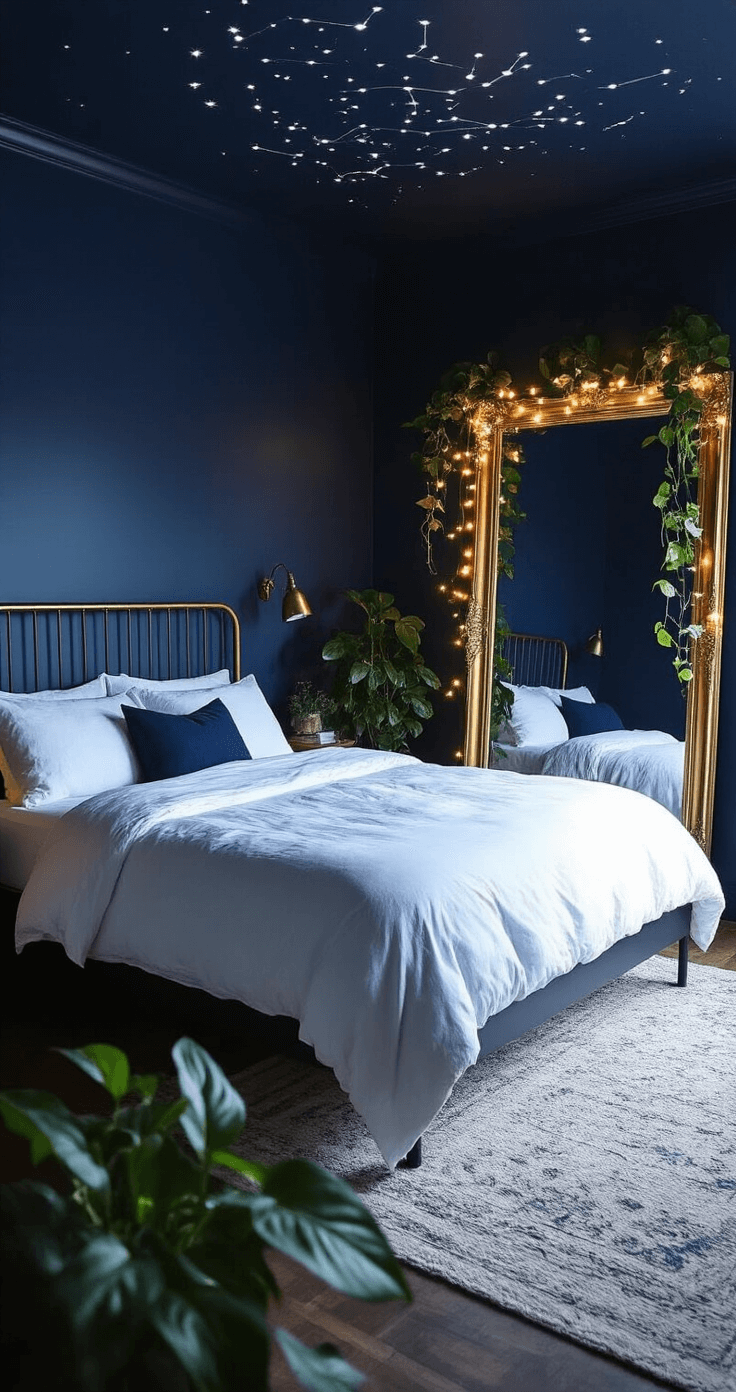
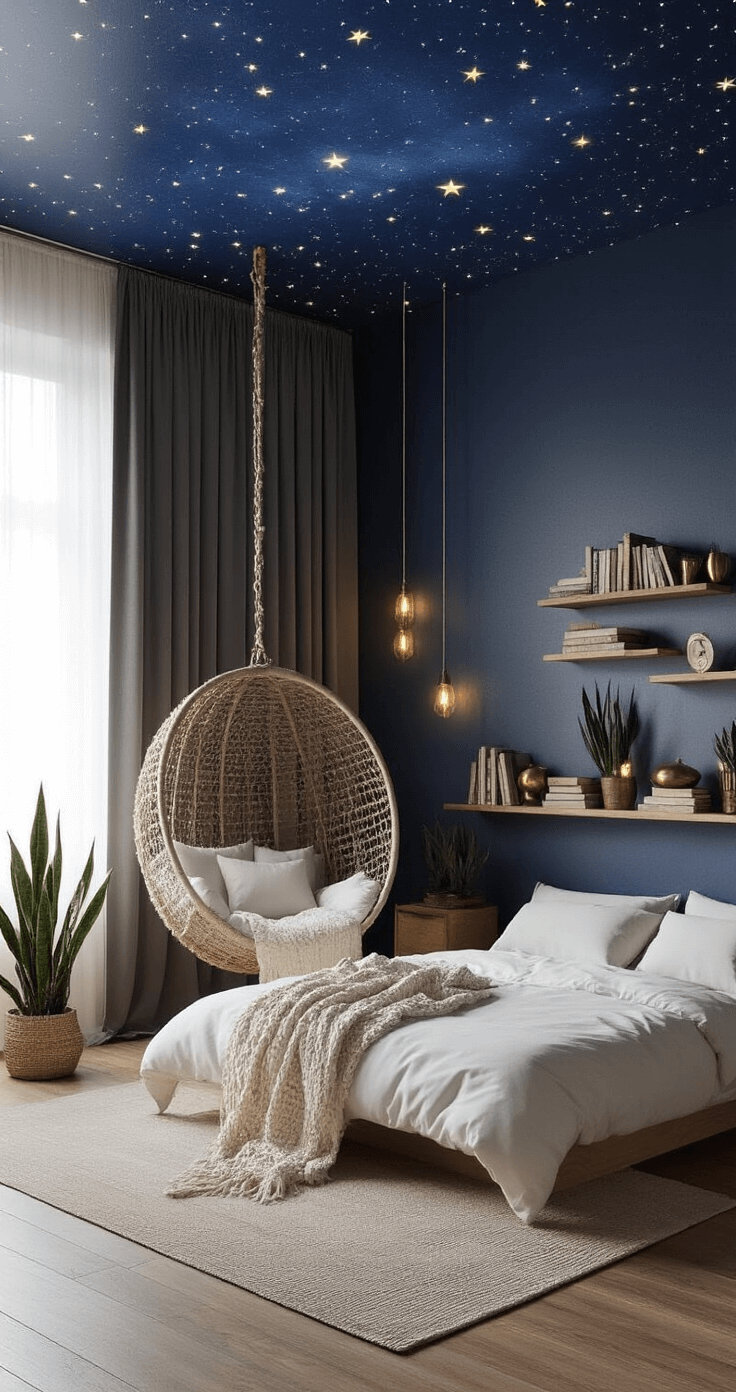
When I painted my 10×10 bedroom in deep navy blue, something incredible happened—the walls seemed to dissolve into the darkness. You couldn’t see where the room ended anymore. The boundaries became fuzzy and mysterious, like walking into a secret library at midnight.
Deep, enveloping colors create what designers call “atmospheric depth.” Your eye can’t find the edges easily, so the brain stops trying to measure the space.
How to Pull This Off Without Creating a Cave
- Paint everything the same color—walls, trim, ceiling, baseboards, the works
- Skip the white ceiling (that’s what makes rooms feel like shoeboxes with lids)
- Choose rich tones: navy, forest green, burgundy, charcoal, or deep plum
- Use high-quality paint with a slight sheen (more on this later)
The trick is eliminating those harsh lines that scream “HERE’S WHERE THE WALL MEETS THE CEILING.” Those lines are what make small rooms feel claustrophobic.
Turn Your Ceiling Into the Sky
The ceiling is the most ignored opportunity in small room design. I learned this when I stayed at a boutique hotel where they’d painted clouds across the ceiling.
Lying in that bed felt like sleeping outdoors. The room was maybe 120 square feet, but it felt limitless.
Your ceiling is prime real estate for creating magic.
- Cloud murals that blend into wall color at the edges
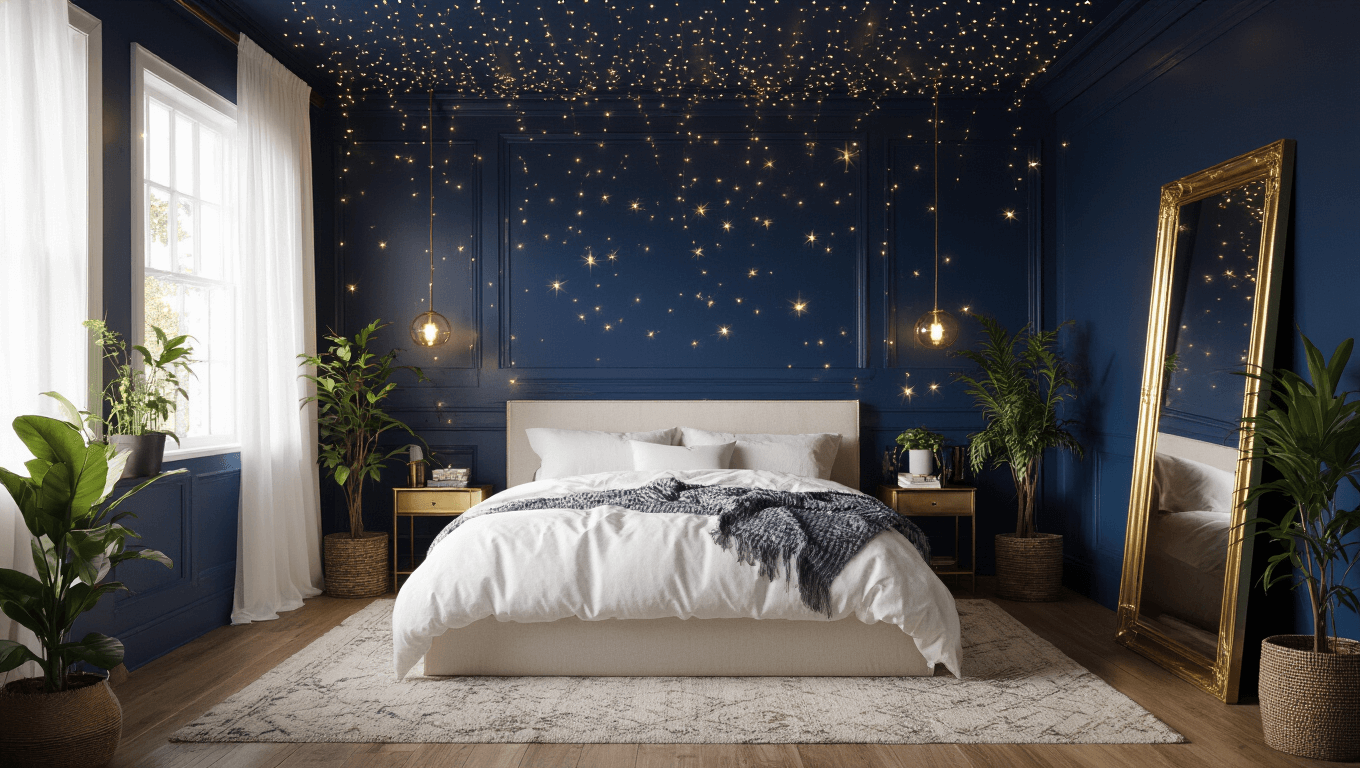
- Deep midnight blue with tiny LED stars (string lights for starry effect)
- Glossy or metallic paint that reflects light during the day
- Wallpaper with celestial patterns applied to ceiling only
I used glow-in-the-dark paint dots in my nephew’s room to create constellations. At bedtime, the kid feels like he’s camping under actual stars. Cost me twenty bucks and two hours.
Mirrors: Your Secret Weapon for Bending Reality
Every small magical room I’ve ever seen uses mirrors like a magician uses misdirection.
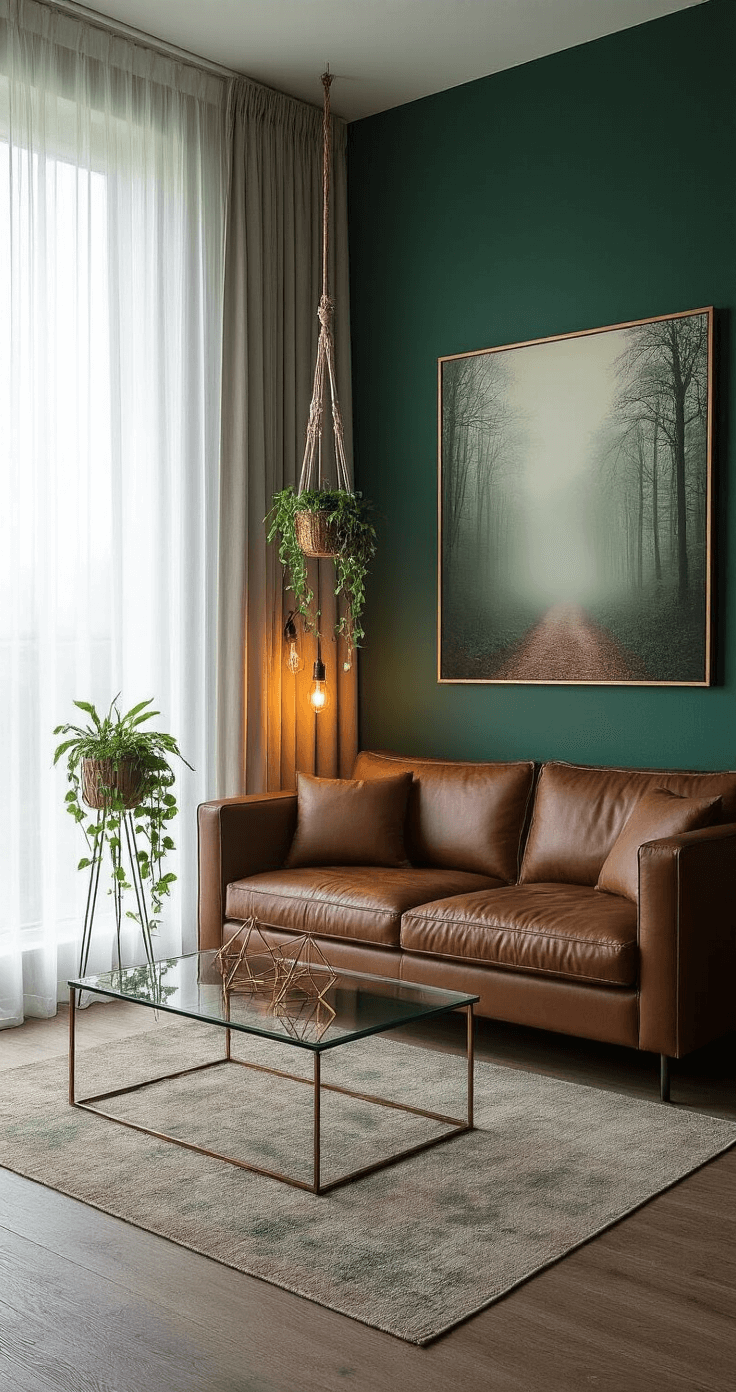
Place a large mirror opposite your window, and suddenly you’ve got two windows. Your brain sees that reflected light and space, and the room genuinely feels twice as large.
I positioned an oversized floor mirror at an angle in my bedroom corner. Now instead of seeing a cramped corner, I see an entire additional room stretching into infinity.
Strategic mirror placement that actually works:
- Opposite windows to double natural light
- Behind light sources to amplify them
- At the end of narrow spaces to create fake depth
- Leaning against walls rather than hanging (feels more intentional, less desperate)
Don’t stop at mirrors though.
Pile on the reflective surfaces:
- Lacquered furniture in dark, glossy finishes
- Metallic picture frames
- Glass table tops
- Glazed ceramic accessories
- High-gloss ceiling paint (game-changer)
My coffee table is glass, my dresser has a lacquered finish, and I’ve got three vintage brass frames catching light. The room sparkles like there’s a disco ball hidden somewhere.
Create Windows to Other Worlds
This is where things get properly magical.
You can’t knock down walls in a rental, but you can paint them.
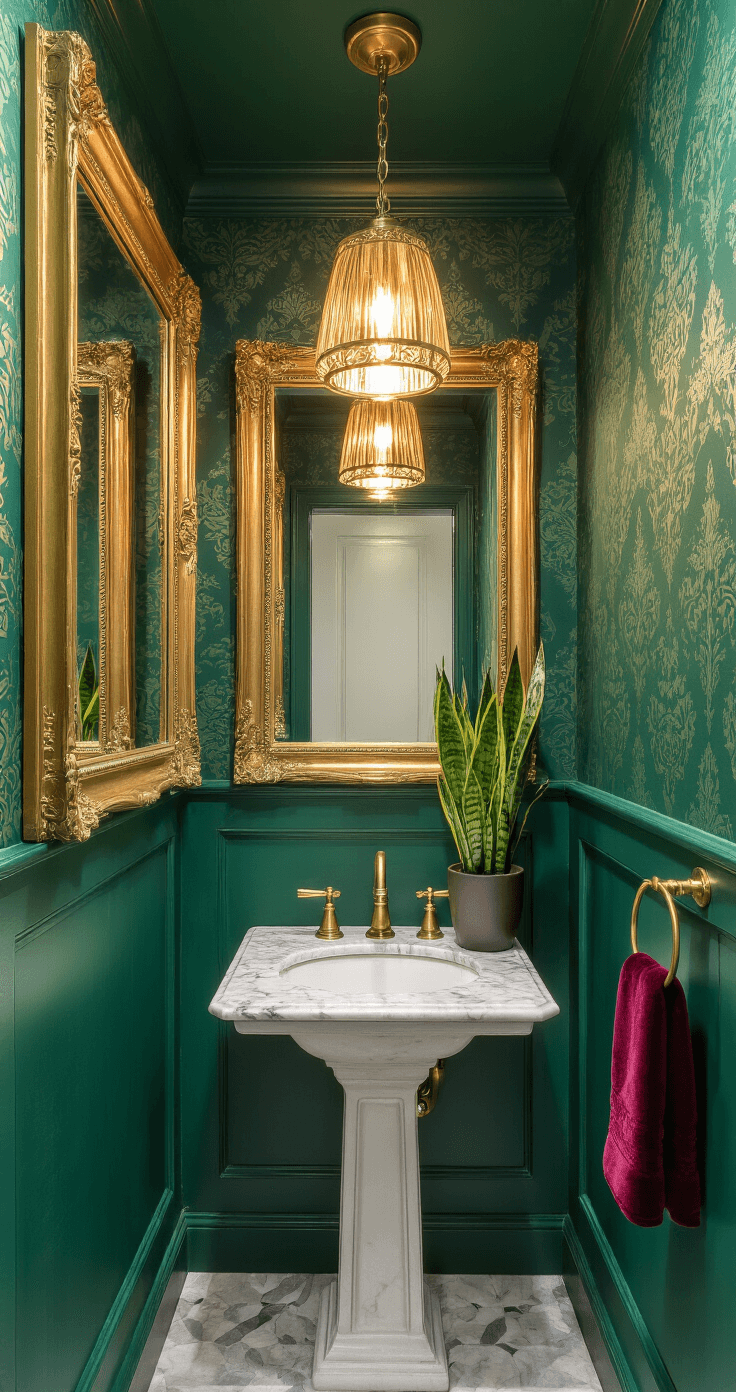
I hung an enormous landscape canvas print of a misty forest path—something with genuine depth and perspective. When you glance at it from your peripheral vision, your brain treats it like an actual window into another space.
The best “windows” for small rooms:
- Oversized seascape or landscape photography (minimum 3×4 feet)
- Forest path images that draw the eye deep into the distance
- Architectural photos of grand spaces (I’ve seen doorways to Italian courtyards that blow minds)
- Vintage world maps covering entire walls
- Wallpaper murals with perspective (library bookshelves, garden gates, mountain vistas)
The trick is going BIG. A tiny painting just looks like a tiny painting. A massive image becomes architecture.
Draw Every Eye Upward
Most people arrange everything in small rooms at waist level and wonder why it feels cramped.
You need to fight gravity.
When I installed floor-to-ceiling curtains mounted at the ceiling line, my room grew six inches taller overnight. Not actually, obviously, but that’s how it felt.
The curtains drew every visitor’s gaze upward, and suddenly everyone